
Pendant Lighting Above Kitchen Islands: A Complete Guide
Intro
When it comes to kitchens, the island is often the heart of the home—a multifunctional space that serves as a gathering place, a cooking area, and a spot for quick meals. Pendant lighting above the kitchen island can elevate this central feature, marrying function with style. In this comprehensive guide, we will explore various styles, sizes, and placement strategies of pendant lighting suited for kitchen islands, helping you craft a space that is both practical and visually appealing. If you've ever gazed longingly at beautifully lit kitchen islands in magazines or online, or simply felt that your own needs a bit of a glow-up, read on.
Effective lighting can transform not just the functionality of your kitchen, but also its mood. Selecting the right pendant lights enhances the ambiance and utility, making it a vital consideration for homeowners and design enthusiasts alike. We aim to unpack the key points to understand how these fixtures bring together the aesthetic and practical needs of modern kitchens. Prepare to get inspired!
Preface to Pendant Lighting and Its Significance
When it comes to kitchen design, pendant lighting carries a weighty significance that transcends mere function. For many homeowners and design enthusiasts, the kitchen is often viewed as the heart of the home, where both nourishment and camaraderie are fostered. As more than just a workspace, it's a stage for social interactions, culinary experiments, and family gatherings. Pendant lights, therefore, play a vital role in creating an atmosphere that is both inviting and practical.
Defining Pendant Lighting
Pendant lighting refers to fixtures that hang from the ceiling, typically suspended by a chain, cord, or rod. These lights usually feature a single bulb encased within a decorative element, often designed to complement the overall decor. Unlike traditional ceiling fixtures that might spread light broadly, pendant lights focus illumination on specific areas, enhancing the functionality of tasks being performed below. Their varied styles—from sleek modern designs to ornate vintage pieces—allow them to serve not only as light sources but also as integral components of a room's aesthetic narrative.
Role of Pendant Lighting in Kitchen Design
In the context of kitchen islands, pendant lighting serves multiple purposes, exploring both aesthetics and practicality. Firstly, they draw attention to the island, often serving as a focal point in an otherwise open space. The visual weight and style of the pendant can harmonize with cabinet finishes or counter materials, tying together the overall design theme.
Moreover, well-placed pendant lights can contribute significantly to the functionality of a kitchen. For example, they can provide targeted lighting for food prep, cooking, or even dining. Yet, it's not simply about utility; the right design can set the mood and tone of the space. Soft, warm light can create a cozy atmosphere, while brighter, cooler tones can foster an energized vibe, making pendant lighting a versatile tool in the designer's arsenal.
The importance of understanding the nuances of pendant lighting above kitchen islands sets the stage for deeper exploration into the various styles available, selection considerations, and placement strategies, all of which will be discussed in the following sections.
Exploring Different Styles of Pendant Lighting
Pendant lighting is a staple in modern kitchens, particularly above islands, where it not only provides essential functionality but also adds character. When homeowners explore various styles of pendant lighting, they encounter a plethora of options that can dramatically influence the atmosphere and aesthetics of a space. Understanding different styles is crucial because it empowers individuals to make choices that resonate with their personal tastes while aligning with the overall kitchen design.
Each style of pendant lighting brings unique elements to the table, and these can range from sleek and minimalistic to intricate and ornate. A well-selected pendant can serve as a focal point or blend seamlessly into the background, depending on the desired effect. It's beneficial to consider your kitchen's theme, colors, and materials when choosing pendant lighting, as this will enhance both functionality and visual appeal.
Additionally, exploring these styles lends insight into trends and innovations that reflect the changing tastes of homeowners. A well-rounded understanding aids in making informed decisions, ensuring that the chosen lighting complements not just the island but the entire kitchen environment.
Contemporary Pendant Lighting
Contemporary pendant lights often feature clean lines and are designed with simplicity in mind. This style prioritizes function without sacrificing elegance. Materials such as glass, metal, and even plastics are common, offering varied finishes like brushed nickel or matte black. Such versatility makes contemporary pendant lights adaptable to different kitchen designs, from ultra-modern to transitional spaces.
The beauty of contemporary lighting lies in its ability to accentuate other design elements. For instance, a sleek glass pendant over a kitchen island can reflect the colors and shapes of surrounding decor, creating a cohesive look.
- Forms: These can range from drum shapes to geometric silhouettes.
- Sizing: Generally, larger pendants are favored for expansive islands, while smaller fixtures can enhance intimate settings.
- Bulb Types: LED options are popular for their energy efficiency and longevity, supporting the contemporary design ethos of sustainability and functionality.
Industrial Styles
Industrial pendant lighting screams character and urban charm. Typically inspired by warehouses and factories, this style often features raw materials such as metal shades and exposed bulbs. The rugged aesthetics can add a touch of edginess to any kitchen, providing a striking contrast against smooth cabinetry or polished countertops.
Incorporating industrial fixtures means embracing imperfections. Dents, scratches, and variations in finish are not just acceptable but celebrated. This approach creates a sense of authenticity, making the space feel lived-in and unique.
Common elements of industrial pendant lights include:
- Metal Finishes: Often in galvanized steel, brass, or copper.
- Bulb Styles: Vintage Edison bulbs are particularly popular in this category, adding warmth to the industrial vibe.
- Versatile Shapes: From domed to cage designs, they provide flexibility in matching the overall kitchen decor.
Rustic and Farmhouse Designs
Rustic and farmhouse-style pendant lighting brings warmth and charm reminiscent of cozy country kitchens. These fixtures often showcase natural materials, such as wood or wrought iron, melding traditional craftsmanship with modern influence. The goal is to evoke comfort, making the kitchen a welcoming space.
This style often employs a vintage approach, where lantern-like designs complement open shelving and farm-style sinks. When considering rustic pendants, it's important to align with other elements in the kitchen—think shiplap walls or reclaimed wood flooring.
Key characteristics include:
- Material Choices: Natural wood, burlap, and wrought iron dominate.
- Warm Lighting: Soft, diffused lighting helps create that welcoming aura.
- Unique Designs: Look for fixtures that feature exposed bulbs or distressed finishes that enhance character.
Classic and Vintage Options
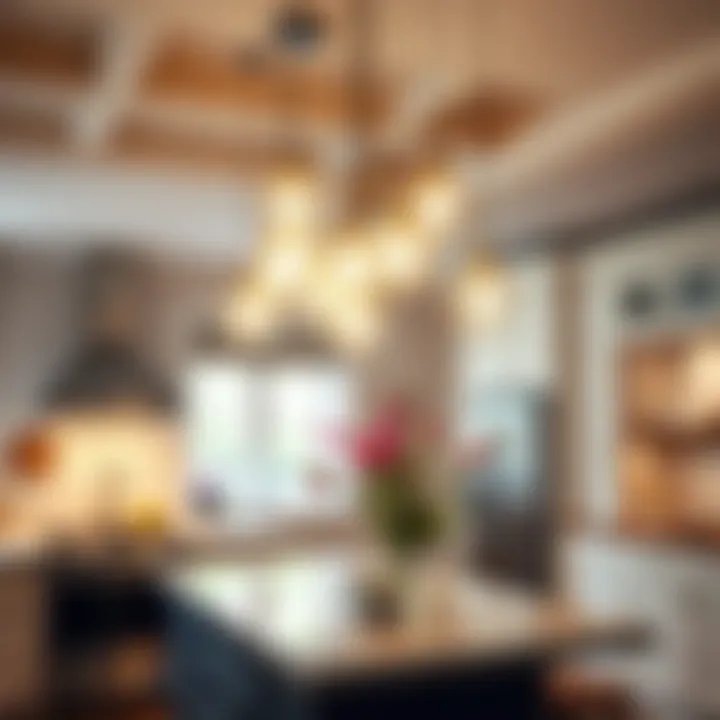
Classic and vintage pendant lighting carries an air of elegance, often characterized by intricate design and romantic details. These fixtures can transport one to a different era, bringing a sense of history and nostalgia to contemporary spaces. Whether it’s an ornate crystal chandelier or a more subdued fixture with vintage patina, the impact can be profound.
Such styles can serve as a statement piece, drawing attention and admiration. This eclectic approach allows for blending old-world charm with modern kitchen elements, creating a unique juxtaposition.
When selecting classic or vintage pendants, consider the following:
- Detailing: Look for filigree work, crystal embellishments, or unique glass shapes.
- Compatibility: Ensure they resonate with modern appliances and finishes in the kitchen to avoid a clash of styles.
- Lighting Effects: These options often focus on ambiance, employing softer bulbs that create a warm glow, perfect for evening gatherings.
By thoughtfully exploring these diverse styles, homeowners can customize their kitchen islands in ways that reflect personal style while ensuring the spaces are functional and visually appealing. Selecting the right pendant lighting is ultimately about finding a balance between style and purpose, creating a harmonious atmosphere that delights the senses.
Selecting the Right Size and Scale
Choosing the perfect pendant lighting for a kitchen island hinges significantly on understanding size and scale. This aspect can elevate a simplistic kitchen design into a well-thought-out space, creating an illusion of balance and harmony. If you pick the wrong size pendant, the lighting can become either an overwhelming presence that dwarfs the island or too minuscule to make an impact. This article section will clarify the elements crucial for achieving that ideal illumination above your kitchen island.
Understanding Scale in Design
Scale plays a pivotal role in harmonizing the space, where the dimensions of the pendant light should not just relate to the island but also to the overall kitchen environment. Picture a compact kitchen island bedecked with oversized pendant lights; it may look like a scene from a surreal art exhibit—a jarring sight. Instead, striking a balance means recognizing that a round island might complement a spherical light fixture, while a rectangular island could work best with linear designs.
- Visual Weight: Larger rooms can handle bigger fixtures without feeling cramped, while smaller kitchens will benefit from more delicate shapes.
- Proportion: The pendant’s size in relation to the island needs careful consideration. A common guideline is to ensure the diameter of circular pendants should be about one-third the width of the island.
- Room Height: The scale should also account for room height; in spaces with soaring ceilings, longer or larger fixtures often exude an aura of elegance.
Height Considerations for Pendant Lights
The correct height for pendants above your kitchen island is often overlooked but deeply important. Hanging too low can hinder sight lines and create a claustrophobic feel, while fixtures mounted too high might fail to provide proper lighting. Here are some factors to determine the ideal height:
- Standard Height: A good rule of thumb is to hang pendants approximately 28 to 34 inches above the surface of the kitchen island, ensuring they illuminate the workspace.
- Considering Users: Bear in mind how the kitchen is utilized. If you're a regular home cook or host dinners, ensuring adequate clearance for taller guests or your kitchen gadgets is key.
- Adjustable Fixtures: Think about investing in adjustable pendant lights that allow you to tailor the height to your needs and activities.
Number of Pendants Over the Island
When it comes to the number of pendants, more is often better, but moderation is essential. An overcrowded island can feel chaotic rather than inviting. Here’s how to organize the arrangement effectively:
- Spacing: Aim for at least 24 to 30 inches between each pendant, ensuring enough light and complementing space for easy movements.
- Visual Cohesion: Generally, for islands less than 6 feet long, two pendants create a balanced look. For longer islands, three or more may be the way to go, but be cautious—clutter can detract from functionality.
- Style Consistency: Stick with similar styles and heights so they don’t clash. An eclectic mix can work if the intent is to serve up a more bohemian vibe, but harmony often triumphs in contemporary designs.
"The key to pendant lights is to measure twice, hang once. The dimensions truly make or break the aesthetic."
In summary, selecting the right size and scale for pendant lighting above kitchen islands is a combination of understanding the spatial dynamics of your kitchen, practical considerations to enhance usability, and an eye for design aesthetics that lead to a cozy yet elegant atmosphere. By thoughtfully navigating these elements, you can create a space that truly reflects both form and function.
Placement Strategies for Pendant Lighting
Choosing the right placement strategies for pendant lighting is crucial to achieving a harmonious design that enhances the utility and atmosphere of your kitchen space. This section will explore key considerations you must keep in mind when positioning pendant lights above your kitchen island, ensuring they serve both functional and aesthetic purposes. An effectively placed pendant can unify the space, provide task lighting, and serve as a statement piece in your kitchen.
Aligning with Kitchen Island Dimensions
When selecting where to hang your pendant lights, aligning with the dimensions of your kitchen island is essential. A common mistake is either downplaying or exaggerating the scale of the lighting in relation to the island. Ideally, the width and length of the island should dictate the number and size of the pendant lights. For instance,
- Measure the Width: If your island is wider, consider using multiple pendants to distribute light evenly across the surface.
- Length Coordination: Longer islands can benefit from elongated pendants or a series of smaller ones spaced evenly apart.
Here's a rule of thumb: for islands that are 3 to 4 feet wide, one to two pendant lights can suffice, while islands of 5 feet or more might look better with three or four fixtures. This helps avoid a cluttered look and maintains visual balance, thus ensuring the pendants complement rather than overshadow the island's features.
Symmetrical vs. Asymmetrical Arrangements
The arrangement of pendant lights can significantly affect the overall feel of your kitchen. Symmetrical arrangements tend to create a sense of order, which works well in traditional or formal designs. If your pendants are all of the same size and style, align them evenly across the island, ensuring they hang at consistent heights. This not only looks polished but also provides uniform lighting across the space.
On the other hand, asymmetrical arrangements can add a modern twist to your kitchen. Mixing different sized pendants—perhaps a large statement light amidst smaller accents—can create visual intrigue and reflect a more casual, bohemian style. Whichever arrangement you choose, consider the balance of light and how it interacts with other elements in the room.
Height Above Counter Considerations
Another critical aspect of pendant placement is the height at which the lights are hung above the counter. The standard guideline is to position pendants 28 to 34 inches above the counter or island surface. Yet, this can vary depending on your kitchen layout and usability.
- Consider User Height: If your household includes much taller individuals, you might want to adjust upward a few inches to avoid head bumps. Likewise, if the counter is lower, ensure the pendant is appropriately elevated to maintain a comfortable space for cooking and gathering.
- Lighting Effect: The height will also affect the quality of light. A pendant hung too low might create shadows, whereas too high might not deliver sufficient light for tasks.
Remember these tips as you think about your kitchen island and choose your pendants wisely. A well-thought-out placement strategy not only enhances the beauty of the space but also improves function, creating a welcoming atmosphere for family and friends.
Choosing the Right Light Bulbs
Choosing the right light bulbs for pendant lighting in your kitchen can seem trivial, yet it makes all the difference in creating a warm and inviting atmosphere. The kind of bulb you opt for affects not just your energy usage but also how the space feels during the day and night. It’s about finding the right balance between functionality and the esthetic touch that elevates your kitchen ambience.
Selecting the right bulb isn’t just a matter of picking the prettiest one; understanding the technical aspects goes a long way. Different bulbs cast different types of light, impacting everything from your cooking experience to the overall vibe of the kitchen. Here's a closer look at how the type of bulb plays a significant role in your chandelier's performance and look.
Types of Bulbs Compatible with Pendants
There’s a range of bulbs that can suit your pendant lighting, and knowing the options is half the battle. Here are some common types:
- LED Bulbs:
Long-lasting, energy-efficient, and available in various color temperatures. They are perfect for kitchen usage, as they provide bright illumination without consuming much power. - Incandescent Bulbs:
They have a warm glow and provide excellent color rendition but tend to be less energy-efficient and short-lived. - Halogen Bulbs:
These are a form of incandescent but a bit more efficient. They give off a crisp light that’s wonderful for task lighting in the kitchen. - CFL Bulbs:
Compact fluorescent lights are more energy-efficient than traditional bulbs and last longer. However, they may not provide the warm tone many homeowners desire in their kitchens. - Smart Bulbs:
For those who love tech, smart bulbs come with compatibility like dimming and color changing, switching the vibe of your space at the touch of a button.
Each bulb type has its pros and cons, and the choice often comes down to what you're trying to achieve in your kitchen space.
Understanding Lumens and Color Temperature
Understanding lumens and color temperature can feel like you're diving into the deep end of the lighting pool, but it’s quite essential for informed choices.
- Lumens:
This measures the brightness output of a light bulb. If you want your kitchen to be as bright as a Hollywood set, aim for bulbs with higher lumen counts. For instance, you might look for bulbs that produce around 800 lumens for decent illumination over your kitchen island. - Color Temperature:
This is measured in Kelvin (K) and affects the warmth or coolness of the light. A bulb rated at 2700K – 3000K gives a soft, yellow light that feels cozy, ideal for relaxing while a bulb rated at 4000K or higher leans towards a cooler, more blue-toned light, which is perfect for task-oriented areas.
Correctly selecting the right lumens and temperature helps in not only lighting efficiency but also enhances the kitchen's appearance.
"Lighting is like the foundation of a house; if it’s not stable, the rest will falter.”
When you take the time to blend the right type of light bulb with the appropriate lumens and color temperature, you're well on your way to crafting a kitchen that’s both lively and comforting. Each of these factors contributes to creating a fresh and inviting atmosphere that turns your kitchen into the heart of your home.
Integration with Other Lighting Sources
When it comes to pendant lighting above kitchen islands, one aspect that often slips under the radar is its integration with other lighting sources. In a kitchen, where different tasks take place and where ambiance plays a big role, ensuring that pendant lights work harmoniously with other light fixtures can make all the difference. Think of it as a symphony where each type of light contributes to a beautiful melody.
Layered Lighting Concepts
Layered lighting is like building a cake, with various layers adding to the overall flavor and presentation. By combining ambient, task, and accent lighting, you create a well-lit kitchen that is functional and inviting. Ambient lighting provides the general illumination, setting the mood for the entire space. This is typically achieved through ceiling-mounted fixtures or recessed lighting.
Task lighting, on the other hand, focuses on specific areas where detailed work occurs—like chopping vegetables or reading recipes. Pendant lights above the island can double as task lighting, illuminating that all-important workspace. When paired with under-cabinet lights or pot lights, the overall effect is striking: a kitchen that feels both safe and elegant.
Moreover, adding accent lighting can introduce dynamic elements to your design. Using pendant lights in conjunction with strip lighting around cabinets or behind the backsplash creates an appealing contrast, ensuring visual depth. The secret lies in finding the right balance, where each layer complements the others.
Complementary Lighting Options
Selecting complementary lighting options is about creating a cohesive look while enhancing the functionality of your kitchen. Pendant lights shouldn’t stand in isolation; they need to mesh well with other light sources to build a complete lighting scheme.
- Recessed Lights: These can provide an even spread of light, which can nicely match the directional lighting of your pendant fixtures. They keep the kitchen illuminated without overwhelming the space.
- Under-Cabinet Lighting: These lights are a charming touch that enhances the work surface underneath the cabinets. This functionality works great alongside pendant lights, ensuring that every corner of your kitchen shines.
- Sconces: Wall-mounted sconces near your kitchen island can offer extra light and layer in a charming style that’s hard to beat. They can also draw attention to particular design features, enriching the overall aesthetic.
Finding complementary styles is crucial too. For instance, if your pendant light boasts a modern geometric shape, sticking to sleek and simple fixtures for overhead or task lighting mimics that modern vibe.
Design Trends Influencing Pendant Lighting Choices
In today's rapidly shifting world of home design, staying aware of trending elements in pendant lighting is critical for creating a harmonious kitchen environment. These trends not only reflect aesthetic preferences, but they also promote functionality and sustainability, showing that good design can serve both beauty and utility. Homeowners and enthusiasts alike benefit from understanding how these trends can transform kitchen islands into statement pieces while enhancing the overall ambiance and practicality of the space.
Eco-Friendly Lighting Solutions
The push towards eco-friendly lighting is not just a passing fad; it's a movement that aligns design with sustainability. Energy-efficient bulbs are now more popular than ever, with options like LED and CFL making huge strides in energy conservation.
When considering pendant lighting, it's crucial to opt for fixtures that accommodate these energy-efficient bulbs. This ensures lower electricity bills and a reduced carbon footprint — a win-win for both your wallet and the planet. Beyond just the bulbs, look for pendants made from sustainable materials like recycled glass or responsibly sourced wood. Incorporating these elements can fail to reflect personal values while remaining stylish.
"Using eco-friendly lighting options is an investment in the future: it brightens your home without dimming our planet's glow."
The benefits of these choices extend into the realm of aesthetics as well. Eco-friendly lighting solutions don’t sacrifice style; instead, they often embrace minimalist designs that favor clean lines and natural finishes. These can enhance any kitchen, especially if the space is adorned with other organic elements, such as potted plants or bamboo accents.
Technological Advancements in Lighting
Technological progress has played a pivotal role in transforming pendant lighting. Smart lighting solutions are becoming commonplace, allowing homeowners to customize their lighting experience with ease. Imagine controlling the brightness or color temperature of your pendant lights directly from your smartphone or even your voice assistant. This feature adds a fresh dimension to the kitchen, particularly for those who host gatherings or culinary events.
These advancements also include integrated dimming functions and timers, enabling homeowners to set the mood or conserve energy effortlessly. Furthermore, consider fixtures with built-in sensors that adjust light levels based on the time of day; this not only enhances energy efficiency but also contributes to a more adaptive living environment.
The interplay between style and smart functionality cannot be overstated. Modern pendant lights often combine artistic design with cutting-edge technology, allowing for a unique aesthetic that remains practical. The result is a balance of form and function, showcasing that these elements can coexist beautifully. As you explore options, look not only for good design but also for the potential that smart technology brings to your kitchen's ambiance.
In summary, keeping an eye on design trends in pendant lighting can significantly enhance your kitchen island. Prioritizing eco-friendly solutions and embracing technological advancements will ensure that your lighting choices are both stylish and efficient. By marrying aesthetics with responsibility and functionality, you're well on your way to creating a kitchen that not only shines but stands out.
Common Mistakes to Avoid

When it comes to pendant lighting, especially above kitchen islands, there are common pitfalls that can easily be sidestepped with just a bit of forethought. Understanding these mistakes not only helps in crafting a space that is both functional and visually pleasing, but it also ensures that the investment made in lighting pays off in terms of style and utility.
Overcrowding the Space with Pendants
One major mistake made when selecting pendant lights is overcrowding the space. It's tempting to think that more is always better, especially when you envision a stunning array of pendants cascading above your kitchen island. However, cramming too many fixtures can lead to a cluttered look that detracts from the overall design. This often results in a visually noisy environment where light becomes more of an eyesore than an asset.
To determine the right number of pendants, consider the size of your island and the scale of each pendant. A simple rule of thumb is to space them adequately to avoid overwhelming the area. Depending on the island's length, using two to three pendants can usually strike the right balance, keeping it chic and functional. Remember to leave some breathing room; each light should have its own presence without fighting for attention.
"Spacing matters. Too close and it's chaos, too far and it’s lonely. Find the sweet spot!"
Neglecting the Functionality Aspect
Another frequent oversight is neglecting the functionality aspect of pendant lighting. It’s essential to recognize that these lights serve a purpose beyond mere decoration. They should provide enough illumination for tasks performed on the kitchen island while complementing the ambient light already present in the space.
When choosing pendant lights, consider their height and brightness. Lights hung too high may leave your kitchen island in the shadows, while low-hanging fixtures might obstruct views or become unwieldy, particularly in spaces with taller ceilings. Also, the type of bulbs used can significantly affect how usable the space is. Bright, task-oriented bulbs can help with food preparation and cooking, while softer hues can create a warm atmosphere for dinner parties.
In essence, the marriage of aesthetics and practicality is crucial. Strike that balance by selecting pendants that not only enhance the style but also provide sufficient light to make everyday tasks manageable and efficient.
Maintenance and Upkeep of Pendant Lighting
When it comes to enhancing the charm of your kitchen, pendant lighting plays an irreplaceable role. However, it's not just about selecting the right fixtures; proper maintenance and upkeep are vital to ensure these fixtures continue to shine brightly and contribute to the overall aesthetic of the space. Regular care can extend the life of your pendant lights while keeping them looking as good as new, which is important for both functionality and design coherence.
The intricacies of maintenance go beyond mere aesthetics. Dust and grease can accumulate over time, dulling the brightness of your chosen bulbs and potentially leading to heat issues if a fixture becomes too dirty. As such, it’s crucial to stay on top of cleaning and replacing components as needed, keeping both safety and style in mind. The benefits of regular maintenance are manifold; it not only enhances the longevity of your lighting but also creates a pleasant atmosphere in your kitchen, allowing you to entertain guests without feeling embarrassed about dim or dirty fixtures.
Cleaning and Care Tips
Keeping your pendant lights clean is essential for maintaining both their function and appearance. Here are some straightforward tips to ensure your fixtures stay sparkling:
- Regular Dusting: A simple dusting every week can make a big difference. Use a soft, dry cloth or duster to gently wipe down the shades, especially if they’re glass. For those who have more intricate designs, like metal filigree, consider a small, soft brush to reach those tricky spots.
- Appropriate Cleaning Solutions: For tougher stains or grease, a mild soap and water solution often works wonders. Avoid harsh chemicals that could strip the finish off your fixtures. Instead, opt for natural cleaners that lift grime without damage.
- Gentle Handling: When cleaning your pendants, be sure to power off the electrical supply and allow bulbs to cool down to avoid burns. Handle glass shades carefully to prevent chips or cracks.
- Check for Bulb Support: While you're up there cleaning, check the bulbs and their fixtures. Make sure everything is tightly secured to avoid any accidents in the future.
Keeping your lighting clean not only enhances their beauty but can also lead to improved light output, creating a more inviting ambiance in your kitchen.
When to Replace Bulbs
Understanding when to replace bulbs is just as important as cleanliness. Here are some indicators that help you gauge the right moment to make the switch:
- Flickering Lights: If your pendants start flickering, it's often a sign that the bulb is on its last legs. This can also indicate issues with wiring, so keep an eye out.
- Dimming Output: If you notice a significant decline in brightness, it might be time to swap out old bulbs for new ones. Older bulbs don’t emit light as effectively and can compromise the ambiance.
- Color Shift: When a bulb begins to produce an uneven or unusual color tone, it’s a signal that you should replace it. Not only can color shifts be unattractive, but they could also compromise the overall color design of your kitchen.
- Burned Out: This one’s obvious—when a bulb goes out completely, it’s time for a replacement. Keeping a few spare bulbs on hand can save you some hassle down the line.
By adhering to a regular cleaning schedule and knowing when to replace bulbs, homeowners can maintain the elegance and efficiency of their pendant lights. A little effort goes a long way in ensuring your kitchen remains a well-lit and inviting gathering spot.
Culmination: Making Your Choice
As we wrap up our exploration of pendant lighting above kitchen islands, it's essential to recognize that lighting doesn't merely serve a functional role; it crafts the very atmosphere of our spaces. The choices we make can transform a simple kitchen into a vibrant hub for family gatherings, an elegant dining venue, or a serene workspace. Understanding how to navigate this nuanced topic can ultimately elevate your kitchen's style and practicality.
When deciding on pendant lighting, consider specific elements like scale, style, and placement. For instance, the number of pendants hung, their respective heights, and the overall design aesthetic should remain aligned with the kitchen’s theme. Complacency in lighting choice can lead to an afterthought atmosphere rather than a thoughtfully lit area. As you engage with different concepts from modern, rustic, to industrial styles, reflect on how each piece mirrors your personality and design narrative. This ensures that each visit to your kitchen feels inviting and warm.
Benefits to deliberating thoughtfully:
- Enhanced Aesthetics: Through mindful selection, your kitchen becomes a cohesive artistic expression.
- Increased Functionality: Proper lighting improves visibility, making cooking and socializing more enjoyable.
- Personal Satisfaction: Choosing elements that resonate with you personally fosters a sense of pride in your home.
Being intentional about your lighting choices involves assessing aspects like bulb types, light hues, and even sustainability. Taking these factors into account allows you to create a space that not merely looks good but also feels good.
In closing, the decision to integrate pendant lighting into your kitchen island is significant. It's an embodiment of both style and function. By reflecting on the choices presented throughout this article, you can make informed decisions that resonate with your unique vision—creating not only a brightly lit kitchen but an inspired one.
Final Thoughts on Pendant Lighting
In the world of home design, pendant lighting reigns as a pivotal element, especially above kitchen islands. Think of it as the pièce de résistance that unites form and function. From the authenticity of the materials you select to the light bulbs that illuminate, each decision possesses the power to impact your home profoundly. Furthermore, integrating pendant lighting can add a sense of depth and context to your kitchen, making it both a gathering space and a canvas for personal creativity.
Whether you choose a sleek modern fixture or an artisanal handcrafted piece, your lighting will tell a story. Thus, let your kitchen shine not just with light but with the passion and love that you intertwine into these choices.
Encouraging Personal Expression in Lighting Choices
Lighting is not merely a necessity but an extension of one’s personal style. Each pendant light can serve as a focal point that sparks conversation and reflects who you are. Consider what you want your kitchen to communicate to guests or, more importantly, to yourself each day.
In the end, think beyond standard selections. Explore unique shapes, colors, and materials that resonate with your unique vibe. Don’t be afraid to mix and match; blending various styles can yield unexpectedly delightful results. Harness this opportunity to make bold statements or subtle whispers, depending on your mood and aesthetic preferences.
Embrace this chance to express individuality. Your kitchen—once merely a cooking space—can transform into an expressive canvas that showcases light, warmth, and personality.
"Learning what you like and how to combine your tastes with functional needs can bring not just illumination to spaces, but light to life."
Ultimately, pendant lighting above kitchen islands captures much more than the functional aspect of brightening the space. It unfolds into a broader narrative that intricately weaves in design, individuality, and joy.