Medium Bathroom Remodel Ideas for Stylish Transformations
Intro
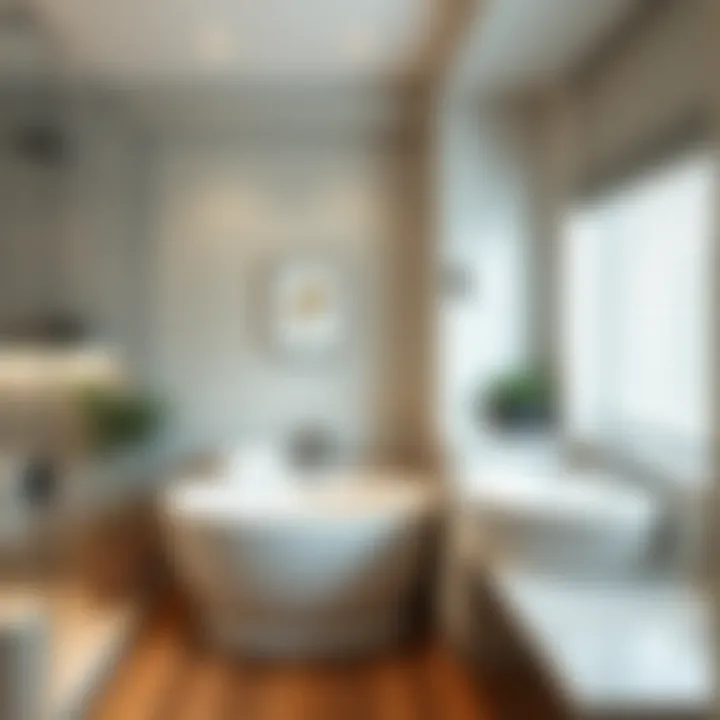
In recent years, bathrooms have transitioned from mere utilitarian spaces into personal sanctuaries that blend functionality with aesthetic grace. For homeowners looking to strike a balance between style and practicality, a medium bathroom remodel presents an exciting opportunity. It's not about tearing everything down; often, it’s the subtle, intentional changes that can lead to striking transformations. In this guide, we will explore a variety of medium-sized bathroom remodel ideas that cater to enhancing both the look and the utility of the space, creating environments that reflect individual tastes while being livable.
Design Inspiration
The essence of any successful bathroom remodel lies in its design inspiration. It’s where each choice—color, material, layout—comes together to narrate a story of both beauty and functionality.
Current Trends in Interior Design
Taking a look at current trends in the interior design sphere, we see a shift towards minimalism, sustainability, and a stronger connection to nature. For instance, the use of bold geometric patterns paired with natural textures can create a striking visual contrast. Many are gravitating towards earthy color palettes infused with splashes of deep blues or greens that evoke a sense of tranquility.
Moreover, fixtures and finishes that are both sleek and durable are gaining popularity. Consider matte black or brushed gold faucets that add a touch of sophistication and unexpected flair to your space. Technology is also making waves; think about mirrors that defog, light up, or even connect to your smart home system.
Color Schemes and Palette Ideas
An essential aspect of any remodel is the color scheme. The right colors can dramatically impact the perception of space, light, and mood. Here are some ideas to consider:
- Soothing Neutrals: Shades of beige, taupe, and soft grays are timeless choices that create a calm atmosphere. They also provide a perfect backdrop for vibrant accessories.
- Bold and Beautiful: If you have a penchant for drama, consider deep navy or emerald green. These can serve as an excellent focal point when used on an accent wall or in cabinetry.
- Nature-inspired: Incorporating soft greens and warm terracotta can bring the outside in, creating a refreshing vibe.
"The colors you choose can turn your bathroom from a basic necessity into your personal oasis."
Correcting the lighting can enhance your color choices even more. Consider warm LED lights that mimic natural daylight, ensuring colors appear vibrant yet soothing, especially during those early morning routines.
By combining intention with careful selection, a medium bathroom remodel can invite fresh perspectives not just into the space but also into your daily life. With thoughtful planning and execution, it is indeed possible to create a room that marries comfort with elegance, all while keeping functionality at the forefront.
Intro to Bathroom Remodeling
Embarking on a bathroom remodel can be a daunting task, but it also presents an opportunity to enhance both functionality and aesthetics in your home. This isn’t just about keeping up with trends; it’s about transforming a space that often serves as a personal retreat. Whether you're preparing for guests or enjoying your morning routine, a well-thought-out bathroom design can elevate your entire living experience.
A medium bathroom remodel strikes a balance between addressing your specific needs and reflecting personal style. It’s essential to approach this journey with clear intentions. Considering factors like layout efficiency, durable materials, and the harmony of colors can significantly impact the outcome of your remodel. Not to overlook, budget—understanding how to allocate funds wisely can minimize stress and enhance satisfaction.
Understanding the Scope of a Medium Bathroom Remodel
So, what exactly constitutes a medium bathroom remodel? Typically, this involves making substantial changes without completely gutting the space. Think new fixtures, modern tiles, and upgraded storage solutions; it's about strategically improving your existing setup.
You might want to consider the following elements:
- Layout Changes: Rearranging sinks, toilets, or showers for better flow.
- Fixture Upgrades: Transitional to contemporary finishes can elevate elegance.
- Storage Optimization: Bringing in built-ins or clever modular pieces ensures functionality without sacrificing style.
Understanding this scope allows you to visualize what’s practical or feasible. Let’s dive deeper into the specific objectives you might want to set for your remodel.
Identifying Key Objectives for Your Remodel
Before rushing into purchasing new fixtures or picking out paint colors, it's prudent to identify what you hope to achieve with your remodel. Ask yourself:
- What are your primary needs? Is it merely aesthetic or are you focusing on increased functionality?
- Who will use the space? Consider if it’s going to be a family bathroom or an ensuite. This can drastically influence design choices.
- How do you want the space to feel? Quiet and serene? Or vibrant and lively?
When determining your objectives, keep in mind:
- Functionality First: Make sure your everyday activities are supported by practical design.
- Aesthetic Cohesion: The new design should align with the overall decor of your home.
- Future-proofing: Think about anticipated needs, like aging in place or accommodating visitors, to keep your remodel relevant longer.
"A successful bathroom remodel not only addresses aesthetics but also ensures enduring functionality; it’s about designing a space that grows with you."
Through careful consideration of these objectives, you pave the way for a more intentional, satisfying remodeling experience—one that meets immediate needs while providing long-lasting enjoyment.
Practical Layout Considerations
When it comes to bathroom remodeling, layout can make or break the functionality and flow of the space. A well-planned layout not only enhances the aesthetic appeal but also maximizes utility, ensuring you can make the most of every square foot. The importance of practical layout considerations cannot be overstated; it dictates how the different elements work together to create a cohesive and efficient environment. Without a thoughtful layout, even the most stylish fixtures and finishes can fall flat.
In remodeling a medium-sized bathroom, you are often faced with limitations that require smart design solutions. This is particularly vital for older homes where existing plumbing may not lend itself to radical overhauls. Therefore, understanding the available space, user needs, and how to create zones of activity can play a crucial role in your overall satisfaction with the finished product.
Maximizing Space with Intelligent Design
Maximizing space in a medium bathroom often involves creativity and intelligence in design choices. Consider these elements:
- Vertical Storage: Use wall-mounted shelves and cabinets to draw the eye upwards, making the room feel taller while providing essential storage.
- Floating Vanities: A floating vanity creates the illusion of more floor space and can also add a modern touch to your bathroom.
- Glass Enclosures: Replace traditional shower curtains with glass doors to boost light flow and give the space an open feel.
Incorporate the principle of the "Golden Triangle"—the distance between the sink, toilet, and shower. This design strategy enhances efficiency, keeping the essentials within a comfortable reach. Thoughtful design also involves rethinking conventional layouts; for instance, placing the toilet in a more discreet manner can improve privacy without compromising space.
Flow and Functionality in Bathroom Layouts
Flow is the backbone of any bathroom layout, and it’s essential to keep the space harmonious. An efficiently laid out bathroom ensures ease of movement, allowing multiple users to navigate freely without bumping elbows. Here are a few tips:
- Avoid Cluttered Pathways: Keep movement zones clear, especially around the sink and shower areas.
- Zoning: Designate specific areas for bathing, grooming, and pampering. This clear demarcation helps each member of the household operate without disruption.
- Logical Placement of Fixtures: Toilets should not face the door directly, as this can create an uneasy feeling. A direct line of sight can be awkward for guests.
The goal is not to simply fill space but to guide occupants smoothly through their routines, whether that’s a morning rush or an evening unwind. Consider interactivity and accessibility for the different needs in the household—e.g., if kids or elder people are using the bathroom, ensure everything is easy to reach and functional.
"A bathroom should be a sanctuary, not just a functional space."
In summary, practical layout considerations are pivotal in a medium bathroom remodel. A well-thought-out design can elevate both the functionality and aesthetic appeal, making it a place to refresh and rejuvenate.
Choosing the Right Fixtures and Fittings
When it comes to transforming a medium bathroom, selecting the right fixtures and fittings stands as a pivotal decision. Fixtures play a crucial role in defining not just the aesthetic appeal, but also the comfort and functionality of your space. From the moment you step inside, the way a bathroom is equipped can either create an inviting atmosphere or leave one feeling cramped and unwelcoming.
Selecting Bathtubs and Showers
Choosing the right bathtub or shower can significantly alter the bathing experience. A well-selected shower can provide a refreshing start to the day, while a luxurious bathtub might be your sanctuary after a long day.
- Size Matters: Always consider the dimensions of your bathroom space. A larger tub offers relaxation, but if it hogs too much room, it could disrupt the flow. It’s like trying to fit a square peg in a round hole.
- Style Alignment: Opt for styles that resonate with the overall theme of your bathroom. If your aesthetic leans toward modern minimalism, go for sleek designs. On the contrary, if you’re chasing a vintage vibe, clawfoot tubs could be the ticket.
- Water Efficiency: Keep an eye on water-saving technology. Many modern showers come equipped with eco-friendly options that reduce water usage without sacrificing pressure. Every drop counts!
Keep in mind, the goal is to harmonize comfort and efficiency while ensuring each fixture works well together. Having each piece complement one another creates a cohesive look that is easy on the eyes.
Sinks and Toilets: Function Meets Style
Like the unsung hero of a bathroom, sinks and toilets might seem ordinary but they can be showstoppers when chosen wisely.
- Choose Wisely: When you look for a sink, remember that size is not the only thing to think about. Think about its shape! For larger bathrooms, a double sink can be a fantastic option, while sleek pedestal sinks can save space in tighter quarters.
- Toilet Tech: Nowadays, toilets have gone far beyond basic functionality. Smart toilets offer heated seats and even cleansing features. And who wouldn’t want that luxury? But even simple models can deliver style when they match the rest of your fixtures.
- Finishes and Colors: Matte black or brushed gold fixtures can elevate the look. However, ensure the colors resonate with the overall scheme. Too many contrasting colors might give an impression of chaos, rather than serenity.
In summary, choosing the right fixtures and fittings for your medium bathroom remodel is akin to assembling a jigsaw puzzle; every piece plays a role.
"A harmonious set of fixtures doesn’t just elevate your bathroom's style, it enhances the entire experience of using the space."
As with all remodeling elements, take your time to find options that not only look good but suit your needs to a tee. Explore resources such as Home & Garden or This Old House to get more insights on the latest trends and functional designs.
Storage Solutions for a Medium Bathroom
When it comes to remodeling a medium bathroom, effective storage solutions are nothing short of essential. Often, bathrooms can quickly transform into cluttered spaces where everyday items and personal products seem to multiply. Proper storage not only enhances function but also elevates the overall aesthetic of your bathroom, allowing for a more serene and organized environment.
The benefits of implementing thoughtful storage solutions are plentiful. First, they maximize your available space, making it easier to find what you need without wading through a sea of bathroom odds and ends. Second, a well-organized bathroom contributes significantly to a feeling of comfort and relaxation, ensuring that your personal sanctuary remains a graceful retreat. Additionally, having designated spaces for your bathroom essentials minimizes the likelihood of overwhelming clutter, allowing you to maintain a fresh look.
Incorporating Built-in Shelving
Built-in shelving proves to be an invaluable asset in medium bathrooms. Instead of sacrificing precious floor space with bulky furniture, consider utilizing vertical wall space. Custom-built shelves can house everything from towels to toiletries, and the beauty of built-in options is that they can be designed to match the existing decor. The shelves can be creatively positioned above a toilet or alongside a vanity to smartly utilize areas that might typically go unnoticed.
Moreover, these shelves can serve a dual purpose. For example, consider using open shelving for decor items or plants that add a personal touch while still offering functionality. Opting for glass or mirrored shelves can further enhance the visual effect, making the space feel larger and more airy. If you're looking for inspiration, platforms like Pinterest or design forums can offer countless examples of successful built-in shelving layouts that emphasize both style and practicality.
Smart Use of Cabinets and Drawers
When it comes to cabinetry in medium bathrooms, the design and organization of cabinets and drawers can significantly impact how effectively you use the space. Instead of standard cabinetry, look for options that provide depth and a variety of compartment sizes. This will create designated areas for different items, such as a drawer specifically for hair tools or a cabinet for cleaning supplies, so everything has its place.
Implementing pull-out shelves or drawers can be especially smart. This feature allows you easy access to stored items without having to bend down or reach into dark corners of a cabinet. Consider incorporating soft-close mechanisms within drawers to eliminate that loud bang when closing — it’s a simple touch that enhances durability and contributes to a serene atmosphere.
For those who enjoy a pop of color or texture, cabinetry can be painted or adorned with stylish handles, turning functional pieces into impactful features of your bathroom design. Think about materials that resist moisture but still exude elegance, like water-resistant laminate or natural wood treated for humid conditions.
Ultimately, effective storage in your medium bathroom requires a thoughtful approach, combining functionality with an eye for aesthetics. By incorporating built-in shelving and optimizing cabinets and drawers, you are not only solving space challenges but also ensuring that your bathroom becomes a well-ordered retreat, embodying both order and style.
Efficient storage solutions can significantly enhance the functionality and appearance of your medium bathroom, making every square inch count.
Color Schemes and Aesthetics
Color schemes and aesthetics play a pivotal role in the transformation of a medium bathroom. They influence the overall ambiance and mood of the space—no small feat when considering that bathrooms are often where people start and end their day. A well-thought-out color palette not only enhances beauty but also brings functionality and comfort.
When diving into a bathroom remodel, the aesthetic appeal shaped by colors can make a cramped space feel more open, warm, and inviting. Conversely, poor color choices can make a space feel unwelcoming or overcrowded. The right hues can even trick the eye into perceiving the room as larger than it actually is. Thus, understanding and implementing effective color theories helps in maximizing the potential of your remodel, creating a functional oasis.
Understanding Color Theory in Bathrooms
To navigate the maze of colors effectively, it’s essential to grasp some fundamental principles of color theory. Colors are categorized by their relations to one another on the color wheel. Here’s a simple breakdown of color categories:
- Primary Colors: Red, blue, and yellow.
- Secondary Colors: Green, orange, and purple (resulting from mixing primary colors).
- Tertiary Colors: Results from mixing a primary and a secondary color.
When renovating a bathroom, consider how colors evoke emotions. For instance:
- Blue is often associated with tranquility and can create a serene escape.
- Green brings nature indoors and conveys freshness.
- Warm colors such as yellows or reds can stimulate energy but may feel overwhelming in a small space.
Knowing how to layer these colors can also benefit the overall aesthetics. A common method is the 60-30-10 rule:
- 60% primary color (walls)
- 30% secondary color (fixtures, flooring)
- 10% accent color (decorative features)
This approach assures a well-balanced design.
Trendy Color Palettes for a Refreshing Look
As trends shift, so do color preferences in bathroom designs. Keeping your space fresh and modern often requires attention to trending color palettes. In the current design landscape, (subtle, muted tones) have gained popularity for their calming effect. Here are several trendy palettes to consider:
- Soft Neutrals: Combining white, cream, and light grays creates a clean, airy environment perfect for zen-like spaces.
- Earthy Tones: Rich browns paired with warm greens or terracotta tones instill a sense of warmth, making the bathroom feel more connected to nature.
- Pastel Hues: Light shades of blue, pink, or mint can evoke a relaxed and cheerful atmosphere without overwhelming the senses.
- Bold Contrasts: Think deep navy or forest green against crisp white tiles, a fantastic trick to achieve a touch of sophistication and edge.
The key is to choose a palette that resonates with your personal taste and the intended feel of the bathroom, ensuring a cohesive aesthetic throughout.
"Color is the keyboard, the eyes are the harmonies, the soul is the piano with many strings." - Wladimir Nabokov
When embarking on this creative journey, allow for personal flair while keeping functionality at the forefront. Take into account existing elements in the bathroom, such as natural light, surrounding furnishings, and textures, as these influence how colors appear in different lighting conditions.
Flooring Choices: Practicality and Style
When considering a medium bathroom remodel, flooring might not seem like the first element on your list, yet it plays a crucial role in both functionality and aesthetics. The floor’s wear and tear from everyday use calls for materials that are not only visually appealing but also highly durable and water-resistant. Choosing the right flooring can transform the room, set the tone, and contribute to a comfortable atmosphere.
Key Considerations for Flooring
- Water Resistance: Bathrooms are naturally humid spaces, which makes it essential to choose flooring that can handle moisture without warping or deteriorating.
- Comfort: The feeling underfoot matters since you stand on the bathroom floor for various tasks. A soft, warm material can make a big difference, especially during cold mornings.
- Maintenance: Think about how much effort you want to put into upkeep. Some materials are stain-resistant and easy to clean, while others might require more extensive care.
In summary, flooring choices should balance practicality with style, ensuring both an eye-catching design and a long-lasting surface that withstands the demands of a bathroom environment.
Exploring Durable Materials
When selecting flooring for a medium bathroom, the options can be overwhelming. Knowing which materials offer durability without sacrificing elegance is integral to your remodel’s success. Here’s a closer look at some popular choices:
- Porcelain Tile: This is a favored option due to its durability and resistance to moisture. It comes in various styles, imitating everything from wood to natural stone. Its potential for slip resistance is also a plus.
- Vinyl: A budget-friendly choice, modern luxury vinyl can replicate the look of more expensive materials while being water-resistant. Moreover, its softer feel underfoot is more forgiving.
- Natural Stone: Beautiful but often costly, options like marble or granite need thoughtful installation and care to avoid issues with water absorption.
Ultimately, your choice of durable materials should reflect your bathroom's design goals and your lifestyle.
Vinyl, Tile, and Wood: Pros and Cons
Each flooring option presents its unique advantages and drawbacks. This makes it essential to weigh the pros and cons before making any final decisions.
Vinyl Flooring
Pros:
- Budget-friendly
- Easy to install
- Warm underfoot
- Water-resistant
- Available in countless designs
Cons:
- Can wear out faster in high-traffic areas
- Can be prone to scratching and denting
Tile Flooring
Pros:
- Extremely durable and long-lasting
- Water-resistant
- Extensive design options
- Easy to clean
Cons:
- Cold underfoot
- Installation can be labor-intensive
Wood Flooring
Pros:
- Warm and inviting aesthetic
- Can enhance a home’s resale value
- Various styles and finishes available
Cons:
- Susceptible to moisture damage
- More maintenance required compared to tile or vinyl
Taking these factors into account, you empower yourself to create a beautiful, functional bathroom that reflects both your personal style and everyday needs. Investing the time to select the right flooring pays off in the long run, enhancing your bathroom's value while ensuring a pleasant environment.
Lighting Techniques for Ambiance
When it comes to transforming a medium bathroom, lighting plays a starring role. Poorly lit spaces can feel cramped and uninviting, while a well-lit bathroom can elevate the experience of using the space. Not only does effective lighting improve functionality, but it also sets the mood, influencing how relaxing or energizing your restroom feels. Homeowners need to consider both natural and artificial sources of light to achieve this balance. Let's dive into each aspect!
Natural vs. Artificial Lighting
Natural light can work wonders in a bathroom, making the space feel open and airy. A well-placed window not only brings in daylight but also can enhance the overall aesthetic. For instance, a frosted glass window maintains privacy while still allowing soft light to filter through. Skylights are another fantastic option, especially in attics or areas where windows are scarce. However, relying solely on natural light isn’t always practical, especially on cloudy days or during winter months.
On the other hand, artificial lighting is essential for those who want consistent illumination. This is where various fixtures come into play. Options such as sconces or vanity lights can be installed strategically to brighten up shadowy corners or highlight features like decorative tiles. LED lights have become a popular choice, not just because they use less energy, but also because they come in adjustable hues, offering versatility in setting the desired atmosphere.
"Good lighting can turn an ordinary space into something extraordinary. Understanding both natural and artificial light sources is key to enhancing the beauty of your bathroom."
Layering Light for Functional and Aesthetic Balance
Layering different types of lighting is a smart strategy that provides both function and beauty. Think of it this way: ambient lighting shines down from overhead fixtures, task lighting is your focused highlights around mirrors or sinks, and accent lighting adds those final touches to create warmth and depth.
- Ambient Lighting: This serves as the foundation of your lighting plan. It ensures that the whole space is illuminated evenly. Ceiling fixtures, such as recessed lights or a decorative chandelier, can be your go-to options here. They offer a general glow to brighten the entire room.
- Task Lighting: Next, you have to consider practical lighting for everyday tasks like shaving or applying makeup. For this, wall sconces or pendant lights positioned near mirrors will provide direct light without creating harsh shadows. For bathrooms with double sinks, matching fixtures on either side can provide symmetry and functionality.
- Accent Lighting: Finally, sprinkle in some accents. Perhaps highlighting a feature wall with LED strip lighting or illuminating a unique tile pattern can draw the eye and create a striking visual effect. This is where creativity shines — you could use colored lights for a fun twist or for holiday decor.
By effectively layering light, you ensure that each area of your bathroom can serve its purpose while also contributing to an inviting ambiance. It’s that delicate balance between practicality and style that can finally turn what might feel like just another room into a personal sanctuary.
Accent Features to Elevate Design
When it comes to bathroom remodeling, accent features play a pivotal role in transforming the space into something that not only serves its intended purpose but also tells a story about your style and preferences. Incorporating unique elements that stand out can create focal points, enhancing both the visual appeal and functionality of the bathroom. It’s like adding that pinch of salt that completely changes the flavor of a dish. With the right accent features, you turn a plain area into an inviting sanctuary.
The benefits of accent features are multifold. For one, they can make a medium bathroom appear more spacious and luxurious, even if it’s on the smaller side. Decorative tiles, for example, can create depth and interest, while mirrors can reflect light and give a sense of openness. Moreover, these features allow you to express your personality and creativity in a space that often gets the axe in terms of design focus.
Considerations When Adding Accent Features
While it’s exciting to think about the possibilities, some considerations should be kept in mind:
- Balance and Proportion: Ensure that accent features don’t overwhelm the room. For instance, a massive mirror might steal the show but could make the rest of the space feel cramped.
- Cohesion: Pick elements that harmonize with the existing style of your bathroom. An ornate, vintage tile may not align well with a sleek, modern aesthetic.
- Functionality: Remember that these accents should enhance the usage of the space rather than complicate it. A beautiful but impractical feature can quickly turn from a design win to a headache.
Ultimately, embracing accent features offers a wonderful opportunity to elevate your bathroom without sacrificing practicality. Now, let’s delve deeper into some specific options that truly shine in the realm of medium bathroom remodels.
Incorporating Decorative Tiles
When it’s about giving a bathroom a fresh and compelling look, decorative tiles are a surefire way to go. Not just for the floors anymore, these tiles can be used as wall accents, within shower spaces, or even as borders around mirrors.
One particularly popular choice is a mosaic tile pattern. This approach allows you to play with colors and shapes, creating a unique design that catches the eye. Using patterned tiles as a backsplash behind a sink can draw attention and add a splash of creativity. Remember, it’s not just about aesthetics; it’s also about choosing the right tile material. Porcelain or ceramic tiles deliver not only beauty but also durability.
Some considerations for decorative tiles:
- Color Selection: Bright and bold tiles can invigorate a neutral room, while muted tones can provide an understated elegance.
- Placement: Use tiles strategically—think about placing them where they can be highlighted, like behind a freestanding tub or on an accent wall.
- Maintenance: Keep in mind that some tiles may require more upkeep, so factor that into your design decisions.
"Tiles can tell a story, revealing not just your design taste but also your lifestyle choices."
Using Mirrors to Enhance the Space
Mirrors are not mere reflections of reality; they are design tools that can drastically transform the perception of space. Placing a strategically sized mirror in your bathroom can create an illusion of depth that makes a medium-sized room feel larger and airier. Not to mention, they’re incredibly functional as well.
Consider different types of mirrors:
- Framed Mirrors: They can serve as a piece of art, providing character to your walls.
- Backlit Mirrors: These add a modern twist and can enhance visibility, perfect for those morning routines.
- Mirrored Cabinets: A two-for-one deal, providing storage and the reflective benefits all in one.
Not only do mirrors enhance visual space, but they also help with lighting. A mirror opposite a window can reflect daylight, brightening up even the gloomiest of days. When placing mirrors, keep the following in mind:
- Height: Ensure that the mirror is positioned at a height that suits all users in the household.
- Surroundings: Pairing mirrors with accent lighting can underscore the glamour and elegance of your bathroom.
In summary, combining decorative tiles and mirrors as accent features offers a nuanced approach to bathroom design. These elements work in tandem, transforming a functional space into a stylish sanctuary.
Sustainability in Bathroom Remodeling
The significance of sustainability in bathroom remodeling cannot be overstated. As concerns over environmental issues continue to escalate, homeowners are increasingly seeking ways to minimize their ecological footprint even in the most private spaces of their homes. By implementing sustainable practices, one can transform a medium bathroom not just into a visually appealing oasis, but also into an eco-friendly sanctuary.
When planning a remodel, being mindful of the materials, fixtures, and overall design decisions impacts more than just aesthetics. Sustainable remodeling reflects a conscientious approach that benefits both the homeowner and the planet. Here are a few specific elements to consider that underline the importance of sustainability:
- Energy Efficiency: Incorporating energy-efficient lighting and appliances reduces the total energy consumption of the space.
- Waste Reduction: Opting for durable materials can minimize waste, as they are less likely to require replacement over time.
- Resource Conservation: Eco-friendly fixtures conserve valuable water resources and support overall sustainability goals.
Ultimately, the push for sustainable bathroom remodels serves a dual purpose: enhancing the functionality and visual appeal of the space while simultaneously promoting environmental stewardship.
Eco-friendly Materials and Products
When it comes to selecting eco-friendly materials and products for a medium bathroom remodel, the options are as diverse as they are imperative. It’s essential to look for materials that are sourced responsibly, manufactured with less impact on the environment, and durable enough to withstand day-to-day use. Here are some standout choices:
- Bamboo: Known for its rapid growth, bamboo is a renewable resource that can be used for cabinetry and flooring. It's both stylish and sturdy.
- Recycled Glass: This offers a unique aesthetic, particularly for countertops and tiles. Recycled materials help reduce waste and add an artistic touch.
- Low-VOC Paints: These are essential for improving indoor air quality, as they emit fewer volatile organic compounds. Choosing low-VOC options is not only better for the environment but also health-conscious.
Utilizing these materials helps construct a bathroom that not only looks good but is also a testament to your commitment to sustainability.
Water-saving Fixtures and Technologies
Another integral aspect of sustainable remodeling is the incorporation of water-saving fixtures and technologies. The bathroom can often be a significant contributor to water waste; therefore, making conscious choices here can lead to meaningful reductions in consumption. Consider these options:
- Low-flow Toilets: These are designed to use significantly less water per flush, without compromising performance. They can drastically minimize water usage over time.
- Water-efficient Showerheads: Installing showerheads that restrict flow yet maintain pressure assists in conserving water while still providing a comfortable shower experience.
- Smart Technologies: Innovations like motion-sensor faucets and timers for showers can further enhance water-saving efforts, aligning technology with sustainable intent.
"By embracing water-saving technologies, homeowners don't just benefit their wallets but also contribute to a larger environmental cause."
As awareness grows about the need for sustainability in home improvement, the advantages become clear. A focus on environmentally friendly materials and water-conserving fixtures not only uplifts the aesthetics of a medium bathroom but also ensures it operates with greater efficiency. Citizens making small changes can indeed lead to big impacts.
Budgeting for Your Remodel
When it comes to embarking on a medium bathroom remodel, a well-thought-out budget is your cornerstone for success. Adequate budgeting ensures that you can achieve your desired transformation without facing financial pitfalls down the line. Understanding that remodeling isn't just about aesthetics but also about functionality makes establishing a budget essential.
A thoughtfully constructed budget allows you to prioritize aspects that matter most, whether that’s enhancing the style of your space or maximizing storage solutions. Without a financial plan, projects can easily spiral out of control, leaving homeowners feeling overwhelmed. With that in mind, let’s break down the essentials of budgeting.
Establishing Realistic Financial Goals
Setting financial goals that are both ambitious and achievable is crucial when planning a remodel. Homeowners should take a close look at their financials and ask themselves key questions:
- What is the total budget I am comfortable allocating to this project? This number should include not just materials and labor, but also a contingency fund—typically 10-20% of the overall budget.
- What are the specific features or changes I absolutely need versus what is simply nice to have? This helps clarify where to allocate funds for maximum impact.
- Are there financing options available, such as a home equity line of credit, if needed? Knowing what pathways exist can alleviate stress.
Establishing a solid budget may require tough decisions, but it’s a guiding light to keep the remodel on track. Think of it like a road map; without it, you risk getting lost in the details.
Allocating Funds for Key Areas
In any bathroom remodel, certain areas demand a larger portion of the budget. Understanding where to allocate funds can help attain that balance between functionality and aesthetics:
- Fixtures: Allocate a sufficient budget for essential items like faucets, lighting, and toilets. Investing in high-quality fixtures can save you from frequent replacements.
- Cabinetry and Storage Solutions: Custom cabinetry might seem pricier upfront, but it adds long-term value and functionality. Consider what’s necessary to effectively store items while maintaining visual appeal.
- Flooring and Wall Treatments: Durable options like porcelain or natural stone tiles might carry a higher initial cost but often prove more resilient over time, stopping you from needing replacements sooner.
- Labor Costs: Never underestimate labor expenses. Hiring professionals speeds up the process and often results in higher quality work, but ensure you gather quotes from different vendors to find a fair price.
Investing your budget wisely across these key areas can enhance both the functionality and the aesthetic appeal of your remodeled bathroom without breaking the bank.
Remember, a remodel is an investment in your home. By respecting your budget, you’re ensuring your proper financial stewardship moving forward.
Common Mistakes to Avoid During Remodeling
Embarking on a bathroom remodel can be a thrilling journey, but it often comes with its fair share of pitfalls. Recognizing and avoiding common mistakes can save you time, money, and unnecessary headaches in the long run. This section shines a spotlight on some of the most common oversights that can derail even the best-planned renovation endeavors.
Overlooking Functionality
One of the biggest blunders you can make in a bathroom remodel is overlooking functionality. This space is more than just a place to freshen up; it's where you'll navigate daily routines. If the layout is not practical, it can lead to frustration.
When planning, consider the movement within the space. For instance, if the toilet is crammed between a sink and a tub, it can feel more like an obstacle course than a sanctuary. Ensuring that there's enough elbow room to maneuver comfortably is paramount.
Here are a few tips to enhance functionality:
- Traffic Flow: Maintain clear paths by placing fixtures with ample space between them. Ensure doors do not swing into other elements.
- Positioning of Fixtures: Keep plumbing needs in mind. Movin fixtures around can get costly; try to work with existing plumbing where possible.
- Accessibility: If you plan to stay in your home long-term, think about adding grab bars or a walk-in shower. This foresight can pay off in spades later on.
Opting for a functional layout can prevent buyer’s remorse down the line. Your bathroom should not only showcase style but also cater to your needs and habits.
Ignoring Long-term Maintenance Costs
In the hustle of design choices and color schemes, it’s easy to overlook long-term maintenance costs. Many homeowners find themselves enamored with high-end finishes and trendy features, only to realize later that the upkeep is a burden.
Costs can pile up in several areas:
- Materials: Some choices, like natural stone or intricate tile, may require special cleaners and sealing. More affordable options might give you the look without breaking the bank on maintenance.
- Fixtures: Invest in quality fixtures that last. Cheap faucets may seem like a bargain up front, but frequent repairs or replacements can add up. Investing in good fittings saves you a headache later.
- Energy Efficiency: While upfront cost is critical, consider energy-efficient fixtures. Low-flow toilets or LED lighting may have a higher initial price but lead to savings on utility bills in the long run.
"A stitch in time saves nine." Planning for future expenses now can keep your remodel from becoming a financial trap down the road.
By keeping these considerations at the forefront, you can avert common remodeling slip-ups. A well-thought-out renovation doesn't just beautify your bathroom; it cultivates a space that serves you efficiently for years to come.
Case Studies: Successful Medium Bathroom Remodels
When it comes to bathroom remodeling, seeing real-life examples can be a game changer. Case studies provide a window into what’s possible, showcasing successful transformations that blend function and style. Discussing these studies is not just about sharing before-and-after pictures; it's about understanding the thought process behind the changes, the choices made, and the results achieved. They serve as a guide, helping homeowners avoid common pitfalls and make informed decisions.
By examining specific examples, you can draw inspiration from a diverse range of styles, layouts, and solutions that might not have entered your radar otherwise. It highlights the importance of customizing designs to fit unique needs while maintaining practicality.
Real-life Examples and Their Transformations
Let's dig into some noteworthy transformations that will bring various design ideas to light. Here are a few examples:
- A Small Bathroom to Spa Retreat: A small, dated bathroom was metamorphosed into a relaxing spa-like space. The owners opted for soft beige tiles, a freestanding tub, and a rainfall showerhead. By removing a bulky vanity and installing floating shelves, they achieved an airy feel.
- Modernizing Vintage Charm: One homeowner wanted to maintain a vintage charm, yet modernize the space. They did this by resurfacing vintage tiles while updating the lighting fixtures and incorporating a sleek glass shower. The result was a harmonious blend of old and new.
- Family-Friendly Functionality: Another family faced the challenge of a high-traffic bathroom used by kids and adults. They prioritized durability by choosing tile that mimics wood, and ample storage in the form of a double-sink vanity. This remodel showcased how to balance style with practicality.
These transformations illustrate how various styles and needs lead to tailored solutions.
Lessons Learned from Each Project
Diving into these case studies, there are key takeaways that can benefit anyone looking to remodel their bathroom:
- Plan Thoughtfully: A remodel is more than just aesthetics; it requires understanding traffic flow and how the space is used.
- Flexibility is Key: Be open to modifying your design as needs arise. Custom solutions often yield the best results.
- Invest in Quality Fixtures: Quality over quantity is a mantra that rings true in remodeling. Well-chosen fixtures elevate the entire look.
- Stay True to Your Style: Don’t get swept up in trends. Personal preferences should guide the design.
- Consider Long-term Usage: Think about future needs and be adaptable. A family’s needs might change as children grow.
Examining these case studies offers invaluable insights for those seeking a medium bathroom remodel. From practicality to style, the lessons learned pave the way for informed decisions while steering clear of typical remodeling blues.
Planning for Future Needs
When it comes to remodeling a medium-sized bathroom, considering the future needs of both yourself and potential occupants can be paramount. Many homeowners tend to focus primarily on the immediate aesthetic appeal or current functionality, often overlooking how their needs may evolve over time. This oversight can lead to regrets and added costs in the long haul.
Focusing on adaptability in design is essential. A bathroom that accommodates growing families, aging in place, or changing lifestyle needs will not only serve you better but also make your space much more appealing when it comes time to sell. Think about features like wider doorways and non-slip flooring, which can significantly enhance safety and usability in years to come.
Key elements to contemplate include:
- Universal design principles: Ensuring that your bathroom can easily adapt for various age groups and physical abilities.
- Mobile accessibility: Consider how aging people might benefit from grab bars and shower seats.
- Space allocation: Planning vanities and storage areas so they can accommodate different needs.
The benefits of thinking ahead now include:
- Reduced need for future renovations which can be strenuous and expensive.
- Enhanced comfort for everyone who uses the bathroom, especially visitors or future family members.
- Potentially increased resale value as modern buyers often appreciate these considerations.
"A well-planned bathroom remodel holds you in good stead, aligning with both today's demands and tomorrow's possibilities."
This forward-thinking approach will pay dividends as it ensures that the space not only looks great today but also serves its purpose effectively for years to come. Age-in-place designs might sound like a niche concern, but trends are showing that more homeowners value multi-generational living arrangements. Designing with this scope in mind can provide peace of mind and usability that aligns with lifestyle changes.
Designing with Adaptability in Mind
When it comes to functionality, adaptability is the name of the game. Designing with an eye toward how people might use the bathroom three, five, or even ten years down the line is a smart move. Consider features that are adjustable or modular. For instance, a shower that can be used standing or with a seat allows comfort regardless of physical capability.
- Adjustable Shelving: Look for shelving solutions that can change with your needs—consider adding a few extra shelves or using modular racks.
- Changing Fixtures: Invest in fixtures that can be swapped out as styles change without needing an entire overhaul.
- Flexible Layouts: Design your space so that plumbing fixes or wall alterations can be executed seamlessly in the future.
Maintaining Resale Value with Your Remodel Choices
A timeless remodel is like gold in the real estate market. When crafting your bathroom's new look, be mindful of choices that will enrich its potential appeal. This doesn’t mean you need to play it safe, but it’s good to find a balance between personal taste and universally appealing aesthetics.
Utilize durable materials that look good and resist wear. Tile, stone, and high-quality finishes are not just for bling but serve a functional purpose as well. Investing in a solid bathtub or stylish vanities can elevate the entire room, making it more marketable.
Here are some considerations to keep resale value in mind:
- Color Choices: While a bold color may reflect your personality, neutral tones attract a broader audience.
- High-Quality Fixtures: Save a few bucks at the start, but ensure you’re spending sensibly. Buyers will shy away from rooms that have less-than-stellar appliances and fittings.
- Trendy Designs vs. Classic Styles: Trends can bite you later. Opt for classical styles with a modern twist for lasting appeal.
In summary, planning for the future in your bathroom remodeling endeavors goes beyond aesthetics; it is about creating a space that evolves with you. By prioritizing adaptability and maintaining a keen eye on resale value, your effort will be sure to bear fruit.