
Cost Considerations for Landscaping Small Yards


Intro
In today’s world, outdoor spaces are no longer just patches of grass or a few flower beds. They have become vital extensions of our homes, offering a chance to express personal style and enhance the overall aesthetic of a property. For homeowners with small yards, the challenge lies not just in beautiful design but also in understanding the financial implications of landscaping. With many voices in the industry, deciphering accurate costs and budget strategies becomes crucial for making well-informed choices.
Moreover, as urban living continues to rise and land becomes limited, homeowners are keen to make the most out of every square foot. Therefore, this article will explore all facets of landscaping a small yard, pointing out the main factors that contribute to costs. It will touch upon materials, labor, and key design choices, which together form the backbone of any landscaping project.
The aim here is to provide a detailed overview that will enlighten both gardening aficionados and those hesitant to dip their toes into landscaping, ensuring they can navigate the financial waters with ease and confidence. Let’s delve deeper into the world of small yard landscaping, starting with design inspiration.
Design Inspiration
Landscaping isn't just about plants; it also revolves around creating a visually pleasing and functional layout. When considering design inspiration, it's essential to hone in on elements that reflect current trends and resonate with the aesthetics of your existing home.
Current Trends in Landscaping Design
These days, it's all about creating a seamless blend between indoor and outdoor spaces. Here are a few ideas to consider:
- Minimalism: Less is often more when it comes to small gardens. Clean lines, simple layouts, and a focus on high-quality materials can transform a yard into an oasis.
- Native Plants: Using local flora is not only eco-friendly but also minimizes water and maintenance needs. They tend to thrive and adapt better than exotic plants.
- Outdoor Rooms: With a bit of creativity, portions of your yard can be transformed into functional areas, like lounges or dining spots. Using furniture that is weather-resistant can add elegance without sacrificing practicality.
Color Schemes and Palette Ideas
Selecting the right colors can significantly impact the mood of your outdoor space. Consider these options:
- Earthy Tones: Greens, browns, and muted warm shades can create a calming environment.
- Bright Accents: Incorporating pops of color, from vibrant cushions to exciting blooms, can add energy and life.
- Monochrome: Using various shades of a single color can create sophistication and unity within small spaces.
"A great garden is not just about the first impression; it’s about the emotions it evokes within you.”
Decorative elements such as pots, stones, or sculptures also play a vital role in enhancing color interactions. Choosing the right design and color palette can function as a canvas, allowing your landscaping choice to flourish.
In wrapping up the design inspiration, it’s clear that making informed design decisions can lead to effective results that elevate the charm of your small yard. Next, we'll turn our attention to some valuable gardening techniques that can help mold your outdoor area into a masterpiece.
Defining Landscaping
Landscaping is more than just planting a few flowers and laying down sod. It’s about transforming an outdoor space into an extension of the home, creating an environment that reflects personal taste while providing functionality. For homeowners with small yards, this becomes even more pertinent, as each square foot matters. Here, we will explore what landscaping truly entails, and why it holds significant value, especially for those with limited outdoor spaces.
What Does Landscaping Entail?
Landscaping encompasses a wide range of activities aimed at enhancing the aesthetics and usability of outdoor areas. At its core, it involves:
- Designing the Layout: This includes planning where plants, pathways, and structures like decks or pergolas will be positioned. A well-thought-out design can maximize space efficiency.
- Selecting Plant Varieties: Choosing suitable plants that thrive in your local climate is crucial. A mix of perennials and annuals can offer continuous blooms with varying colors and textures.
- Incorporating Hardscaping Elements: This refers to non-plant features. Items like patios, walkways, and fencing play a vital role in adding structure to the landscape.
- Implementing Water Features: Features such as ponds or fountains can create soothing sound and enhance biodiversity, even in small yards.
- Fostering Environmental Responsibility: More homeowners are considering adding native plants or using sustainable practices to minimize environmental impact.
In addition to aesthetic improvements, landscaping serves practical purposes. A well-designed landscape can improve property value, increase outdoor utility, and provide a peaceful retreat from daily life.
Importance of Landscaping for Small Yards
For those with small yards, landscaping holds a special significance. Limited space demands creative solutions. Here are a few reasons why landscaping is essential in these settings:
- Optimizing Space: Smart design choices can turn an unassuming patch of grass into a vibrant garden or an inviting lounge area.
- Providing Functional Areas: Homeowners can craft different zones for various activities, like a small barbecue area or a nook for reading.
- Enhancing Privacy: Strategic plant placement can help create secluded spaces where one can feel at ease away from the bustle of urban life.
- Creating Visual Interest: Even a small area can burst with color and texture through careful selection of plants and materials.
- Increasing Property Appeal: An attractive yard can offer considerable curb appeal, making a small home feel warm and welcoming.
"Landscaping a small yard requires creativity and vision, but the rewards are undoubtedly greater than the challenges faced."
In summary, understanding what landscaping entails and recognizing its importance, particularly in small yards, sets the groundwork for making informed decisions about enhancing outdoor spaces. It is a blend of art and science, allowing homeowners to express their personality while enjoying the benefits of a thoughtfully crafted landscape.
Initial Cost Considerations
When it comes to landscaping a small yard, understanding initial cost considerations is akin to laying a solid foundation before constructing a building. These costs can dictate the direction of your project, influencing everything from design choices to plant selections. Without a clear grasp of your financial landscape, it’s easy to find yourself caught in a thicket of unexpected expenses.
Budgeting effectively is vital. This begins with assessing how much you’re willing to invest in your outdoor space. Knowing your budget allows you to make informed choices on materials and labor, steering clear of potentially costly surprises down the road. Here, we’ll delve into the intricacies of budgeting and the main factors that can affect the overall cost of landscaping.
Understanding Budgeting for Landscaping
Budgeting for a small yard is no cakewalk, and planning effectively requires some elbow grease. Start by determining your budget ceiling—what is the maximum you’re willing to spend? From there, allocate funds across various aspects of your landscaping project based on priorities and needs.
Keep in mind that while it may be tempting to cut corners, cheap alternatives can backfire. Take plant selections, for instance; opting for inexpensive options might save you a few bucks up front but could lead to higher maintenance costs or replacements in the long haul. It’s all about weighing the short-term savings against long-term value.
Here are some key budgeting tips:
- Research local landscaping costs to get a better idea of what to expect.
- Account for both hardscaping and softscaping expenses—this includes all structures, plants, and labor.
- Keep a small buffer (about 10-15%) in your budget for unforeseen expenses, because the only constant in landscaping is change.
Key Factors Affecting Overall Costs
Understanding the factors that affect landscaping costs is crucial for homeowners. Each element can significantly sway your budget, making it essential to address them early on in the planning stage.
Size and Layout of the Yard

The size of your yard is a major player in the cost equation. Bigger yards naturally require more plants, materials, and labor, which ramps up costs. However, layout also matters. A yard with a straightforward rectangular shape may be easier (and cheaper) to landscape than one with hills, curves, or obstacles like trees and existing structures. The complexity of your layout can lead to greater expenses due to the need for careful planning and specialized labor.
Key characteristics of the yard’s size and layout include:
- More square footage leads to higher plant and labor costs.
- Complex designs call for skilled professionals, which can elevate costs further.
Why is this significant? Cost-efficiency hinges on how well you utilize what space you have—strategic design can maximize beauty without breaking the bank.
Type of Plants and Materials
The choice of plants and materials can either inflate or deflate your budgeting. Exotic species like orchids can be show-stoppers but often come with a hefty price tag and higher maintenance needs. On the other hand, native plants are frequently less costly and better suited to local climates, leading to lower upkeep. Depending on your yard’s conditions, an understanding of which plants are applicable is essential for both aesthetics and practicality.
Some unique features of plant selection include:
- Availability of local plants that adapt well to your climate, resulting in lower costs for cultivation and care.
- Use of sustainable materials like recycled stone or eco-friendly pavers can save on expenses and benefit the environment.
Design Complexity
Design complexity goes hand-in-hand with costs. A straightforward, low-maintenance design is generally cheaper than intricate landscaping that might include paths, water features, or numerous planting beds. Each addition enhances beauty but also manages to jack up expenses due to added materials and labor requirements.
For example:
- A simple lawn with a few flower beds can be reasonable, while an elaborate rock garden with a fountain can skyrocket in price due to varying elements.
Ultimately, the complexity of the design can draw in added costs, but it’s also where you can express your creativity. The trick is finding a balance between aesthetic aspirations and financial limitations.
Material Costs Breakdown
Understanding the intricacies of material costs is essential for homeowners gearing up for landscaping their small yards. It’s more than just picking the prettiest flowers or the fanciest stones; it’s about finding the right balance between aesthetics and budget. Material costs can significantly influence the overall landscaping expenses, so knowing where to allocate funds helps in crafting a geo-pleasing yet wallet-friendly garden space.
This section dives into key components of material costs, shedding light on what you might encounter when charting your landscaping journey.
Plant Varieties and Pricing
When exploring plant varieties, a homeowner has to consider personal taste alongside practicalities. Tropical plants like hibiscus may invite a vibrant tropical vibe, but in a small yard, a balance must be struck. Native plants generally require less maintenance and are often more resistant to local pests and diseases. Plants such as lavender or coneflowers can provide color and attract pollinators, all while being budget-friendly.
- Annuals vs. Perennials:
Annuals are often cheaper initially but will require replanting each year. Perennials, though they might have a higher upfront cost, bloom year after year, giving you bang for your buck in the long run. - Local Nursery vs. Big Box Stores:
Sourcing from local nurseries can typically yield native or specialized varieties that thrive in your climate, while big box stores might offer lower prices but limited selection. Consider the long-term health of your plants when making a choice.
Hardscaping Elements: Paving and Patios
The hardscaping element of landscaping can drastically alter the vibe of your space, but it can also make or break your budget. Paving and patio choices involve a range of materials and prices, steering the final appearance of your yard.
- Types of Paving Materials:
Choices include concrete, brick, and natural stones. While concrete might be easier on the pocket, high-end options like granite can jump the costs significantly. Think about longevity versus initial cost; a well-laid stone patio can last decades, whereas cheaper materials might need replacing sooner. - Installation Costs:
Many homeowners choose DIY paving for potential savings. However, significant errors can lead to costly repairs later on. Weighing the cost of professional installation versus the skill set of DIY may save you headaches in the long run.
Fencing and Edging Costs
Fencing and edging contribute not just to the visual appeal but also to the functionality of a small yard. They delineate spaces, adding structure and formality, and offer security too.
- Fencing Options:
Wood, vinyl, and metal are all popular choices, each with different price points. A wooden fence might complement the natural feel of a garden, but it requires upkeep, while vinyl could have a higher initial price but lower long-term maintenance costs. - Edging Materials:
Simple plastic edging can be found at most gardening stores, while more decorative stone options are a bit pricier but add a touch of class. Remember, well-defined edges can prevent soil erosion and keep mulch in place too.
In summary, analyzing the costs associated with materials in landscaping is a vital step for homeowners. From plant varieties and paving options to fencing and edging, each decision impacts the budget and ultimately the aesthetics of the yard. Adequate research and planning can lead to a gratifying and cost-effective transformation of your outdoor space.
Labor Costs
Understanding the labor costs associated with landscaping a small yard is essential for homeowners aiming to create a lush yet manageable outdoor space. This aspect of the budget can often be a wildcard, influencing the overall investment significantly. Not only do the expenses hinge on whether you’re hiring a professional landscaper or opting for a DIY approach, but they also unfold into several critical components that deserve attention.
Professional vs. DIY Landscaping
Choosing between professional and DIY landscaping is akin to deciding between a high-end meal and a home-cooked dinner. Both choices can yield delightful results, but the experience and financial implications vary vastly.
- Professional Landscaping: Hiring experts brings a wealth of knowledge and experience. Professionals can navigate the complexities of landscaping seamlessly, often completing projects faster and more efficiently than an amateur. However, this expertise comes at a premium – typically charging between $50 to $150 per hour for labor, depending on the region and level of service.
- DIY Landscaping: On the flip side, do-it-yourself landscaping offers cost savings and a rewarding sense of ownership. If a homeowner has the time, energy, and know-how, taking this route can lessen labor expenses significantly. Of course, there’s a learning curve, and mistakes in planning or execution might end up costing more in the long run.
Estimating Labor Expenses
Estimating labor costs involves understanding several key factors that drive these expenses. Accurate estimations can mean the difference between a well-planned project and unexpected financial strain.
Hourly Rates for Landscapers
One crucial element to grasp is the hourly rates for landscapers. This rate encapsulates the skill set, experience, and even overhead costs that professionals factor into their pricing.
- A savvy consumer should expect to spend an average of $70 per hour for a landscape designer or foreman. The type of landscaping required, such as installation versus maintenance, will influence this rate, with more specialized tasks demanding higher compensation.
- Benefits of Hiring a Professional: Skilled landscapers often bring unique features to the table, like a creative vision that can transform spaces beyond what a novice might conceive. However, the financial commitment can be steep for smaller projects, prompting some homeowners to weigh their options carefully.
Total Labor Hours Required
The total labor hours required is another cornerstone in calculating overall labor costs. It varies based on the depth and breadth of the landscaping work planned.

- Generally, a small yard could require anywhere from 10 to 40 hours of labor, depending on project complexity and scope. This includes tasks such as soil preparation, planting, and construction of hardscapes.
- Homeowners must remember that accurately estimating labor hours also includes possible delays due to weather and project revisions, potentially pushing total hours upward.
Evaluating your needs against the backdrop of these labor considerations turns out to be imperative. By weighing professional options against DIY efforts, and keeping an eye on hourly rates and total time needed, homeowners can gain clarity on the labor-related expenses that will shape their landscaping journey.
Additional Expenses
When it comes to landscaping a small yard, most homeowners are well aware of the major costs associated with materials and labor. However, additional expenses often sneak up on you like a cat in the night. Addressing these elements not only keeps your budget in check but also enhances the long-term appeal and functionality of your outdoor space. Understanding these hidden costs can make a world of difference in how you view your landscaping project.
Maintenance and Upkeep Costs
Landscaping doesn’t end once the last plant is planted or the sod is laid. That beautifully manicured lawn and those vibrant beds need continuous TLC. Maintenance and upkeep costs can vary widely based on the design complexity and the choice of plants. A low-maintenance garden featuring drought-resistant native plants can save you money in the long run, as they usually require less water, pruning, and care compared to high-maintenance varieties.
Here are a few considerations that impact maintenance costs:
- Frequency of Maintenance: Regular skillful upkeep will involve mowing, weeding, pruning, and fertilizing. Depending on how elaborate your design is, you might find yourself (or your hired help) engaged in these activities every week during peak growing season.
- Tools and Equipment: If you're taking the DIY route, be aware that quality tools can run up your expenses. From rakes to trimmers, investing in good equipment pays off but comes at a price. If you don't have your own, renting equipment could also add to your ongoing costs.
- Watering Needs: Depending on the plants selected, your water bill could spike during hot summer months. Efficient irrigation systems can help mitigate this, but they have their own upfront costs.
To put things in perspective, a study by the University of Florida suggests that maintaining a moderately landscaped yard can cost homeowners around 5% to 10% of their initial landscaping investment annually.
Permits and Regulations
Before breaking ground on your landscaping project, it’s essential to consider the various permits and regulations that may govern your yard. These can come into play particularly if you’re considering substantial changes, such as adding hardscaping elements like patios or retaining walls.
Permit requirements vary by location. Here’s a clearer view of what might be in the mix:
- Local Zoning Laws: Many municipalities have specific regulations regarding what can and cannot be done on residential properties. For example, they might restrict the height of fences or certain structures, which could affect your landscape design goals.
- Building Permits: Larger structures such as gazebos, decks, or extensive patios often require formal permits. Neglecting these can not only lead to fines but may also necessitate costly modifications down the line to comply with regulations.
- Homeowners Association (HOA) Guidelines: If you live in a community governed by an HOA, you’ll need to navigate their rules too. Some associations impose strict guidelines on landscaping changes, requiring approval before any work begins.
Creating a Landscaping Plan
Creating a landscaping plan is a crucial step for any homeowner looking to enhance their outdoor spaces. It lays the foundation for a successful project by clearly defining objectives and organizing tasks methodically. A well-thought-out plan not only saves time and money but also helps avoid future headaches that might arise from impulsive design choices or rushed decisions. Furthermore, having a plan allows for better estimation of costs and helps in prioritizing various elements effectively.
Assessing Your Yard's Current State
Before you dive headfirst into design choices, it’s vital to assess your yard's current condition. This step is not just about looking at what plants are there; it’s about understanding the entire ecosystem of your outdoor space. Knowing the orientation of your yard, sun exposure, drainage issues, and even soil quality can dramatically influence your landscaping decisions.
- Sunlight Assessment: Make notes on which areas receive direct sunlight, partial shade, or full shade throughout the day. This will influence your choice of plants, as some thrive in bright sun while others prefer the cooler nooks.
- Soil Analysis: Take a good look at the soil type present in your yard. Is it sandy, clayey, or loamy? Each has different drainage properties, which affect plant health.
- Existing Features: Identify any natural features like trees or shrubs that you might want to keep, as well as existing structures like fences or patios that will need to be considered in your design.
- Drainage and Erosion: Understanding how water moves through your yard is essential. Poor drainage can lead to problems down the line, so address these issues before moving forward with any plan.
Taking the time to perform a thorough assessment will ultimately guide you in tailoring your landscape plan to suit your specific needs.
Setting Your Landscaping Goals
Once you’ve got a grasp on the current state of your yard, it’s time to set forth your landscaping goals. This is where personal values and practical needs converge to create an outdoor space that truly reflects your lifestyle.
First, ask yourself some key questions:
- What do you want to achieve? Is it a space for entertaining friends, a tranquil garden retreat, or perhaps a play area for children?
- How much maintenance can you handle? Some plants and designs require more upkeep than others. Setting realistic expectations will save you time and frustration later.
- What’s your budget? Establishing a budget upfront will help you prioritize elements and make informed decisions regarding materials and labor.
It's important to write down these goals and preferences. Creating a vision board can be beneficial, allowing you to visually see your ideas together, which can help streamline practical aspects later on.
"A well-defined purpose leads to a more cohesive design, resulting in an outdoor space that serves you well for years to come."
By carefully considering your yard’s condition and thoughtfully setting your landscaping goals, you lay a strong groundwork for making informed choices throughout the entire landscaping process.
Maximizing Value in Small Spaces
Maximizing value in small spaces is a crucial focal point when embarking on a landscaping journey. For homeowners with limited outdoor areas, crafting a garden that's both functional and aesthetically pleasing requires thoughtful planning and design. Not only does effective use of space enhance the visual appeal, but it also increases the overall value of the property. A yard that seems like a tightly packed puzzle can easily transform into a captivating environment that serves multiple purposes. It's all about finding that sweet spot between minimalism and creativity, ensuring that every inch counts.
Choosing Space-Efficient Designs
When it comes to choosing space-efficient designs, less often means more. Utilizing vertical elements can have a monumental impact on how small areas feel and function. Consider trellises or vertical gardens that introduce greenery without occupying precious ground space. The beauty of these designs lies in their ability to create depth, drawing the eye upward and making the area appear larger than it truly is.
Incorporating multi-functional features, like a bench that doubles as storage, or a raised garden bed that seats guests, can also maximize value. Homeowners can achieve an inviting atmosphere and practicality without making the space feel cluttered. Factors like proportions and shapes come into play as well. Opting for rounded or softer edges rather than sharp corners helps in creating a flow, making the area feel more usable and inviting.
Integrating Functional Elements
Integrating functional elements into a small yard not only enhances usability but also adds character. Having a clear purpose for each area transforms a bland patch into an outdoor oasis.
Seating Areas
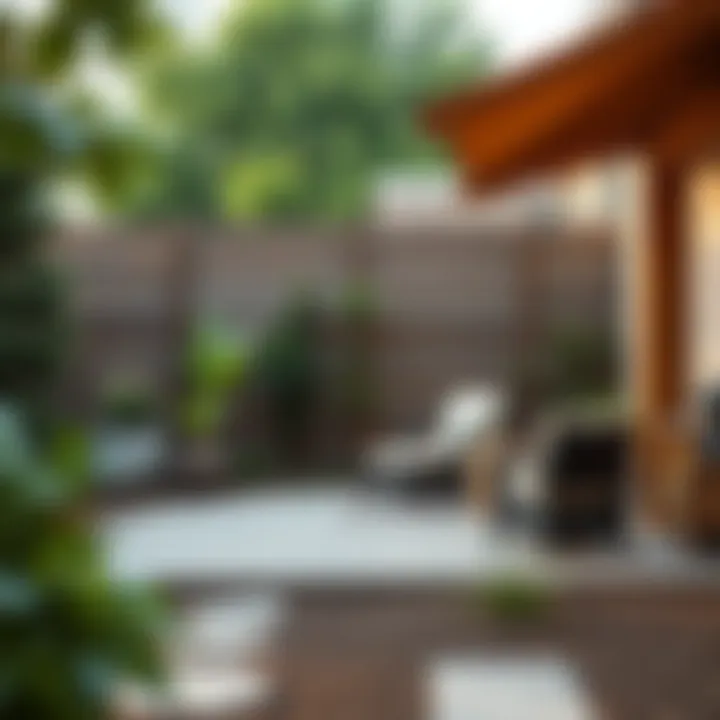
Seating areas are the heart of any outdoor gathering. They serve as a focal point where family and friends can relax. In a small yard, choosing the right type of seating can conserve space while enhancing comfort. Compact, modular furniture is a popular choice as it can be moved around easily, adapting to various needs.
What makes seating areas remarkable is their versatility. A simple bench can be a cozy nook for morning coffee, while an expandable table can host everything from BBQs to quiet dinners. Introducing elements like built-in benches or stylish stools is not only functional but trendy too.
However, attention must be paid to the materials used. While wood is classic and warm, metal options can provide a sleek modern touch. Balancing the aesthetics of seating areas with substance is key—after all, it's about creating a welcoming ambiance.
Garden Beds
Garden beds bring life and color to outdoor spaces. They might occupy ground area, but the right design ensures they don't eat up too much real estate. Raised garden beds are especially beneficial as they can be tailored to accommodate various plants and herbs without taking over the yard.
Featuring bold pops of color with flowering plants or stacking beds vertically can attract attention while leaving room for movement. The ease of access in raised beds allows for not only gardening but also easy maintenance, which is crucial for homeowners looking to keep upkeep minimal.
Moreover, integrating herbs or vegetables into garden beds presents an additional layer of functionality—homegrown produce right at your backyard! This aspect makes garden beds a fantastic choice offering beauty alongside practical benefits.
By thoughtfully maximizing the value in small spaces, homeowners can turn their yards into remarkable retreats that embody functionality and charm.
Sustainable Landscaping Practices
Landscaping isn't just about aesthetics; it's also about nurturing the environment. Embracing sustainable landscaping practices in your small yard can lead to a healthier ecology, lower maintenance costs, and a more rewarding outdoor experience overall. It's like giving a nod to Mother Nature while carving out your personal green retreat. Sustainable practices focus on minimizing negative impacts on the environment and optimizing resources, allowing you to create a lovely space without sacrificing ecological integrity.
Selecting Native Plants
Using native plants is one of the most significant aspects of sustainable landscaping. These plants are already adapted to the local climate, pests, and soil conditions, meaning they thrive without the need for excessive watering, fertilizers, or pesticides. It’s like inviting guests over who actually know the house rules – they blend in seamlessly.
Here are some benefits of using native plants:
- Water Conservation: Native plants generally require less water once established, which is perfect for those looking to reduce utility bills or comply with local water-saving regulations.
- Biodiversity Support: By choosing plants that naturally occur in your region, you provide habitat and food for local wildlife. It’s a favor to the birds, bees, and butterflies that enrich your outdoor experience.
- Low Maintenance: Ever struggle with plants that just refuse to grow? Native plants are low-maintenance; they don't typically require constant care like some exotic species.
However, consider these factors when selecting native plants:
- Soil Conditions: Different native plants thrive in various soil types.
- Sunlight Requirements: Make sure to know how much sun your space gets, as some native plants prefer full sun, while others thrive in shade.
- Local Climate: Choose plants that are truly native to your area, as not all species labeled as 'native’ are suitable for every climate.
Water Efficiency Techniques
Water efficiency is a crucial consideration for any landscaping project, especially given the rising concerns related to water scarcity in many regions. Some clever techniques can help you make the most of the water available while keeping your plants lush and vibrant.
Here are some effective water-saving strategies:
- Drip Irrigation: This system delivers water directly to the base of plants, reducing evaporation and runoff. Consider it the equivalent of a water-saving superhero for your garden.
- Rainwater Harvesting: Install rain barrels to collect runoff from your roof. This eco-friendly practice allows you to use rainwater for irrigation instead of tapping into your municipal supply. It's like having your own personal reservoir, and it often comes with fewer costs.
- Mulching: By adding a layer of organic mulch around your plants, you help retain moisture in the soil. Additionally, mulch suppresses weeds. It’s an economical way to keep the soil happy, moist, and appealing.
- Xeriscaping: This approach involves landscaping with drought-resistant plants and carefully planning moisture requirements. The idea is to create a beautiful space that uses little to no irrigation, saving you both time and cash.
Using these methods not only benefits your wallet but also contributes to a sustainable, eco-friendly environment. Homeowners who commit to sustainable landscaping practices will likely see long-term advantages, from reduced costs to a flourishing, self-sustaining garden.
Evaluating Landscaping Services
Understanding how to evaluate landscaping services is key for homeowners aiming to optimize their outdoor space without breaking the bank. A well-thought-out evaluation can help you avoid pitfalls down the line, ensuring you hire professionals who not only meet your aesthetic expectations but also stay within your budgetary constraints. When it comes to landscapes, it’s about more than just looks; it’s about crafting environments that enhance the quality of living.
Finding Qualified Landscapers
When searching for qualified landscapers, it's vital to sift through the vast pool of candidates carefully. Your first step should be to ask for referrals from friends, family, or neighbors who have had positive experiences. Also, web platforms like Yelp or Angie's List can provide valuable insights into the reliability and quality of different landscapers.
Consider these factors:
- Licensing and Credentials: Ensure that the landscaper has the necessary business licenses and certifications. This credential validates their competency.
- Portfolio of Work: Request to see photos of previous projects, especially if they are similar to what you envision for your yard.
- Communication Skills: Pay attention to how they communicate. A qualified landscaper should not only be knowledgeable but also transparent about processes and pricing.
- Client Reviews: Scour online reviews for consistent feedback—both positive and negative. This paints a clearer picture of their reliability and professionalism.
You might find it helpful to create a shortlist based on these criteria, which can narrow your focus and make the decision-making process easier.
Comparing Quotes Effectively
Once you've gathered several quotes, the next challenge is to compare them effectively. Comparing landscaping quotes is not as straightforward as it may seem because the scope of work, quality of materials, and overall design can vary significantly from one landscaper to another.
Here are some practical tips for comparing landscaping quotes:
- Breakdown of Costs: Ensure each quote includes a detailed breakdown of costs. This should encompass both materials and labor, allowing you to see what you are actually paying for.
- Scope of Work: Make sure all quotes reflect the same scope of work. Small differences can lead to significant variances in pricing, so ensure you understand what each quote includes.
- Materials Used: Ask each landscaper about the materials they plan to use. Cheaper options may save you upfront but could lead to higher maintenance costs down the road.
- Timeframe for Completion: Understand how long each landscaper estimates the project will take. Slower jobs might tie up your yard for an extended period, impacting your day-to-day life.
After collecting all this information, weigh the pros and cons. It could be wise to create a simple comparison chart to help visualize the data. Keep in mind that the cheapest option isn’t always the best; focus on the overall value you’re receiving.
"Investing in landscaping is investing in your home’s value, so take the wheel and drive this project wisely."
Ending
In examining the costs of landscaping a small yard, it's vital to grasp the full spectrum of financial implications and benefits that come hand in hand with thoughtful outdoor design. Landscaping is not merely an aesthetic endeavor. It holds the power to transform your space into a personal sanctuary or a functional gathering place. Therefore, homeowners must consider not just the initial investment but also the long-term gains in value, enjoyment, and environmental impact.
Recap of Costs and Considerations
When one dives into the specifics of landscaping costs, the various components quickly unfold. Below is a recap of the major cost areas to consider:
- Initial Material Costs: From soil to plants, understanding the variety and quality of materials can shift your budget. Native plants may save you in irrigation down the line.
- Labor Expenses: Whether you opt for professional help or take on a do-it-yourself approach, labor costs can account for a significant portion of your budget.
- Ongoing Maintenance: Basic upkeep is often overlooked in initial budgeting but can become a considerable expense over time.
- Permits and Regulations: Depending on the locality, some landscaping projects could require permits which add to costs.
By being aware of these areas, you can create a more accurate budget that reflects realistic expectations.
The Long-Term Value of Landscaping
Investing in landscaping goes beyond the immediate gratification of visual beauty. Well-planned outdoor spaces can significantly increase property value, attracting potential buyers and enhancing the livability of the area. Some noteworthy long-term benefits of landscaping include:
- Enhanced Curb Appeal: A well-designed yard creates a positive first impression, which can lead to higher home values in the real estate market.
- Environmental Benefits: Sustainable landscaping practices can reduce water usage and contribute to better local biodiversity. This translates to societal benefits too, through energy efficiency and improved air quality.
- Personal Satisfaction: Engaging with a beautifully landscaped environment can foster feelings of well-being and relaxation. This emotional value is often underrated but plays a role in overall quality of life.
- Functional Spaces: Integrated outdoor elements like seating and gardens can extend living spaces and offer favorable environments for social interaction and recreation.
In summary, navigating the costs associated with landscaping a small yard requires careful thought and planning. It is crucial to weigh immediate financial outlays against long-term returns, both in terms of property value and personal enjoyment. Understanding the nuances around these costs empowers homeowners to make informed decisions, ultimately leading to a small yard that fits their vision and enhances their lifestyle.