Revolutionary Staircase Designs for Interiors
Intro
When it comes to interior design, the staircase is often an overlooked opportunity for creativity and style. Many homeowners treat their steps as mere passageways, but with a little imagination, they can become a centerpiece of the home. This article ventures into the realm of innovative concepts for interior steps, discussing a variety of design elements that seamlessly merge function with aesthetic appeal. By exploring unique materials and ingenious layouts, we aim to spark inspiration among design savvy homeowners and those who love hosting guests in a stylish environment.
From current trends to color palettes and sustainable choices, this guide will illuminate numerous ways to transform your staircase into a striking feature. Whether you're looking for practical applications or decorative ideas, the following sections will provide you with a wealth of inspiration to elevate your staircase space.
Design Inspiration
Current Trends in Interior Design
In the world of interior design, trends shift like sand in the wind, but some current favorites are making waves when it comes to staircase innovation. Open risers are particularly in vogue, allowing for better light flow and a spacious feel. With a blend of glass and wood, these open designs can create an airy atmosphere that complements modern aesthetics. Alternatively, spiraled staircases are gaining traction for their eye-catching form and space-saving characteristics.
In addition, multifunctional stairs are becoming a staple—think storage hidden beneath the treads or built-in seating. This blend of functionality without compromising style is what many homeowners are chasing after. It's not only about getting from one floor to another but also how to make every inch worthwhile.
Color Schemes and Palette Ideas
Choosing the right color for your staircase can profoundly impact your home's overall vibe. Light colors, like soft whites or pale grays, can help in making small spaces appear bigger and brighter. On the flip side, deep hues such as navy blue or bold burgundy can create a dramatic effect that draws the eye, making the staircase a statement piece.
When considering color palettes, think about how they will harmonize with the rest of your home. Mixing different shades can create a stunning visual effect, but one must tread carefully to avoid clashing. An effective approach is to choose a dominant color for the steps and complement it with even shades or accessories along the staircase wall.
"The biggest challenge isn’t to build something new, it’s to transform what already exists."
Utilizing color beyond painting means looking at the materials as well. Different textures, like stained wood alongside sleek metal, can create an interesting juxtaposition that adds layers to your design.
In summary, getting creative with your interior steps lays the foundation not just for movement but for artistry that can reflect your personal taste. So, let’s dive deeper into other areas that can breathe life into those overlooked stairways as we explore more about innovative ideas around stairs!
Understanding the Importance of Interior Steps
Interior steps serve a variety of essential functions that go beyond mere transportation from one level to another. They hold significance in defining the character and flow of a space, acting as a bridge between various areas of a home or building. Therefore, it's crucial to grasp both their practical benefits and their ability to add to the aesthetic storytelling of a residence.
When considering the functional side, the design and placement of steps can significantly influence daily movement and accessibility within the home. Safety, ease of movement, and efficient use of space are paramount. Homeowners and designers alike must recognize that these features not only contribute to the usability of an environment but can also create unique focal points that draw the eye.
Equally important are the aesthetic contributions of interior steps. A well-designed staircase can transform the atmosphere of a room. Whether it boasts a modern flair, a more traditional appearance, or something entirely eclectic, steps can serve as stunning visual elements within a residence. This dual role emphasizes that understanding the importance of interior steps must involve a careful balance of utility and style.
"Staircases can define a space, adding beauty and functionality simultaneously. A step well done is a precursor to a home that feels connected and whole."
In this article, we will explore several key elements related to interior steps that are critical for homeowners, designers, and anyone interested in maximizing their indoor spaces. We will dissect various materials that can be used, innovative design types, and the significance of integrating features that enhance the overall aesthetic.
Ultimately, recognizing the importance of interior steps will foster an environment where creativity meets practicality, providing insights that inspire individuals to reimagine these often-overlooked elements.
Materials for Interior Steps
Choosing the right materials for interior steps is crucial, as it intertwines both function and form. The materials selected not only impact the durability and safety of the steps but also significantly contribute to the overall aesthetic appeal of your space. In this section, we will explore various options such as wood, metal, stone, tile, and carpet. Each material brings its unique benefits and considerations, making it necessary for homeowners and design enthusiasts to select carefully according to their needs and preferences.
Wooden Steps
Wooden steps offer a timeless, classic look that can effortlessly elevate any interior. The warmth of wood adds a touch of homeliness, creating an inviting atmosphere. Additionally, various types of wood—such as oak, maple, or walnut—can be chosen to harmonize with existing decor or to create a striking contrast.
Benefits of Wooden Steps:
- Aesthetic Appeal: Wood brings an organic feel, making spaces feel cozier.
- Versatile Styles: Available in both traditional and modern designs.
- Ease of Customization: Easy to stain or paint to match your decor.
However, wooden steps do require regular maintenance to keep them looking their best. Things like polishing and refinishing will be necessary over time, especially in high-traffic areas.
Metal Steps
Metal steps, particularly made from steel or aluminum, provide a modern and industrial look. They are incredibly durable and can bear substantial weight, making them ideal for busy households or commercial spaces. These materials can also be combined with other elements such as glass or wood to create a unique aesthetic.
Advantages of Metal Steps:
- Durability: Resistant to wear and damage.
- Fire Resistance: Inherently non-combustible, providing added safety.
- Low Maintenance: Typically requires less upkeep compared to other materials.
On the flip side, metal can feel cold or unwelcoming. Adding elements like rugs or soft lighting can help counteract this feeling.
Stone and Tile Options
Using stone or tile for steps brings a touch of elegance and luxury to your home. Material choices range from granite to marble, each adding its unique flair. Tiles can also be ceramic or porcelain, allowing for endless designs and patterns.
Benefits of Stone and Tile Steps:
- Durability: Highly durable and water-resistant, ideal for areas prone to moisture.
- Variety: Comes in a wide range of colors, shapes, and patterns.
- Naturally Cool: Can keep interiors cooler, which can be a boon in warmer climates.
However, one must consider the potential for slipping, particularly in wet conditions. Ensuring a textured finish can mitigate this risk.
Carpeted Steps
Carpeted steps offer comfort and warmth, making them a popular choice in residential homes, particularly in areas where children or elderly reside. The soft texture provides a non-slip surface, enhancing safety.
Reasons to Choose Carpeted Steps:
- Comfort: Provides a soft landing for your feet.
- Noise Reduction: Absorbs sound, creating a quieter environment.
- Warmth: Ideal for colder climates, as it retains heat.
The downside is that carpets can accumulate dust and stains over time, requiring more frequent cleaning. Selecting a durable, stain-resistant material can help with this maintenance challenge.
Design Types for Interior Steps
When it comes to the heart of your home, interior steps play a pivotal role that goes beyond mere functionality. The right design can not only elevate the aesthetic appeal of the space but also enhance the experience of transitioning between levels. Understanding the various design types of interior steps is crucial for homeowners and design enthusiasts alike, as it allows for the customization of living environments in a way that reflects personal style while factoring in safety and accessibility. Each design type brings its own unique flair and practical benefits, making the choice of staircase a significant aspect of interior design.
Straight Staircases
Straight staircases are perhaps the most classic option, embodying simplicity and elegance. These stairs provide a direct path between floors, making them efficient and easy to navigate. They require less space compared to other designs, which is ideal for smaller homes where every square foot counts. The straight design is particularly versatile; it can be crafted from various materials, such as wood, metal, or concrete, and can be painted or stained to match the interior decor.
They also offer the potential for customization through railings and treads, which could range from minimalistic to ornate. However, one must consider that straight staircases can sometimes appear less dynamic compared to their more complex counterparts. Emphasizing safety features, such as non-slip treatments on the treads, is vital, as they often become a high-traffic area.
L-Shaped Staircases
L-shaped staircases provide a more playful approach to stair design. This configuration introduces a landing, creating a change of direction that can add visual interest to a space. The angular layout allows for the incorporation of storage solutions or even small seating areas, particularly on the landing.
With L-shaped designs, homeowners can maximize functionality without compromising style. From a safety standpoint, the landing can serve as a pause point, allowing for easier navigation, especially for the elderly or those with mobility challenges. Moreover, these stairs can utilize a wide variety of materials, making them suitable for almost any design scheme.
Spiral Staircases
For those embracing a touch of drama, spiral staircases are often a captivating choice. Characterized by their winding design, these stairs not only save space but also become a focal point in the room. The compact nature of spiral stairs makes them ideal for duplexes or lofts where floor area is at a premium.
However, it’s essential to consider the accessibility aspect; while stylish, spiral staircases might not be the best fit for everyone, particularly young children or individuals with disabilities. Despite this drawback, they can be manufactured with a range of materials, such as wrought iron or glass, and can be adorned with beautiful railings, lending an air of elegance to a home.
Floating Staircases
Floating staircases bring an unparalleled sense of modernity and sophisticated design to a living space. This contemporary style features treads that seem to hover without visible support, creating a visually light appearance. Floating stairs can give the illusion of increased space, making them particularly popular in minimalist or industrial-themed homes.
While they are undoubtedly delightful to behold, engineers and designers must pay close attention to structural integrity. They require careful planning and must adhere to safety standards, ensuring that the design is as practical as it is eye-catching. Options for materials vary widely, including wood, metal, or glass, allowing for a high degree of customization.
Ultimately, the choice of stair design should be aligned not only with aesthetic preferences but also with functional considerations, ensuring that the interior steps serve their purpose effectively while enhancing the living environment.
Embellishments and Features for Steps
Embellishments and features for interior steps play a crucial role in enhancing both the functional and aesthetic aspects of staircases. They provide opportunities to personalize and elevate the design of your walking surfaces beyond practicality. With careful consideration of elements like handrails, lighting, artistic risers, and decorative treads, homeowners can transform once-ordinary stairs into standout features of their home.
Innovative Handrails
When it comes to handrails, design and safety coalesce in a myriad of ways. A handrail not only guides us safely up and down steps but also contributes significantly to the staircase's overall appeal. From sleek metal designs that embody minimalism to rustic wooden options that showcase craftsmanship, the choices are vast. Also, think about the possibility of integrating custom features like integrated plants or LED lighting that changes color to complement your home’s mood.
Moreover, incorporating ergonomic shapes can enhance comfort while ascending or descending. Consider employing diverse materials such as glass, cable, or even recycled composites that offer a unique touch while maintaining safety compliance. To sum it up, a well-designed handrail is both a protective barrier and an eye-catching feature.
Lighting Impacts
Good lighting can make or break the ambiance of staircases. Innovative lighting solutions not only guard against missteps but also illuminate the beauty of the steps themselves. Think beyond the standard overhead fixtures.
- LED strips: These can be installed under the treads or along the sides, creating a warm glow and adding depth.
- Motion sensors: Attachments that light up when they detect movement can dramatically enhance safety.
- In-steps illumination: Why not place small lights embedded in the risers? This approach adds a touch of modern flair without distracting from the design.
Not only does thoughtful lighting serve a practical purpose, but it can also create visually stunning effects, particularly during evening gatherings or nighttime. Properly lit steps can transform longevity and usability while adding a layer of luxury.
Artistic Risers
Artistic risers are an exciting way to showcase one’s personality or creativity. Whether you choose to paint, tile, or apply wallpaper to the riser space, this area is ripe for personal expression. It becomes a canvas to share a story, experiment with patterns, and make a statement.
For a cohesive look, artwork could include:
- Mosaics – Intricate designs can offer a textured feel that captivates.
- Murals – A larger design can create a visual journey that unfolds as one climbs the stairs.
- Quotes or sayings – Phrases that resonate with family values can be thematic and inspirational.
The possibilities are endless and personal, making each flight of stairs a unique narrative.
Decorative Treads
Decorative treads are another layer of enhancement that can bring both flair and security. Traditional wooden or carpeted treads can be enhanced using a variety of materials:
- Rubberized options: These can be vibrant and textured, providing grip while adding color.
- Natural finishes: Bamboo or reclaimed wood treads marry eco-friendliness with style.
- Artistic metals: Brushed copper or steel treads can infuse an industrial chic into a residential setting.
When selecting tread embellishments, consider how they will complement the overall space. The right tread can not only stop slips but can also bring out color schemes throughout your home.
By focusing on these embellishments and features, homeowners can take their stairs from mere functional objects to conversation pieces – a testament to design thoughtfulness and personal style.
Functional Considerations
When discussing interior steps, functional considerations often take center stage. This aspect is not merely about how stairs look, but fundamentally how they meet the demands they are built for. The design of steps influences not just aesthetic appeal, but also safety and accessibility—two interlinked aspects crucial for any homeowner's peace of mind.
Safety Measures
Safety is paramount when it comes to designing and building stairs. Each step is meant to carry weight and provide a secure foothold, and failure to consider safety can result in serious accidents.
- Non-Slip Treads: Adding non-slip materials to the surface of stair treads can greatly reduce the risk of falls. Options like rubber or textured coatings are both practical and can seamlessly blend with the overall design.
- Proper Lighting: Steps can often be shadowy corners in a home if not illuminated correctly. Installing lights along the steps or under each stair can provide visibility and enhance elegance. Soft LED strips add a modern touch while ensuring safety at night.
- Handrails: Adequate handrails are essential, not just for visual appeal, but for genuinely supporting those using the stairs. Position them comfortably within reach and make them sturdy. Materials such as stainless steel or well-finished wood offer both beauty and longevity.
- Height and Depth Considerations: Each step should have a consistent height (rise) and depth (run). As a general rule, the rise should not exceed eight inches and the run should be at least ten inches to ensure comfort and prevent tripping.
"A well-designed staircase combines form and function, balancing beauty with everyday practicality."
Accessibility Features
Making steps accessible ensures that everyone, regardless of physical capabilities, can navigate a space with ease. This consideration not only expands the utility of the home but enhances value and inclusivity.
- Wider Steps: Designing steps with a wider tread can accommodate more foot traffic and allow for easier transitions for individuals using mobility aids, such as walkers or canes.
- Gradual Slopes: For decks or entries where traditional stairs may be daunting, consider a sloped ramp. A slope with a gentle gradient can provide a safer and more user-friendly approach.
- Visual Contrast: Creating differences in color or texture between steps can aid visually impaired individuals. This doesn’t mean sacrificing aesthetics; thoughtful design can incorporate contrasting materials artistically.
- Smart Technology: For innovation in accessibility, smart technology can be integrated. Automated lifts or voice-activated stairlifts can offer significant assistance and safety for those who require help.
Incorporating these functional considerations into the design of interior steps ensures a safe, inviting, and maneuverable space, catering to the needs of all individuals while lacking in any traditional barriers. Addressing both safety and accessibility not only enhances the functionality of these structures but significantly elevates the overall living experience.
Step Ideas for Specific Places
When considering interior steps, the specific locations where they will be installed play a pivotal role in both their functionality and aesthetic appeal. From home entrances that make a lasting first impression to basements and attics that often serve as underutilized spaces, each setting offers unique opportunities for creativity and design enhancement. Likewise, commercial spaces require steps that seamlessly blend safety and style to accommodate diverse foot traffic. By breaking down these areas, we can dive deeply into innovative solutions tailored for each environment, ensuring each staircase is not just a means to ascend or descend but a vital component of the overall design narrative.
Home Entrances
The home entrance is the first point of interaction for guests and offers a glimpse into the style of the home. The staircase here is crucial; it sets the tone for what lies beyond. It's important to consider how the entrance staircase can create a warm, inviting atmosphere. Materials like natural stone or richly stained wood can complement a variety of styles, from rustic to modern.
- Lighting is essential; strategically placed recessed lights or stylish lantern fixtures can enhance the ascent, especially during evening hours.
- Decorative elements such as personalized risers can showcase art or family photos, telling a story before anyone enters. This small twist can make your entrance memorable.
- Zero-step entry options can be attractive for those seeking accessibility while maintaining elegance and functionality. Incorporating wider steps can also promote safety, paving a logical route into the home.
"A well-designed entrance not only impresses but becomes a harmonious part of daily life."
Basements and Attics
Basements and attics may often be overlooked, but they present excellent opportunities for innovation in staircase design. These spaces often require more than just functional access; they often reflect the personality and lifestyle of the homeowner.
In basements, the design needs to account for efficiency and practicality.
- Space-saving spiral steps can be a striking solution, creating room for other features like storage or seating areas without cramping the style.
- Ambient lighting can convert a dark, dreary space into an inviting area, making it ideal for gatherings or even as a home office.
On the other hand, attics often exude charm and quaintness. Here, a staircase should aim to preserve a sense of whimsy.
- Custom wooden steps with hidden storage compartments can be handy, optimizing space.
- Decor elements like vintage railings or painted steps can infuse personality, making the ascent enjoyable rather than merely functional.
Commercial Spaces
Steps in commercial spaces serve crucial roles. They need to be not only functional but also conducive to high traffic flows while ensuring safety and accessibility. Unique designs can enhance the overall ambiance of the space, encouraging foot traffic.
- Wide treads for comfort and stability are vital in busy environments, accommodating large groups of people efficiently.
- Durable materials, such as rubber or reinforced concrete, can provide longevity while adding modern flair.
- Integrating bright colors or branding elements into the steps can create an identity for a business; this approach can resonate well with customers, leaving them with a lasting impression.
Moreover, ensuring compliance with ADA regulations is non-negotiable in public spaces. Balancing style with safety and accessibility is the ideal approach for contemporary designs.
In each of these contexts, innovative step designs cleverly meet the unique challenges posed by their environments, allowing for functionality that doesn't shy away from aesthetic appeal. Recognizing the importance of each setting enables a tailored approach that elevates not just the steps themselves but the entire experience of moving through spaces.
Trends in Stair Design
In the realm of interior design, trends in stair design continually evolve, reflecting broader aesthetic, functional, and technological movements within home environments. Steps are not merely pathways from one level to another; they are potential focal points that can elevate the overall ambience of a space. This section examines the latest inclinations, emphasizing how they blend artistic expression with practical needs.
Minimalist Approaches
Minimalism has carved a niche in various aspects of home design, and staircases are no exception. Characterized by clean lines and understated elegance, minimalist designs prioritize simplicity and function. A staircase of this nature often features materials like glass or steel, creating a sense of openness and light.
One notable trend within this approach is the use of open risers, which enhances visibility and light flow in the home, allowing for a seamless connection between different spaces. Straight staircases with uninterrupted treads eliminate visual clutter, making the stairway appear less daunting yet sophisticated. Adding an LED strip under steps can further enhance this vibe, providing subtle illumination that draws the eye without overwhelming it.
- Advantages of Minimalist Stair Design:
- Creates a sense of space
- Less maintenance required
- Timeless appeal
Vintage Inspirations
In an age dominated by modern materials and sleek designs, vintage inspirations offer a delightful counterpoint that resonates with nostalgia. Vintage-style staircases can evoke the charm of a bygone era, often incorporating intricate woodwork or wrought iron details.
Victorian-inspired balustrades and ornate wood paneling elevate the character of these spaces, turning a simple staircase into a statement piece. One ought to consider blending various elements, such as combining a rustic wooden staircase with contemporary decor, as this can foster a unique charm. Accessorizing with vintage items, such as antique mirrors or decorative light fixtures, can further enhance the vintage aesthetic.
- Key Features of Vintage-Inspired Designs:
- Detailed craftsmanship
- Use of warmth-infused wood
- Potential for bespoke elements
Sustainable Materials
With the increasing emphasis on ecological consciousness, sustainable materials are gaining traction in stair design. Homeowners today are more aware of their environmental footprint and are looking for ways to integrate eco-friendly options into their interiors.
Materials such as reclaimed wood and bamboo not only offer a unique aesthetic but also provide the advantage of durability and lower environmental impact. Many homeowners are moving towards biodegradable composites that can be used for treads and risers, promoting sustainability without sacrificing style. Additionally, non-toxic finishes ensure that these materials do not release harmful pollutants into the home environment.
- Benefits of Using Sustainable Materials:
- Reduces resource depletion
- Promotes healthier indoor air quality
- Adds unique character due to natural variations
"Embracing sustainable choices not only enhances your space but also paves the way for a greener future."
By addressing the current trends in stair design—minimalism, vintage influences, and sustainability—one can create a staircase that is not only functional but also harmonizes with the overarching theme of the space, resonating with both personal style and societal values.
Innovative Storage Solutions
In many homes, staircases often become an underutilized space, relegated to just functionally connecting different levels. However, with innovative storage solutions, these areas can transform into not just functional but also efficient and stylish spaces. Making the most of your under-step or adjacent areas can contribute significantly to the overall organization of the home. It’s not just about making space; it’s about making the best of the space you have.
Utilizing design creativity in stair storage enhances functionality without compromising aesthetic appeal. Here are two effective methods to cleverly integrate storage solutions beneath or around your steps, maximizing square footage while decluttering your living environment.
Under-Step Storage
The area beneath stairs is often neglected, but it's a prime candidate for storage creativity. Utilizing this space effectively can turn it into a hidden treasure trove of organization.
One way to implement under-step storage is by incorporating pull-out drawers. This allows homeowners to easily access items without transforming the stair area into a chaotic storage site. Just picture it: pull out a drawer to find your winter boots or that extra roll of gift wrap, without having to dig around.
Another option would be open shelving. Instead of cramming everything behind closed doors, an open-shelf design can add an element of charm. This can serve as a small library, showcasing books and decorative items while also functioning as a practical storage solution. Furthermore, it creates an inviting space that draws the eye upward, adding visual interest to the stairwell.
Some people also opt for a combined method where lower sections feature closed storage, while the higher ones are left open to display curated collections. This mixed approach can give a dynamic look to what might otherwise be dull stairs.
Built-In Cabinets
By integrating built-in cabinets around the stair area, you create a seamless look that enhances the overall design of the space. Built-in options can fit snugly alongside staircases, turning otherwise wasted areas into valuable storage.
These cabinets can be customized to suit various needs. For instance, homeowners might include spaces specifically designed for shoes, bags, or even children’s toys, keeping them conveniently close but out of sight. This creates not only a functional space but also a cleaner look throughout the home.
Additionally, incorporating cabinetry that matches other elements of the home can create a cohesive design. Whether it’s the same wood finish as the stairs or a contrasting color for visual interest, built-in cabinets can serve as an artistic extension of your decor.
Ultimately, both under-step storage and built-in cabinets present unique advantages. They improve not only the functionality of the space but also allow you to express personal style and creativity in often-ignored areas of the home. As people continue to value practicality in residential designs, innovative storage solutions like these challenge traditional concepts and pave the way for more thoughtful living environments.
"Making use of every nook and cranny can lead to a more organized, serene home."
In summary, transforming staircases into functional storage areas is a wonderful way to maximize space while maintaining beauty. By investing in such creative storage ideas, homeowners can achieve practical solutions that enhance daily living.
Personalizing Your Steps
Personalizing your steps is more than just adding a touch of flair; it transforms the very essence of your staircase into a personal statement. Think of your steps as not merely a means to get from one floor to another, but as an extension of your individuality and lifestyle choices. While functionality often takes precedence when designing staircases, it’s the personalization that often differentiates a home from a house.
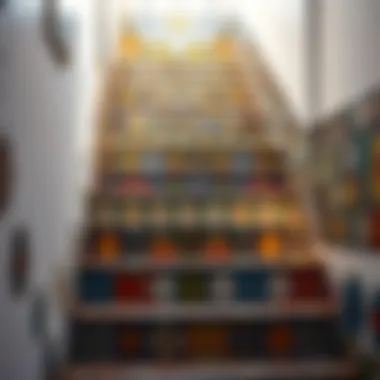

By personalizing your steps, you not only enhance the visual appeal but also infuse your living space with warmth and character. It makes your stairs a topic of conversation during gatherings, subtly showcasing your design acumen. Personalization might manifest through colors that resonate with your preferences or materials that reflect your lifestyle or even artistic risers that whisper stories of your adventures.
Unique Color Schemes
Choosing unique color schemes is crucial when it comes to personalizing your steps. The colors you select can set the tone for your entire living area. For instance, a bright yellow can energize, making a small space feel more open and welcoming, while deeper shades of navy or forest green might evoke a cozy sanctuary feeling.
Moreover, consider this: if your home embraces a rustic vibe, earthy tones like terracotta or muted greens can blend in perfectly. On the flip side, a modern home may favor bold contrasts, such as stark black and white or vibrant hues that catch the eye. It's all about finding a balance that resonates with your taste while enhancing the overall ambiance of your interior.
A practical approach to choosing your colors involves not just the current decor but also the amount of natural light your staircase receives throughout the day. Light-colored steps can brighten a dim area, while darker tones can create a more intimate space.
"Color influences our emotions and behaviors; let your steps speak through its palette."
Customized Materials
Customized materials offer another layer of personalization that can redefine your staircase experience. While traditional wood or metal steps serve their purpose well, exploring alternative materials can lead to innovative designs. For instances, incorporating glass can create an illusion of space and light, making even narrow stairways feel expansive.
If you’re into the industrial look, consider using reclaimed wood or a mix of concrete and metal. This blend not only adds character but stands as a testament to sustainable practices. Homeowners these days prefer eco-friendly materials that tell the story of their environmental consciousness.
Moreover, you might also explore durability and maintenance when selecting materials. For example, bamboo is a sustainable substitute for hardwood; it’s not only strong but also forgiving when it comes to scratches and wear.
Thinking outside the box—how about steps adorned with mosaic tiles? This can mirror your artistic flair while allowing your personal touch to shine through in each tile pattern.
Through careful consideration of color schemes and materials, the possibilities for personalizing your steps are practically endless. By putting your stamp on these designs, you don’t just create a pathway; you curate an intricate expression of who you are.
Integrating Technology
In an age where technology enhances almost every aspect of our daily lives, integrating tech into your interior steps isn't just about keeping up with trends; it’s about blending usefulness with comfort and style. Smart features in staircase design can not only elevate the aesthetic of your home but also improve its functionality. Whether you are accommodating family members with special needs or simply wanting to impress your guests with the latest innovations, tech-savvy steps are a smart investment.
Smart Lighting Solutions
Lighting can make or break a space, especially when it comes to steps. Smart lighting solutions allow homeowners to customize the ambiance along their stairways. Imagine having steps that light up automatically as you approach, providing a gentle glow that guides your way. Brightness can be adjusted depending on the time of day or your mood.
- Motion Sensors: These nifty devices activate lights as soon as you step near. Not only do they add convenience, but they also enhance safety. It's like having a personal spotlight every time you climb or descend.
- Color Temperature Control: With the push of a button or a simple voice command, you can switch from bright energizing white light to soft, warm tones for a more relaxing atmosphere.
- Remote Control and Apps: Many smart lighting options are controllable via smartphone apps. Imagine adjusting the stair lights while you're on your sofa, or programming them to dim at night automatically.
Investing in smart lighting provides both functionality and style. It can elevate the charm of your home while serving practical purposes.
Heated Steps
Imagine the luxury of warmed steps beneath your feet during frigid evenings. Heated steps might sound extravagant, but they're fast becoming a desirable feature in modern homes. Not only do they offer comfort, but they also enhance safety during ice-prone seasons.
While heated steps are commonly found in outdoor settings, their indoor application can transform the staircase experience. Here are some advantages and considerations:
- Safety First: Heated steps reduce the risk of slips and falls during winter months when moisture can turn to ice. By keeping your steps warm, you’re taking important safety measures.
- Energy Efficiency: Newer heated stair solutions are designed to be energy efficient, requiring less power and maintaining consistent warmth where it's needed most.
- Installation Considerations: It's vital to think about how they'll be installed. New retrofitting options make it feasible for existing home stairs without full renovations.
These solutions not only enhance daily comfort but also contribute to long-term care and durability of stairs by preventing wear and tear caused by winter elements.
"Integrating technology into everyday spaces like stairs isn't about being flashy; it’s about enhancing every step we take."
Maintaining Your Steps
Maintaining your interior steps is not just about keeping them clean; it's an essential aspect of home care that can enhance safety, longevity, and overall aesthetics. Stairs often endure substantial foot traffic and can be prone to wear and tear. Consequently, understanding how to maintain your steps ensures they remain both functional and visually appealing.
Taking a proactive approach to maintenance can also prevent costly repairs down the line. Regular attention to cleaning and upkeep helps sustain the material's integrity, whether it’s wood, tile, or carpet. Additionally, a well-maintained staircase provides a warm welcome for guests and elevates the ambiance of your space. Here are some key considerations:
- Safety: Proper maintenance can prevent accidents due to slippery surfaces, loose treads, or damaged handrails.
- Aesthetic Appeal: Regular cleaning and touch-ups keep the staircase looking fresh and integrated with the overall design of your home.
- Cost-effectiveness: Addressing minor issues promptly can save you significant money and hassle in the long term.
--
"Regular maintenance isn’t just about repairs; it’s a commitment to quality living spaces that reflect care and style."
Cleaning Protocols
Keeping your steps clean involves more than just a quick sweep or using any old cleaning solution. The right cleaning protocols vary according to the materials used in the staircase construction. Here’s a rundown of effective cleaning methods tailored to various surfaces:
- Wooden Steps:
- Tile and Stone Steps:
- Carpeted Steps:
- Dust the surface with a microfiber cloth to avoid scratching.
- For a deeper clean, use a solution of warm water mixed with a few drops of mild dish soap. Avoid soaking the wood. Dry immediately to prevent warping.
- Use wood polish occasionally to bring back shine and protect the wood.
- A simple mop and a solution of white vinegar and warm water can do wonders; just make sure not to use vinegar on natural stone.
- For tougher stains, a specialized stone cleaner is often necessary.
- Vacuum regularly to pick up dirt and debris. Consider using a carpet cleaner for deeper stains.
- Spot clean using warm water mixed with a small amount of carpet cleaner when spills occur.
Repair Techniques
No matter how well you maintain your staircase, wear and tear can still take a toll over time. Here are some standard repair techniques to keep your stairs in tip-top shape:
- For Wooden Steps:
- For Tile Steps:
- For Carpeted Steps:
- Inspect for loose or squeaky treads. Tightening screws or using wood glue can remedy minor issues.
- If scratches or dents appear, you may need to sand down the affected area and re-stain or refinish the step.
- Chips in tiles can often be fixed with epoxy or a tile repair kit, depending on the severity.
- Replace broken tiles if necessary, ensuring you match the exact color for a seamless look.
- If rips or tears appear, patching may be needed by sewing in new pieces of carpet or using a patch from a hidden area.
- Ensure the carpet backing and padding are intact to avoid further issues.
By dedicating time to both the cleaning and repair of your steps, you can enhance their lifespan and maintain a welcoming atmosphere in your home. Simple, regular checks can save you headaches later and keep your stairs shining bright!
Epilogue and Future Directions
Embracing Change
One cannot overlook the impact of evolving trends in interior design on staircase construction. The integration of new materials such as sustainable composites or smart technologies is no longer a futuristic idea; it’s becoming commonplace. Every new design method might bring its own quirks—be it floating steps that create an illusion of space or handrails that double as art pieces.
Change is not merely about aesthetics but also about improving safety and usability. With considerations for all age groups and abilities, modern designs are leaning towards accessibility features like low-profile treads to prevent slipping and integrated lighting to guide the way—all necessities in a future-oriented space. A timely adoption of such innovations can elevate the home environment, aligning it with contemporary expectations and requirements.
Inspiration and Resources
To keep the flame of creativity burning, one must seek inspiration beyond traditional sources. Here are several ideas and resources that can fuel your design ventures:
- Social Platforms: Websites like Pinterest and Instagram offer endless visual ideas through user-generated content centered around interior design.
- Design Magazines: Publications like Dwell and Architectural Digest provide in-depth articles on current trends and innovative designs that can inspire new ideas.
- Online Forums: Sites like Reddit have communities dedicated to home improvement and design, where you can share ideas and seek advice from others who share your interests. Check out reddit.com/r/InteriorDesign for interactive discussions.
- Local Workshops: Participate in local workshops or design schools where you can gain hands-on experience and insights into contemporary techniques and materials.