Hanging Plants with Purple Flowers: A Visual Delight
Intro
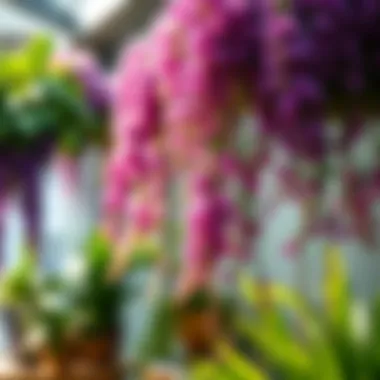
As the world of gardening expands, one particular category continues to weave its way into the hearts of enthusiasts: hanging plants. One striking feature in this collection is the splendid array of purple flowers that grace these trailing beauties. These vibrant blooms not only catch the eye but also serve a multitude of purposes, from enhancing the aesthetic of a room to improving air quality.
The allure of these flora extends beyond just their visual appeal. Hanging plants with purple flowers can transform any environment, be it a cozy living room, a breezy patio, or a vibrant garden. They’re versatile, adaptable, and when appropriately chosen and cared for, can thrive in various conditions. This article aims to unravel the depths of this captivating realm, exploring varieties, care, planting techniques, and the artistic essence they can infuse into spaces of all kinds.
So grab your gardening gloves and a notepad, as we embark on this enlightening journey through the wonderful world of hanging plants that showcase splendid purple flowers.
Design Inspiration
When it comes to decorating homes or spaces, the inclusion of plants often gives a fresh touch. Hanging plants with purple flowers present unique design considerations that harmonize beautifully within various settings.
Current Trends in Interior Design
In today's interior design landscape, the trend toward incorporating plants has gained significant traction. Designers are now recognizing the importance of greenery in enhancing mood and creating inviting atmospheres. Hanging plants, particularly those flaunting purple petals, add a layer of depth and character.
- Biophilic design: Integrating these plants aligns well with the philosophy of incorporating nature into architecture and interior spaces. This inclination not only promotes well-being but also enriches the space visually.
- Minimalism and statement pieces: With the minimalist trend sweeping across homes, hanging plants can often serve as statement pieces. A vibrant purple flower can draw the eye and serve as a conversation starter against neutral backdrops.
Color Schemes and Palette Ideas
The color purple brings a sense of luxury and serenity to any space. Pairing these hanging plants with complementary color schemes elevates the overall aesthetic.
- Complementary colors: Consider shades like yellow, gold, or even deep greens that can accentuate the purple flowers. This dynamic can create balance and highlight key features of your decor.
- Monochromatic palettes: Alternatively, sticking to various shades of purple combined with soft whites and greys can evoke a calm and sophisticated atmosphere.
The beauty of these plants does not merely lie in their allure; they also enrich the space they inhabit, making the environment more desirable and engaging.
In the world of design, hanging plants can shift the ambiance of a room as dramatically as a well-chosen piece of artwork.
These elements together lay the foundation for understanding not only the aesthetic applications of purple flowered plants but also the emotional resonance they can invoke within a space.
Prelims to Hanging Plants with Purple Flowers
Hanging plants with purple flowers occupy a unique niche in the realm of horticulture, primarily due to their aesthetic charm and practical benefits. As urban environments grow increasingly congested, the need to incorporate nature into our lives has become more pressing. These vibrant plants not only beautify our living spaces but also provide a refreshing touch of greenery that can uplift moods and promote well-being.
Using hanging plants with purple flowers can transform ordinary spaces into captivating displays of color. They offer homeowners, interior design enthusiasts, and gardening aficionados the opportunity to create dynamic visual points in their homes or gardens. Imagine walking into a room where deep purple blooms cascade elegantly from above, instantly drawing the eye and sparking conversation.
Beyond their stunning hues, these plants offer ecological advantages. By introducing them to residential areas, you contribute to biodiversity and create habitats for beneficial insects. Furthermore, they can improve air quality, making your indoor environment healthier.
It's worth noting that selecting the right variety is crucial. Not all purple-flowering hanging plants thrive in every condition; thus, understanding their specific needs—be it light, water, or temperature—is pivotal.
In this article, we will delve into various purple-flowering hanging plants, explore their optimal care practices, and discuss their design potential. Ultimately, we hope to inspire you to integrate these natural beauties into your spaces, enriching your environment both aesthetically and ecologically.
Why Choose Hanging Plants?
Hanging plants with purple flowers provide numerous benefits that can enhance both the beauty and functionality of spaces. By presenting an organic touch, they can make a statement or quietly elevate the atmosphere where they are positioned. Homeowners and gardening enthusiasts find that these plants not only enliven their surroundings but also contribute positively to their daily lives.
Space Efficiency
One of the foremost advantages of incorporating hanging plants into your environment is their space efficiency. In apartments or homes where square footage is at a premium, these plants can be your best friend. Imagine voids in corners or empty ceilings transformed into vibrant displays of foliage and flowers. By going vertical, you can maximize available space without overcrowding your living areas.
- Baskets hung from ceilings or shelves installed on walls can create stunning green walls without the need for expansive floor space.
- They can wrap around spaces like a cozy embrace, making corners feel inviting instead of neglected.
Moreover, hanging plants can also serve functional roles, such as natural air purifiers. Plants like English Ivy, known to consume toxins, can be a sturdy breathing partner in your home, allowing for fresh air circulation in smaller spaces.
Aesthetic Appeal
The aesthetic appeal of hanging plants with purple flowers can’t be overstated. Purple is often linked with luxury and creativity, and when it adorns plants, it can create an eye-catching focal point. There is something elegantly playful about the way flowing vines and brilliant blooms can transform environments.
- Variety in colors and shapes: The purple flowers of Bougainvillea or the vibrant shades of Wandering Jew can create a dynamic palette in your home. They can break the monotony of neutral walls, introducing colors that resonate with personal taste and ambiance.
- You can create thematic arrangements that align with different seasons, using various blooming schedules of these plants to maintain visual interest throughout the year.
This harmonious blend of color and design not only serves a decorative purpose but also fosters an emotional connection to the environment. Vast research shows that greenery can reduce stress levels and enhance mood, providing a haven of peace in our bustling lives.
Ecological Advantages
Choosing hanging plants also comes with a set of ecological advantages. Many people are becoming more conscious of our environment, and plants can significantly contribute to a healthier planet. Here are some points worth noting:
- Air purification: Many hanging plants are excellent air purifiers. Plants like Spider Plant (Chlorophytum comosum) not only thrive in hanging arrangements but also filter out pollutants, creating cleaner indoor air.
- Biodiversity support: Hanging plants can attract pollinators like butterflies and bees, pivotal for maintaining balance in our ecosystems. You can play your part from your home or patio.
- Natural humidity regulation: The process of transpiration in plants can help maintain humidity levels in indoor environments, which can be especially beneficial in dry climates.
Incorporating hanging plants with purple flowers isn't just about personal enjoyment; it's a step towards a greener, more sustainable future.
Popular Hanging Plants with Purple Flowers
The world of hanging plants is as vast as it is beautiful, and when it comes to varieties with purple flowers, the allure is undeniable. Choosing hanging plants with purple blooms adds a splash of color and a unique aesthetic that captivates both the eye and the heart. These plants not only enhance the visual appeal of any space, but they also contribute to creating a serene atmosphere, inviting nature indoors or illuminating outdoor areas. By spotlighting popular species, homeowners, garden enthusiasts, and design aficionados can better understand the specific traits, care needs, and potential benefits these plants carry, thereby enriching their gardening experience.
Purple Heart (Tradescantia Pallida)
The Purple Heart is a vibrant choice for any hanging plant lover. Known for its striking purple leaves and unconventional flowers that can appear in the warmer months, this plant is more than just a pretty face. It thrives in bright, indirect light, making it ideal for hanging in window boxes or under extensive patios. A unique characteristic of Purple Heart is its ability to trail beautifully, cascading down in vivid waves of color. Well-draining soil is non-negotiable; the last thing anyone needs is to drown this beauty in moisture. Regular pruning encourages bushier growth and more abundant blooms, keeping it looking fabulous throughout the seasons.
Wandering Jew (Tradescantia Zebrina)
Keen to add a touch of whimsy to your space? The Wandering Jew could be your perfect match. Distinguished by its green and purple striped leaves, this hanging plant is playful and robust. It has a tendency to spread out and wander, earning its name by growing beautifully in a hanging pot or a basket. With moderate light being all it asks for, it's low maintenance and forgiving for those who might forget about watering sometimes. However, too much direct sunlight can scorch those lovely leaves, so a little balance goes a long way.
To ensure your Wandering Jew remains vibrant, pinching off stems encourages fuller growth and prevents the plant from becoming leggy.
Purple Bougainvillea
You can't speak of purple flowering plants without mentioning the striking Bougainvillea. Known for its paper-like bracts that emulate stunning purple blooms, this plant is perfect for creating a dazzling display. Bougainvillea loves an abundant amount of sunlight, making it excellent for hanging outdoors where they can soak up those rays, especially in the warmer months. Just be sure to provide some sort of support as they grow; they are climbers at heart and love to stretch their limbs.
Caring for Bougainvillea might involve a bit more attention to pruning and watering, especially during its blooming period. However, the reward is well worth the effort, as it offers a dramatic pop of color that can transform any outdoor space into a tropical paradise.
Orchid Cactus (Epiphyllum)
The Orchid Cactus can bring a touch of elegance to your hanging plant collection. Not a traditional cactus by definition, it features thick, flat stems and spectacular, fragrant blooms that emerge in shades of purple, making for a captivating complement to any space. These plants prefer bright, indirect light and enjoy some humidity, making them perfect for kitchens or bathrooms where the temperature is a bit higher.
Understanding the watering balance is crucial here; too much moisture can lead to root rot, but neglect will bring about a lackluster display. Consider placing these in a hanging pot that allows for excellent drainage to encourage healthy growth. When the flowers do bloom, they often dazzle just in the cooler months, rewarding caretakers for their consistent and thoughtful nurturing.
Adding popular hanging plants with purple flowers to your space isn't just about aesthetics; it's also a journey into nature's artistry. Whether you lean towards the lush leaves of the Purple Heart, the cheerful Hopscotch of the Wandering Jew, the dramatic flair of Bougainvillea, or the elegance of the Orchid Cactus, there's a perfect fit for every enthusiast. Each plant tells its own story of care and growth, creating a tapestry of colors and experiences that can enliven any home.
Optimal Growing Conditions
For anyone considering adding hanging plants with purple flowers to their space, understanding their optimal growing conditions is essential. This knowledge not only enhances the plant’s aesthetic appeal but also promotes lush growth and longevity. Light, water, soil, temperature, and humidity play integral roles in the health of these plants, enabling them to flourish and draw the eye wherever they are placed.
Light Requirements
Light is one of the most critical factors influencing the success of hanging plants. Most varieties that bloom in purple, such as the Purple Bougainvillea, thrive under bright, indirect sunlight. Ideally, placing these plants in areas with filtered light can prevent leaf burn caused by harsh sun rays.
- Indoor plants should be positioned near windows that receive ample morning sun, as this helps mimic their natural habitat while protecting them from the intense afternoon glare.
- Some species, like the Wandering Jew, adapt well to lower light but certainly prefer a spot where they can bask in some sun for a few hours daily.
- Tip: Rotate plants every couple of weeks to ensure all sides receive a fair amount of light, encouraging balanced growth.
Watering Practices
Knowing how and when to water is another cornerstone of plant care. Overwatering is a common misstep among plant enthusiasts. Hanging plants with purple flowers often prefer the soil to dry out slightly between watering sessions. It’s prudent to:
- Check the top two inches of soil. If it feels dry to the touch, it's time to water.
- Ensure proper drainage; hanging pots with holes at the bottom can help prevent soggy roots that lead to root rot.
- During the warmer months, you may need to water more frequently since the heat can dry out soil more quickly than typical. Water with care, aiming for a gentle soak rather than a deluge to limit excess moisture.
Soil Preferences
The right kind of soil is crucial for nurturing these plants. A lightweight, well-draining potting mix works best, often containing peat moss, perlite, and compost. This composition allows adequate aeration and moisture retention without waterlogging the roots. Here's a breakdown of soil needs:
- pH level: Ideally, aim for a slightly acidic to neutral pH, somewhere between 6.0 and 7.0, which is perfect for most purple-flowering hanging plants.
- Nutritional content: Incorporating slow-release fertilizers into the mix every few months can provide the necessary nutrients without overwhelming the plant. While fertilizing, keep in mind that less is often more; over-fertilization can lead to a buildup of salts that harm plants.
Temperature and Humidity Needs
Temperature and humidity can make or break the growth of your hanging plants. Most prefer temperatures ranging from 65°F to 75°F. Extreme cold or heat can shock the plants, causing stress that can stunt growth or lead to wilting. Here’s how to manage:
- Watch for drafts: Keep plants away from cold drafts in winter or areas with intense heat from radiators during summer.
- Humidity levels: Purple flowering plants generally thrive in higher humidity. If you live in dry conditions, misting the plants occasionally or setting them on a tray filled with pebbles and water can create a microenvironment that mimics their tropical origins. Moreover, grouping plants together often increases local humidity, benefiting all the plants involved.
Understanding these optimal growing conditions sets the stage for stunning displays of foliage and purple blooms. Remember, keeping environment factors in check is essential in developing vibrant and healthy hanging plant arrangements.
Ultimately, investing time in learning about and adjusting these growing conditions will reward you with flourishing plants, bringing a splash of color and life into your home or garden.
Caring for Hanging Plants with Purple Flowers
Caring for hanging plants with purple flowers is crucial for ensuring they thrive and continue to beautify your spaces. These plants not only add a splash of color but also bring life and interest to interiors and exteriors alike. Proper care involves understanding their specific needs, including pruning, fertilization, and pest management. These considerations help maintain their health, aesthetic appeal, and longevity.
Pruning Techniques
Pruning is an essential aspect of caring for your hanging plants. It not only shapes the plant but also promotes growth like a well-timed trim of a tangled hair. Regularly removing dead or yellowing leaves allows the plant to focus its energy on producing new flowers. There are different techniques you should consider:
- Regular Cutting: Use sharp, clean scissors or pruning shears to cut back any overgrown stems. Make your cuts just above a leaf node to encourage new growth.
- Selective Pruning: Focus on specific areas to maintain desired shapes or to control size. This technique can help avoid the plant becoming leggy or sparse, ensuring it stays lush and vibrant.
- Seasonal Timing: The best time to prune is as new growth begins in spring or just after blooming. However, be cautious not to over-prune, as this might stress the plant.
"Pruning is not just about removal; it’s a strategy that helps plants thrive and flourish over time."
Fertilization Schedule
Developing a proper fertilization schedule cannot be overstated when caring for your hanging plants. These plants need a balance of nutrients to grow healthy and produce beautiful purple blooms. Here’s a straightforward plan to keep in mind:
- Type of Fertilizer: Use a balanced, water-soluble fertilizer, such as a 20-20-20 formulation, diluted to half strength. This ensures your plants get the essential N-P-K (Nitrogen, Phosphorus, Potassium) in manageable amounts.
- Frequency: During the growing season (spring and summer), apply fertilizer every four to six weeks. In the dormant season (fall and winter), reduce this to once every two to three months to avoid nutrient build-up.
- Signs of Need: Yellowing leaves might indicate a nutrient deficiency. If your plant looks lackluster despite regular feeding, consider reassessing your fertilizer choice or schedule.
Pest and Disease Management
Keeping an eye on pest issues is a critical part of care for hanging plants with purple flowers. Common pests such as aphids, spider mites, or mealybugs can wreak havoc if left unchecked. Here are strategies to manage these problems effectively:
- Monitoring: Regularly inspect your plants for signs of infestation, including webs or discolored leaves. Early detection is key.
- Natural Remedies: If you spot any pests, consider using insecticidal soap or neem oil. They’re less harsh on the plants and safe for indoor use compared to chemical pesticides.
- Diseases: Powdery mildew or root rot can be issues as well. Ensure proper air circulation around your plants and avoid overwatering, which is a common cause of root rot.
By staying vigilant and attentive to your hanging plants' needs, you'll cultivate a thriving display of vibrant purple flowers that can transform any setting. Proper care reflects not only your dedication as a gardener but also enhances the ambiance and connection to nature that these lovely plants provide.
Designing with Hanging Plants
In the realm of decor, hanging plants with purple flowers serve more than just an aesthetic purpose; they create an atmosphere that is vibrant and inviting. Integrating these plants into your design not only beautifies a space but also contributes to an environment that feels alive and refreshing. With their cascade of blooms and lush foliage, they can transform mundane corners into enchanting zones, allowing any homeowner or designer to express their creativity. Choosing the right plant involves understanding the specific attributes of your space, such as light availability and design theme. Let's dive deeper into how to seamlessly incorporate these botanical beauties into various settings.
Integrating with Interior Spaces
- Creating Statements: One of the most appealing aspects of hanging plants with purple flowers is their ability to act as a focal point in any room. A well-placed Orchid Cactus dangling from a stylish macramé hanger can grab attention immediately. Such plants thrive near windows, where they can showcase their gorgeous blooms while basking in proper light.
- Combining with Colors and Textures: When integrating these plants indoors, take note of the surrounding colors and textures. For instance, pairing a lush Purple Heart plant with earthy decor can create a warm, inviting atmosphere. The rich, deep purple of the foliage can complement mustard yellows or soft creams beautifully.
- Smart Placement: Consider hanging these plants at different heights to add depth, particularly in a living room or hallway. Staggered arrangements can lead the eye along the path within the area, effectively utilizing vertical space. It’s like painting a canvas, where each hanging plant adds a splash of color and texture.
Outdoor Applications
Hanging plants with purple flowers are equally effective in outdoor spaces, inviting nature right into your backyard or patio.
"Incorporating purple flowering plants such as Bougainvillea can transform an outdoor space into a vibrant visual tapestry."
- Creating Privacy: When arranged thoughtfully, these plants can act as a natural privacy screen. Hanging them from a pergola or the eaves of your house can give you the feeling of being secluded while enjoying the beauty of nature.
- Attracting Pollinators: Not only do these plants look good, but they also provide a haven for pollinators. Whether it's bees buzzing around a flowering Wandering Jew or butterflies fluttering about your Bougainvillea, you contribute positively to the ecosystem.
- Seasonal Displays: Outdoors, there's the advantage of changing displays with the seasons. Replace your hanging plants as they bloom or go dormant, keeping your space feeling fresh and dynamic all year long.
Creating Visual Balance
Visual balance is key when designing with hanging plants. Their dynamic forms can lead to imbalance if not arranged thoughtfully.
- Symmetry vs. Asymmetry: Use symmetry to create a formal look by placing identical plants on either side of a window. On the other hand, asymmetry may lend a more relaxed, whimsical feel—try hanging a mix of different purple flowers at varied heights for a natural, garden-like appeal.
- Complementary Choices: Pairing purple flowering hanging plants with a neutral backdrop allows them to truly shine. White walls or light-colored furniture can set the stage for a vivid display, making the colors pop.
- Layering Elements: Beyond just using plants, think about integrating them with other elements such as wall art or decorative objects. This layering can add complexity to the overall design without causing clutter. For instance, a vibrant Wandering Jew placed beside a simple piece of art can heighten the visual appeal without overwhelming the senses.
Selecting the Right Hanging Plant
Choosing the right hanging plant with purple flowers can feel like finding a needle in a haystack, especially with so many options available. Plants don’t just fill space but also bring life to our surroundings. They can elevate our living spaces while enhancing our mood and well-being. When selecting the right specimen, homeowners and gardening enthusiasts should consider several essential factors. Not every plant will fit into every environment, and taking a bit of time to assess these elements can save you from a world of complications down the road.
Assessing Space and Light Conditions
Before rushing out to purchase that stunning purple Bougainvillea, it’s vital to take stock of your environment. The amount of light your space receives plays a starring role in determining which plants will thrive.
- Natural Light: Observe how much natural light be it direct or filtered sunlight your hanging space receives. Do you have large windows that let the sun stream in, or are you dealing with a cozy corner that barely sees the light of day?
- Light Duration: Consider how long sunlight reaches your chosen spot. Some plants require a good chunk of daily sunlight, while others are more shade-tolerant.
For example, Purple Heart thrives well in bright, indirect light, while Wandering Jew is more amicable to lower light conditions. Remember, these nuances can be the difference between a happy plant and a wilting disappointment.
Matching Plant to Lifestyle
Gardening doesn’t have to feel like an additional chore; instead, it should fit seamlessly into your routine. Thus, matching plants to your lifestyle is essential.
- Time Commitment: Different plants have different needs. If you’re a busy bee with little spare time, you might want to consider low-maintenance varieties like Orchid Cactus. These require less frequent watering and are more forgiving if you forget about them for a week or two.
- Care Level: If you find joy in tending to your plants and have the time to devote to them, you could opt for more intricate species. This could include plants that benefit from regular pruning or specialized fertilizers.
Taking the time to thoughtfully consider how much attention you can give your plants will allow you to enjoy their beauty without stress. Coupling your space and lifestyle demands can lead to a flourishing relationship with your hanging plants, opening up a world of vibrant possibilities.
Remember, the right hanging plant can turn your space into a sanctuary, reflecting your taste and lifestyle.
For more details about specific plants and their growth needs, check resources like Wikipedia or Britannica.
Closure
As we draw the curtain on our exploration of hanging plants with purple flowers, it's essential to reflect on the myriad ways these vibrant plants can enrich our surroundings. Choosing the right hanging plant is not merely about aesthetics; it carries implications for our living spaces, as well as broader environmental considerations.
Hanging plants, particularly those flaunting purple blooms, offer a remarkable opportunity to utilize vertical space creatively. Imagine a small apartment where floor space is a luxury, yet one can still experience the revitalizing effects of greenery. These plants pull double duty, delivering beauty and improving air quality without encroaching on precious living area.
The ecological impact of selecting purple flowering plants goes beyond their visual appeal. Engaging with such plants encourages biodiversity by attracting pollinators such as bees and butterflies. Thus, it assists in fostering a sustainable ecosystem right within our urban jungles.
Furthermore, nurturing these plants teaches patience and care — qualities that enrich our lives. Gardening, even in small doses like with hanging plants, nurtures a connection to nature that many often overlook in our fast-paced, tech-driven world.
When considering the decor, the versatility of purple flowering hanging plants cannot be overstated. From chic, modern interiors to rustic homes, the colors can enhance any environment, providing a flair that speaks to individual style. They can serve as elegant conversation starters or calming backdrops during gatherings, allowing homeowners to showcase their artistic touch.
In short, the choice to include hanging plants adorned with purple flowers is not just about beautifying a space; it’s a conscious decision that echoes the harmonies of design, personal expression, and environmental responsibility.
"Nature does not hurry, yet everything is accomplished." — Lao Tzu
As this article has outlined, there are various factors to contemplate when selecting and caring for these plants. So, whether you are a seasoned gardener or just stepping your toes into the wonderful world of horticulture, embracing hanging plants can transform not just your space, but your perspective on nature and beauty.
In the realm of home and garden, let us remember that every purple flower hanging elegantly from our walls or ceilings breathes life into our daily routines while quietly advocating for the environment we live in.