
Choosing the Perfect Gray for Kitchen Cabinets
Intro
Selecting the right gray for kitchen cabinets can feel like trying to find a needle in a haystack. With so many shades to choose from, each one can tell a different story, setting the mood for your kitchen. Gray is a classic that has evolved over the years, balancing the line between modern aesthetics and timeless elegance. This article aims to guide you through the nuances involved in choosing the ideal gray, ensuring your kitchen reflects your personal taste while maintaining a stylish and inviting atmosphere.
When discussing gray hues, we need to consider how each shade interacts with your kitchen's existing elements. It’s not just about picking a color; it’s about painting a canvas that blends harmoniously with appliances, countertops, backsplash, and even the flooring. Together, these components work in unison to create an uplifting space where families gather and friends connect.
The psychology of colors also plays a role here. Gray can symbolise stability and sophistication, and different tones can evoke various emotions and feelings in people. Therefore, understanding the underlying tones of gray can unlock the potential to enhance your kitchen's ambiance and functionality.
In this guide, you’ll find comprehensive insights into:
- The impact of lighting on gray shades
- Current trends in selecting gray cabinetry
- Color schemes that complement gray effectively
- Considerations in material selection that can influence the shade's appearance
Let's dive into the world of gray and explore how to make your kitchen the envy of the neighborhood.
Understanding Gray in Interior Design
In the realm of interior design, color selection plays a significant role, acting as both a foundational element and a subtle influencer on mood and space perception. Among the various hues, gray stands out as a uniquely versatile choice. Its capacity to harmonize with different styles and thematic elements makes it an invaluable option, particularly for kitchen cabinets—an often neglected yet central feature of many homes.
Gray's allure lies in its adaptability. The shade can seamlessly transition from sophisticated to casual, depending on the choice of its application and surroundings. For instance, a soft dove gray evinces tranquility and warmth, while a darker slate can introduce bold contrasts and drama, showing how apparent simplicity can wield considerable power in design.
The Psychology of Gray
The psychological aspects of colors undoubtedly influence how we feel in a space. With gray, the emotions can vary dramatically based on its intensity and accompanying colors. Lighter shades of gray often evoke feelings of calmness and clarity. Homeowners creating a serene kitchen environment might lean towards these gentle tones. In contrast, deeper grays can suggest strength and seriousness, which could relate well to modern or industrial-themed kitchens.
When choosing a gray, it’s essential to consider the emotional response this color elicits in ourselves and our guests. This could mean checking out paint swatches at different times of the day to see how natural light interacts with the color.
"Gray is the ultimate neutral. It provides a blank canvas that allows other features to shine."
Of course, achieving the ideal psychological effect requires more than just picking a shade. The lighting—both natural and artificial—interacts continuously with gray, altering its appearance and the sentiments it conveys.
Historical Significance of Gray in Design
Gray’s place in the annals of design history provides a backdrop for understanding its contemporary appeal. During the Renaissance, gray was often utilized in architecture and textiles, symbolizing wealth and status. It was favored for its ability to soften the harshness of stone and bring depth to intricate designs. Fast forward a few centuries, and the Art Deco movement introduced a bolder use of gray, marrying it with metallics and luxurious materials to create visually stunning interiors.
In more recent times, gray has undergone a transformation, adopting a minimalistic and modern ethos, often found in the designs of prominent figures like Mies van der Rohe. His philosophy embraced the concept that less is more, demonstrating how gray could complement form and function.
Thus, when selecting gray for kitchen cabinets, a solid understanding of its historical context can deepen appreciation for this understated hue. It serves not merely as a color but as a narrative within the space—one that reflects both the past and the present.
Exploring Shades of Gray
When it comes to kitchen design, the color gray is increasingly becoming a go-to choice for homeowners and interior design enthusiasts alike. The subtle elegance and sophistication of gray shades can transform an ordinary kitchen into a space that feels both contemporary and timeless. In this section, we delve into the primary shades of gray that can redefine your kitchen cabinets. Understanding these nuances not only enhances aesthetic appeal but also ensures that you select the right gray for your particular setting.
Warm Grays vs. Cool Grays
Choosing between warm and cool grays involves understanding the emotional responses each can evoke. Warm grays generally feature hints of browns or beige, creating a cozy atmosphere. These shades can make a large kitchen feel more inviting, especially when paired with warm wood accents or soft lighting. They work well in spaces where you want to foster conversation and comfort, like the heart of family gatherings.
On the flip side, cool grays contain blue or green undertones, giving off a crisp, modern vibe. They often feel more spacious and airy, making them ideal for smaller kitchens or those that get a lot of natural light. If your kitchen has sleek, modern appliances or fixtures, cool grays can help highlight these design elements beautifully.
"The right undertones can either make or break your kitchen’s vibe. Understanding the warmth or coolness of a gray is crucial for achieving the desired atmosphere."
In selecting between these two types of grays, consider the overall temperature of your kitchen lighting and your personal preference for warmth versus coolness. Keeping in mind the room's accessories and decor can also significantly affect your color choice.
Light Grays: Subtlety and Airiness
Light gray cabinets possess a subtle quality that can open up a kitchen, making it feel larger and more airy. These shades serve as a perfect canvas for various accents, allowing other elements of your kitchen to shine without overwhelming the space. Whether you’re aiming for a farmhouse look or a sleek modern design, light gray offers unparalleled flexibility.
This shade can also reflect light beautifully, enhancing illumination throughout the kitchen. It can be particularly effective in spaces with minimal natural light, offering a crisp contrast to darker countertops or colorful backsplashes. Moreover, light gray pairs well with a plethora of color schemes, from whites to bolder hues like navy or even vibrant reds.
Charcoal Grays: Depth and Drama
For those wanting to make a statement, charcoal gray cabinets exude depth and drama. This bold choice can create a striking focal point in a kitchen, providing an air of sophistication and luxury. Charcoal shades have a profound richness that can ground a room, especially when complemented by lighter countertops or metallic accents. They bring a modern edge when used in sleek cabinet designs but can also fit beautifully into a rustic setting when paired with the right materials.
While charcoal can feel daring, it’s essential to incorporate ample sources of light—be it through natural sunlight or artificial fixtures—to prevent the kitchen from appearing too dark. Charcoal gray is a standout choice if you’re looking to push the envelope on traditional kitchen themes, adding an element that’s both rich and versatile.
Experimenting with different gray tones can yield surprising results, each telling a unique story in the modulation of light and space. Armed with this knowledge of gray shades, you can make a more informed decision, paving the way for a beautifully styled kitchen that resonates with your personality and everyday functionality.
Selecting the Best Shade for Kitchen Cabinets
When it comes to designing a kitchen that not only functions well but also looks great, selecting the right shade of gray for your cabinets is paramount. The color gray is known for its subtleness and versatility, making it a popular choice in modern kitchens. Picking the best shade isn’t as simple as just choosing your favorite one. It requires careful consideration of various factors, all of which interrelate and can make or break the overall aesthetic of your space.
Assessing Your Kitchen's Lighting
First and foremost, you have to think about the lighting in your kitchen. Natural light can drastically change the way colors look at different times of the day. If your kitchen has abundant natural light, you might find that certain grays with warmer undertones look more inviting during the day. On the other hand, in a space with minimal light, cooler shades can add a more modern edge and prevent the room from feeling too gloomy. Consider using paint samples and testing them in various lighting conditions before making a decision.
- Daylight: This is the best time to see the natural hue of your selected shade.
- Artificial Light: Consider how your lighting fixtures will influence the color. Warm lighting can heighten warmth in gray shades while cool bulbs may reinforce the cooler undertones.
Understanding the Space’s Color Palette
Next, it’s essential to take a hard look at the color palette of your entire kitchen. Selecting a gray that works harmoniously with existing colors will enhance your kitchen’s beauty. It's worth assessing your walls, floors, and any existing fixtures. Even small items like appliances can affect your choice. Ask yourself if you want a monochromatic look or a more eclectic mix. Grays can lean towards blues, greens, or even browns, which can significantly shift the vibe of your kitchen.
- If your floors are dark, a lighter gray can brighten up the space.
- A darker gray can anchor lighter-colored countertops and backsplashes, creating a visually appealing contrast.
Coordinating with Countertops and Backsplashes
The countertops and backsplashes play a critical role in this equation as well. These elements should complement your chosen gray cabinet color. For instance, if you have a granite countertop with warm undertones, selecting a gray that resonates with those hues makes for a rich and cohesive look.
- Light gray cabinets can amplify bright, shiny backsplashes, while darker shades create a dramatic effect.
- Always test samples together to see how they interact in your kitchen’s lighting.
Trends in Gray Kitchen Cabinets
Finally, keep an eye on current trends in gray kitchen cabinets. While trends can offer inspiration, personal taste should ultimately guide your choice. Shades like charcoal have taken center stage for their ability to add depth without overwhelming the space, while soft, pastel grays are perfect for cozy, textured looks.
"The world of interior design is continuously evolving; hence, staying updated with trending colors like gray can keep your kitchen looking fresh and contemporary."
Gray offers immense appeal and versatility. By just considering lighting, the existing color palette, your countertops and backsplashes, and the current design trends, anyone can find that ideal shade that truly reflects their style while remaining functional.
Impact of Material on Color Perception
When it comes to choosing the perfect gray for your kitchen cabinets, material selection is more than just a functional decision; it affects how color is perceived in the space. The texture, finish, and even the underlying substance can transform the way a gray color shines or feels in your kitchen. This section will dive into how different materials influence the perceived depth and vibrancy of gray tones in cabinets.
Paint vs. Stain: Color Depth
Choosing between paint and stain for your cabinets is pivotal in determining the ultimate appearance of gray in the kitchen. Paint creates a solid color that often gives a more uniform look, making it ideal for achieving bold tones. A painted gray cabinet can appear sleek and contemporary, especially if you opt for a high-gloss finish, which reflects light and can make a smaller kitchen feel more expansive.
On the other hand, stain interacts with the natural grain of the wood. A gray stain can enhance the texture, showcasing the cabinet's details while maintaining a cozy aesthetic. The variation in wood grain allows the stain to create a layered effect, making the color appear richer and more complex. In essence, paint suits those looking for a clean, modern vibe, while stain may appeal to individuals who appreciate warmth and depth in their kitchen cabinetry.
"Your choice of finish can mean the difference between a stark, modern appearance and a warm, inviting space."
Laminate vs. Wood Finishes
When selecting gray for your kitchen cabinets, the choice between laminate and wood finishes can dramatically alter color perception. Laminate, available in countless designs and finishes, can mimic the look of painted or stained wood at a fraction of the cost. While it can offer a consistent color that remains unchanged over time, it often lacks the depth that natural materials provide. A laminate gray cabinet may appear less authentic and could fall flat compared to its wooden counterpart.
In contrast, wood finishes give a tactile experience and varying visual quality. Each piece of wood is unique, allowing gray tones to reflect differently in various lights. A natural wood finish, whether stained gray or painted, can add elegance and richness. The ways light interacts with the wood grain create shadows and highlights, enhancing the gray's character. When making your decision, consider whether you prefer the sleekness of laminate or the organic charm of wood.
In choosing the right material, remember that how gray appears in your kitchen heavily depends not just on your choice of color, but also on the textural context you provide. Each material has its own story to tell, and the narrative you create with gray kitchen cabinets will ultimately reflect your personal taste and the functionality you seek.
The Role of Texture in Gray Cabinets
When pondering the perfect gray for your kitchen cabinets, one vital aspect often slips under the radar: texture. The texture of your cabinet finishes can dramatically influence not just the appearance but also the overall feel of your kitchen. A well-considered texture can add depth, enhance contrast, and even evoke emotions. It's not merely about the color but how that color interacts visually with light and space. Thus, this section will delve into the significance of texture, guiding readers to think beyond the surface.
Matte Finishes vs. Glossy Finishes
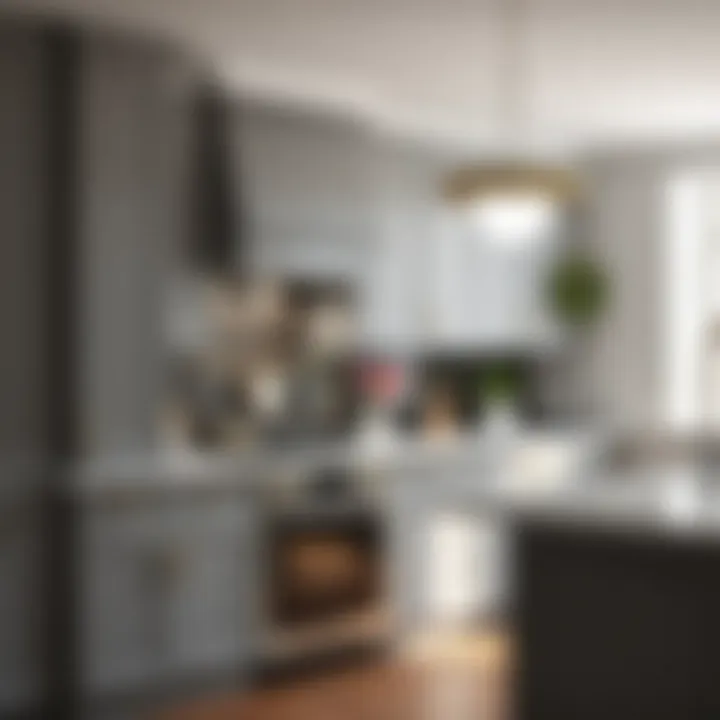
In the world of cabinet finishes, the choice between matte and glossy brings about a tug of war that one must navigate carefully. A matte finish, often celebrated for its understated elegance, absorbs light, softening the overall look. This can create a calming atmosphere, making it suitable for spaces that prioritize tranquility. On the other hand, glossy finishes are the life of the party; they reflect light like a mirror, injecting vivacity and energy into the kitchen. This reflects a more modern aesthetic, often associated with cleanliness and sleek design.
- Considerations for Matte Finishes:
- Advantages of Glossy Finishes:
- Hides imperfections: Great for older cabinets or those with minor flaws.
- Versatility: Complements both classic and contemporary styles.
- Less maintenance: Requires less frequent cleaning since it doesn't show fingerprints as prominently.
- Illuminates space: Reflects natural and artificial light, creating a brightening effect.
- Sophisticated look: Often used in high-end designs, appealing to modern tastes.
- Durable: Generally more resistant to wear and tear, suited for busy kitchens.
Understanding these characteristics helps a homeowner align their choice with their personal style and the functional needs of their kitchen. The decision can fundamentally shift the look and feel of the space—what might suit a cozy cottage may not work for a cutting-edge urban loft.
Textured Finishes: Visual Interest
Beyond the basic smooth or polished finishes lies the world of textured options. Textured finishes, ranging from grain patterns in natural wood to embossed designs in metal or composites, can serve as a focal point within a space. Such finishes stimulate the sense of touch as much as they do vision. They tell a story, often infusing a kitchen with character that is both inviting and intriguing.
- Types of Texture:
- Wire Brushed: Offers a rugged effect, making it feel more organic. It's perfect for a rustic vibe.
- Distressed finishes: Create a weathered appearance, often valued in farmhouse designs. They can evoke nostalgia and warmth.
- Linen or Fabric-like textures: Add a tactile dimension, enriching a minimal or contemporary kitchen environment.
"Texture gives life to design, turning a two-dimensional idea into a rich three-dimensional experience."
By opting for textured finishes, homeowners can elevate their cabinetry from merely functional to uniquely expressive. Whether aiming for subtlety or bold statements, the texture forms a bridge that enhances the chosen gray and enhances the overall kitchen aesthetic, making it decidedly yours.
Long-lasting Appeal of Gray Cabinets
Selecting gray cabinets for a kitchen can offer more than just a fashionable look; it represents a long-lasting choice that resonates with various elements in interior design. The appeal of gray transcends fleeting trends, making it a worthy candidate for homeowners looking to create an enduring aesthetic.
Timelessness of Gray in Design
Gray holds a unique position in the realm of design due to its versatility and timelessness. Unlike vivid colors that can quickly fall out of favor, gray can adapt to various styles—from contemporary to traditional. It pairs seamlessly with an array of colors, ensuring that as design trends evolve, gray remains a stable choice.
For instance, a soft dove gray can breathe life into a coastal-themed kitchen, while a deeper charcoal gray might serve as a striking contrast against white or pastel accents in a modern space. This adaptability reflects not only personal style but also adds value over the long haul. Homeowners can swap out accessories or paint on walls without the need to replace cabinets, which can be a costly undertaking.
Moreover, gray tends to evoke a sense of calmness and sophistication, leading to its use in various design contexts.
"Gray is the color of neutrality, an ideal backdrop allowing other design elements to shine without overshadowing them."
Resale Value Considerations
When it comes to gray kitchen cabinets, one must also consider potential resale value. In today’s housing market, potential buyers often gravitate towards neutral tones that present a blank canvas for their ideas. Gray cabinets can add a sense of elegance and modernity to kitchens, making them appealing during home inspections and viewings.
Several factors contribute to the positive impact of gray on resale value:
- Widespread Appeal: Since many buyers favor neutral tones, gray cabinets can attract a broad audience, crucial for quicker sales.
- Compatibility with Upgrades: When potential buyers consider future renovations, gray provides flexibility. It can adapt to a variety of countertop or backsplash designs, creating a seamless blend without requiring expensive updates.
- Perception of Quality: Gray often implies a high-end aesthetic. Higher-end finishes or even premium brand cabinetry in shades of gray can communicate a well-thought-out investment, hinting that the homeowner has prioritized quality and style.
Closure
Concluding this exploration into gray kitchen cabinets, it’s clear that selecting the right shade is a pivotal decision for homeowners and design enthusiasts alike. The color gray carries a nuanced elegance that can influence both the mood and functionality of a kitchen. Understanding how to choose the ideal gray means considering several critical factors.
Making Informed Choices
When it comes to making informed choices, one should start by assessing the existing colors in their kitchen. The compatibility of gray with different hues can either enhance or diminish the overall aesthetic. Homeowners should take note of the lighting situation as well. Natural light can bring out the best in certain shades, while artificial lighting might alter their appearance completely. Exploring sample swatches under various lighting conditions prior to making a decision can prevent costly missteps.
Another aspect worth considering is the kitchen's size and layout. A darker gray, for instance, may provide a bold statement in a spacious kitchen but can make a smaller area feel cramped. Conversely, lighter grays can expand the perception of space, providing an airy and open feel. To avoid feeling overwhelmed, it’s helpful to create a mood board combining potential cabinet colors, countertops, and other key features.
Emphasis on Personal Style and Functionality
That said, choosing gray isn’t solely about aesthetics—it’s also a reflection of personal style and functional needs. Each family has unique requirements based on lifestyle. A busy household with children might prioritize finishes that are durable and easy to clean, such as matte or satin, over glossy finishes that might show fingerprints or smudges easily.
Furthermore, gray can be surprisingly versatile, allowing homeowners to incorporate their favorite textures and materials alongside it. Whether for a modern minimalist theme or a rustic charm, the calming qualities of gray can serve as a unifying backdrop. Utilizing accessories and fixtures can help underscore personal preferences without compromising on functionality.
Ultimately, a well-thought-out choice of gray not only enhances the kitchen’s visual appeal but also ensures it remains a welcoming space for family and friends alike. By focusing on informed choices and aligning decisions with personal style, anyone can create a kitchen that feels just right for them.