
Essential Guide to Fig Tree Planting and Care
Intro
Cultivating fig trees can be one of the most rewarding endeavors for gardeners, whether seasoned or just dipping their toes into horticulture. Fig trees, with their captivating foliage and delectable fruits, not only enhance the aesthetic appeal of outdoor spaces but also contribute significantly to sustainable gardening. If you've ever savored the distinctive flavor of a fresh fig, you perhaps already know the allure that these trees hold. In this guide, we will unravel the essential aspects of fig tree planting, from choosing the right variety to understanding soil conditions and watering schedules.
Selecting the right fig variety can be pivotal to your success. With countless types available, it's vital to take into account your climate, soil type, and the space you have available. In addition, ensuring that these trees are planted with proper care and maintenance will ultimately yield a fruitful harvest. By reading this guide, gardeners will gather valuable insights—armoring themselves with the knowledge necessary to navigate the nuances of fig tree cultivation effectively. Let’s delve into the core topics that will be explored, setting the stage for a fruitful gardening journey.
"The only thing better than a fig on your plate is the joy of growing it yourself."
This guide emphasizes:
- Variety Selection: Understanding which fig tree varieties thrive in different environments.
- Soil Requirements: Learning about the ideal soil conditions for optimal growth.
- Watering Techniques: Establishing a consistent watering routine for healthy trees.
- Maintenance Tips: Implementing practices that promote longevity and productivity.
With this comprehensive guide at your fingertips, you'll be better equipped to transform your gardening experience and embrace the delights of growing your own fig trees.
Preamble to Fig Trees
Fig trees are not only a delight for the palate but also a fascinating topic for gardeners and homeowners alike. Understanding fig trees — from their historical roots to their cultural significance — can elevate an outdoor space into a sanctuary of flavor and aesthetic beauty. Fig trees, particularly popular in Mediterranean regions, have been cultivated for thousands of years. This article will unravel the journey of these remarkable trees, delving into their past and the role they play in various cultures.
The importance of discussing fig trees lies in their versatility and adaptability. These trees are not merely plants; they encapsulate a rich tapestry of human experience and nature. Homeowners can benefit greatly from incorporating fig trees into their gardens, as they provide both shade and delicious fruit. Moreover, knowing the ins and outs of fig cultivation can help mitigate common gardening pitfalls, ensuring a robust yield for years to come.
"A fig tree in your garden might very well be a garden of memories — every harvest tells a story."
The fig's unique growing requirements and the effort involved in nurturing them yield significant rewards. Fig trees can flourish in a variety of conditions, making them suitable for many climates. Also, the appeal of fresh figs in culinary endeavors cannot be understated, offering a refined touch to dishes from savory to sweet. This introductory grasp prepares the reader for deeper exploration, focusing on historical and cultural elements tied to fig trees.
Historical Overview
Figs are believed to be one of the earliest cultivated plants in the world, tracing back thousands of years. Archaeological findings in the Middle East suggest that fig cultivation was well underway as early as 5000 B.C. The ancient Egyptians revered figs, often linking them with fertility and prosperity, incorporating them into their diet and rituals. Likewise, Greek mythology often featured figs, viewing them as symbols of knowledge and enlightenment. These themes echo through the ages, establishing figs as a profound part of human culture.
The Romans took fig cultivation to new heights, spreading the fruit throughout their empire. They planted fig trees in many regions, laying the foundation for what would become diverse fig varieties known today. The journey of the fig is a testament to its resilience and its significant footprint in human history, reflecting various cultural transformations across different civilizations.
Cultural Significance
Figs hold a special place in various cultures, often standing as symbols of abundance and rebirth. In Mediterranean societies, figs represent fertility, spirituality, and wisdom. From biblical figures like Adam and Eve, who wore fig leaves, to contemporary culinary practices, the fig has remained a symbol of sustenance and human connection.
Interestingly, in some cultures, sharing figs has a social dimension, reinforcing community ties. In Middle Eastern traditions, figs often feature in desserts and festive occasions, emphasizing their role in celebrations and family gatherings.
Individuals interested in gardening or culinary arts may find figs a delightful addition to their lives, offering not only a source of delicious fruit but also a link to rich human histories and shared experiences. Understanding this cultural resonance provides gardeners with a deeper appreciation of what it means to cultivate fig trees in their own spaces.
Understanding Fig Tree Varieties
Understanding fig tree varieties is crucial for anyone looking to grow these fruitful trees. With a host of different types available, each variety brings its own unique charm, flavor, and adaptability to different growing conditions. Knowing the differences not only enriches the gardening experience but also empowers you to make informed choices tailored to your specific climate and garden setup.
When selecting a fig tree, factors like taste, texture, and even color come into play. Furthermore, regional variations impact the success of certain varieties. Hence, understanding which fig trees flourish in your environment can significantly enhance your gardening journey. Natural factors, like soil type and weather, also help in determining the ideal variety for your conditions.
Common Varieties and Their Features
Fig trees are celebrated for their luscious fruits and wide variety. Some popular types include:
- Black Mission: Known for its deep purple skin and sweet, rich flesh, this variety is a favorite among many. It does well in warmer climates and is prized for both fresh eating and drying.
- Kadota: This variety is especially striking, with its green skin and honey-like flavor. Kadota figs are often enjoyed fresh and are not overly complex in flavor, making them approachable for new fig lovers.
- Brown Turkey: This fig is versatile and hardy, with medium-sized fruits that have a mild taste. It can thrive in various climates, which makes it a popular choice for many gardeners.
- Celeste: Often referred to as the "sugar fig" due to its sweetness, the Celeste variety has a bluish-purple color. It adapts well in cooler regions and offers a delicious harvest.
Understanding these characteristics helps you choose wisely based on your taste preferences and local climate.
Selecting the Right Variety for Your Garden
Selecting the right fig variety for your garden includes considering various factors such as climate, space, and your personal preferences.
- Climate Suitability: If you live in a region with hot summers, varieties like Black Mission or Brown Turkey might thrive best. On the other hand, if your winters are a bit chillier, go for the Celeste, which can handle lower temperatures with ease.
- Space Considerations: Some fig trees, like the Brown Turkey, can grow quite large. You may want to choose a dwarf variety if you're in a more constrained space. Dwarf figs still yield fruit while fitting nicely into smaller backyards or container gardens.
- Purpose of Growing: Are you looking for figs to eat fresh, or are you interested in preserving them? If it’s the former, pick varieties like Kadota that are delicious when fresh. For preservation, any of the varieties can work, but those that are drier in texture like Black Mission are particularly suited for drying.
By thoughtfully considering these aspects, you can make an informed decision that aligns with your gardening goals and local conditions. This will ultimately lead to a more fruitful and satisfying gardening experience.
Optimal Growing Conditions
Understanding optimal growing conditions is vital for anyone looking to cultivate healthy and productive fig trees. The success of these trees largely hinges on three major components: soil requirements, sunlight needs, and climate considerations. Getting these elements right can elevate your gardening experience from a mere hobby to a fruitful endeavor that bears sweet results each season.
Soil Requirements
pH Levels
The pH level of soil is a cornerstone for successful fig tree growth. Ideal conditions range from slightly acidic to neutral soil, specifically between 6.0 and 7.0. A balanced pH enables the tree to absorb nutrients effectively. If this level sways too far into acidic or alkaline territories, nutrient deficiencies can manifest, affecting growth and yielding. Thus, monitoring and adjusting the soil pH is crucial for optimizing the tree's health and production.
Nutrient Content
Nutrient content is another critical aspect when growing fig trees. Figs thrive in nutrient-rich soils, particularly those high in nitrogen, phosphorus, and potassium. These elements are essential for healthy growth and optimum fruiting. A unique advantage of nutrient-dense soil is its ability to foster robust root systems, offering a stable foundation for the tree. Think of it as feeding the soul of the plant itself—without adequate nourishment, you may face slow growth and small, unripe fruit.

Soil Drainage
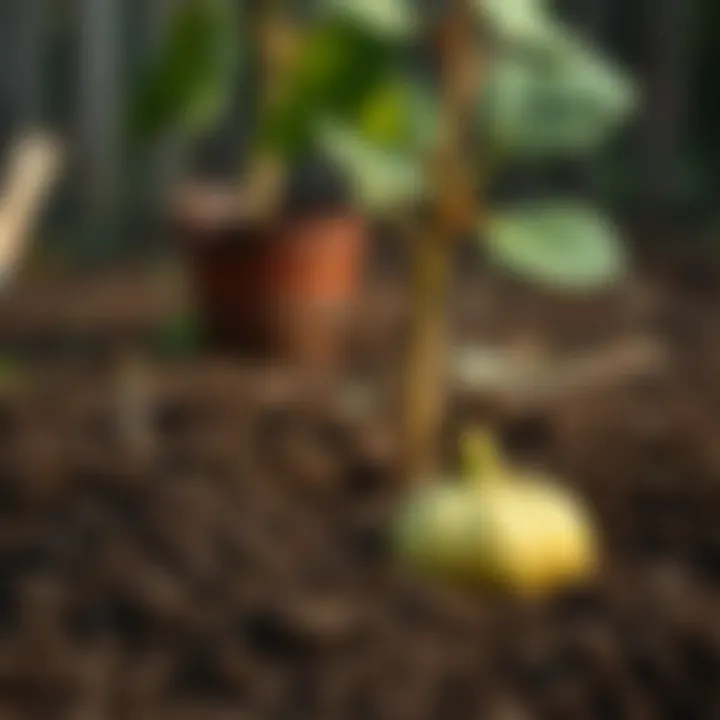
Soil drainage plays an equally important role in fig tree cultivation. Good drainage, ideally sandy or loamy, prevents water from pooling around the roots, which can lead to rot. Figs despise soggy feet! Proper drainage protects the integrity of the roots and allows air to circulate, thereby encouraging healthy growth. On the flip side, dense, clay-filled soils can trap moisture, posing a significant risk to your fig trees. Ensure it's loose and drains well for best results.
Sunlight Needs
Full Sun vs. Partial Shade
Fig trees flourish in full sun, needing at least 6-8 hours of direct sunlight daily. Sun exposure maximizes photosynthesis and drives their growth. While partial shade might sound appealing for those trying to protect young trees, it often stunts growth and reduces fruit quality. So, if you're eyeing that cozy shaded corner of the garden, think again—fig trees crave sunlight like a bee seeks nectar!
Impact on Growth and Fruiting
The relationship between sunlight and fruiting outcomes can't be overstated. Adequate sunlight boosts the number of ripe figs and enhances their sweetness. A tree that sits in the shade will likely produce fewer and less flavorful fruits. It's all about keeping those leaves sunny and happy. Plus, a well-sunlit environment is essential for preventing diseases, as moisture evaporates more quickly, reducing fungal growth risks.
Climate Considerations
Hardiness Zones
Fig trees generally thrive in USDA hardiness zones 7 to 10, although some varieties can handle colder climates. Knowing your hardiness zone helps in choosing the right type of fig tree that will not only survive but thrive in your area. It’s like knowing the playing field before a match—knowledge of climate allows for strategic planting, ensuring you select a variety that can withstand the temperature extremes of your region.
Temperature Requirements
Temperature affects every aspect of fig tree growth, from blooming to fruiting. These trees prefer warm climates, ideally between 70°F and 85°F during the growing season. However, they can suffer in temps below 10°F, which could lead to frost damage. This reality makes it essential to monitor and cushion your trees during colder months. From wrapping trunks to using protective covers, ensuring your figs are temperature-happy is fundamental for robust growth and abundant harvests.
"The right growing conditions are like a loving embrace—nurturing and essential for growth."
The optimal growing conditions set the stage for flourishing fig trees. By paying attention to soil quality, sunlight exposure, and climatic factors, you're positioning your garden for success. Embrace this knowledge, and your fig trees will undoubtedly reward your efforts with bountiful harvests.
Planting Techniques
Knowing how to properly plant your fig tree can be the difference between a lush harvest and a lackluster yield. Fig trees may look resilient, but their establishment phase needs careful attention. Proper planting techniques lay the groundwork for not just survival but thriving life. A well-planted fig tree can adapt to its surroundings better, which is key to its long-term health and productivity.
When to Plant
Timing is everything, and this is no joke when it comes to figuring out when to plant your fig tree. Spring is the golden window, particularly after the last frost. This allows the roots to settle when temperatures are milder. Planting during this time creates a cozy environment for roots to grow deeper into the soil before facing the challenges of summer heat. You don’t want to rush into planting too early or too late—get it just right, and you may reap bountiful fruits come fall.
Step-by-Step Planting Process
Pre-Planting Preparations
Preparing for planting is akin to setting the stage for a grand performance. When you take the time to prep, you're ensuring every element is in place. Start with soil tests; knowing the pH levels can save a lot of headaches down the road. Fig trees prefer slightly acidic to neutral soil—around 6 to 7 on the pH scale. This is one hallmark of pre-planting; it not only addresses the nutritional needs of the tree but also minimizes the risk of stress as the roots get established.
It’s also wise to organically enrich the soil with compost. This adds a good dose of nutrients while improving soil structure—an ace up your gardening sleeve. Keep in mind that poorly prepared soil can lead to compromised growth; an investement in pre-planting can drastically enhance fruit output later.
Digging the Hole
Digging the hole may sound simple, but there’s an art form to it. The hole should ideally be twice the width of the root ball, yet only about as deep. This setup encourages lateral root growth, which is essential for tree stability and nourishment. A key characteristic of this particular step is ensuring the soil isn’t too compacted at the bottom of the hole; otherwise, the roots will struggle trying to push through.
A well-done hole accommodates roots without overexposing them to harsh conditions. It’s easy to overlook, but properly dug holes can lead to thriving trees, maybe even the envy of your neighbors.
Planting and Watering
Once you’ve done the hard work of preparation and digging, it’s time to plant the fig tree. Make sure the tree is positioned straight; a tilted trunk can lead to growth issues over time. After placing the tree in the hole, backfill it with soil, gently tamping it down to remove any air pockets. This is crucial because air pockets can dry out roots and lead to stress.
After your fig is snug in its earthen cradle, watering is key. Give it a good soak, allowing moisture to penetrate deep into the soil. Regularly watering for the first few weeks supports root establishment. A unique advantage of setting up a watering schedule early on is it encourages a robust root system to develop, allowing the tree greater access to nutrients and moisture as it matures.
Remember, adequate watering during initial growth doesn’t mean drowning the roots. It’s about striking a balance, keeping soil evenly moist but not overly soggy.
Mastering these planting techniques provides a strong foundation for your fig tree and ultimately enhances its performance in your garden. Investing time upfront can yield a fruitful return, making all the efforts in nurturing your fig tree well worth it.
Watering and Fertilization
Watering and fertilization are vital components in achieving a bountiful harvest from fig trees. As with any plant, proper hydration and nutrition aren’t just important; they can make or break your gardening efforts. Without these elements, your fig tree might flounder, leading to minimal fruit production and health issues.
Watering Requirements
Frequency and Amount
The watering frequency and amount greatly influence the well-being of your fig tree. On average, these trees require a deep watering once every week or so. This doesn’t mean a light sprinkle; the key here is to ensure the roots soak well. The unique aspect of figs is that their root systems tend to grow deep into the soil in search of moisture.
- Key characteristic: Regular deep depths help prevent shallow root development.
- Popular choice: This approach is preferred since it replicates natural rainfall and encourages stronger root systems.
While it's tempting to water often, overdoing it can lead to root rot. You want to keep a balance, allowing the soil to dry out between watering sessions. Adjust your regime based on rainfall, soil drainage, and temperature—hot summer days may call for more frequent watering.
Signs of Underwatering and Overwatering


Gardening isn’t just about doing the right thing; it’s also about recognizing what goes wrong. Fig trees will readily let you know if something’s off with their watering. Signs of underwatering include wilting leaves and dried-out fruit. On the flip side, overwatering may manifest as yellowing leaves and decay at the base of the trunk.
- Beneficial aspect: Understanding the signs can save you from costly mistakes and carious tree conditions.
- Advantage: Prompt attention to these signs typically allows for quick recovery, minimizing lasting damage.
Keeping an eye on the leaves and soil can provide guidance on your watering approach, preventing any harm before it becomes a major concern.
Types of Fertilizers
Fertilization isn’t a one-size-fits-all approach, especially for fig trees. The choice between organic and synthetic options can influence not just growth but the flavor of the fruit as well. Organic fertilizers, such as compost or well-rotted manure, enrich the soil naturally over time, while synthetic fertilizers offer an immediate nutrient blast.
Organic vs. Synthetic Options
Choosing organic vs. synthetic fertilizers boils down to personal preference. Organic options are better for the environment and improve soil health over time. In contrast, synthetic options are popular for their ability to deliver nutrients quickly.
- Unique feature of organic fertilizers: They enhance the soil structure and microbial life, making it a healthier choice long-term.
- Advantage of synthetic options: They will give immediate results, leading to quicker growth and fruiting phases.
The balance between optimal growth speed and sustainability is a key decision point for gardeners.
Application Timing
Timing your fertilization is as crucial as the type of fertilizer used. Generally, figs benefit from a nitrogen boost in early spring, which supports robust leaf growth. As the fruit starts to develop in early summer, a switch to a balanced fertilizer rich in potassium and phosphorus can help optimize fruit yield.
- Key characteristic: The timing should align with the fig tree's growth cycles for the best results.
- Advantage: Tailoring your fertilization schedule not only ensures vibrant growth but ultimately leads to more succulent figs come harvest time.
Pruning and Maintenance
The journey of cultivating fig trees involves not just planting them, but also dedicated efforts towards their maintenance and pruning. This aspect is essential in ensuring that those trees thrive and produce abundantly. Proper pruning and maintenance can lead to healthier growth, better fruit yield, and ultimately, a more productive garden. It’s not just about cutting branches; it’s about understanding the whole plant structure and its needs.
Importance of Pruning
Pruning plays a key role in the overall health of fig trees. Engaging in regular pruning helps develop a strong framework, allowing the tree to support its growth and fruiting. It helps manage the tree's size and shape, ensuring it does not become overly dense, which can restrict sunlight and air circulation. When limbs are too crowded, ripe figs can be hard to spot, leading to less harvesting and waste. Additionally, pruning encourages the growth of new shoots which can contribute to improved fruiting in the next season.
- Pruning enhances sunlight penetration.
- It improves air flow within the branches.
- Proper pruning can prevent diseases by removing dead or diseased wood.
- It focuses the tree's energy on producing quality fruit.
Techniques for Effective Pruning
Getting the hang of pruning techniques can make a world of difference for your fig trees. Understanding the best methods and timing ensures success in this vital maintenance task.
Best Time to Prune
Choosing the right time to prune is critical for optimizing growth. Typically, late winter or early spring, just before the buds start to swell, is considered the best time for pruning fig trees. The advantage of pruning at this time is needed to minimize stress on the tree while encouraging robust growth when the growing season begins.
Here are some key points about the best time to prune:
- Promotes Strong New Growth: Pruning before a growth period encourages the tree to use its energy effectively for new shoots.
- Minimizes Sap Loss: During late winter, sap flow is typically at its lowest, so the tree suffers less stress from cuts.
However, it's worth mentioning that different climates might have varying optimal periods, and adjusting accordingly to local conditions can enhance results. Be mindful to observe the tree’s natural rhythm.
Tools Needed
Arming yourself with the right tools simplifies the pruning task and helps achieve clean cuts. Essential tools for fig tree pruning include sharp pruning shears, loppers, and perhaps a saw for larger branches. A good pair of gloves is also advisable to protect your hands.
Here are some highlights about tools needed:
- Sharp Pruning Shears: These are essential for clean cuts that promote healing and reduce injury to the plant.
- Loppers: Ideal for thicker branches, making the job much easier.
Using the appropriate tools not only makes the task easier but also enhances the effectiveness of pruning. Avoid using dull blades, as they crush rather than cut, leaving your tree vulnerable to diseases.
In summary, effective pruning and maintenance lead to robust fig trees, ensuring they produce healthy, delicious fruits. Understanding the importance of timing and using appropriate tools contribute significantly to a successful gardening experience.
Pest and Disease Management
Managing pests and diseases is a critical aspect of ensuring that fig trees thrive and yield fruit. This section covers the importance of staying vigilant and the proactive measures you can take against potential threats. When managed correctly, the health of your fig trees can improve remarkably, leading to better fruit quality and quantity.
It’s a well-known fact that fig trees can be susceptible to various pests and diseases, which can put a real damper on your gardening efforts. Addressing these issues not only protects your investment in the trees but also ensures a more fruitful harvest year after year. Plus, understanding these problems allows gardeners to develop a more intimate relationship with their plants, resulting in healthier and more robust fig trees.
Common Pests Affecting Fig Trees
Fig trees encounter their fair share of pests. Some of the most common culprits include:
- Fig Beetles: These pests are notorious for damaging both leaves and fruit. Their presence can often lead to a drop in fig yield.
- Spider Mites: A small yet mighty pest, spider mites can suck the sap from fig leaves, causing discoloration and eventual leaf drop. These little guys love dry conditions.
- Scale Insects: These can be tricky to spot because they blend into the bark. They suck the sap and can weaken the tree significantly.
- Fruit Flies: They infest the fruit, making it inedible and susceptible to rot.
Combating these pests often requires a mix of physical, chemical, and organic methods. For example, introducing natural predators like ladybugs can help you manage smaller infestations naturally, while targeted insecticides may be necessary for larger problems.


Identifying and Treating Diseases
Disease management is equally crucial for the longevity and productivity of fig trees. Two primary categories of diseases gardeners ought to be aware of are fungal infections and bacterial issues.
Fungal Infections
Fungal infections can wreak havoc on fig trees when not identified early. One prevalent type is powdery mildew, which appears as a white powdery substance on leaves. It thrives in humid conditions and poor air circulation around the tree.
- Key Characteristics: Symptoms include leaf wilting and poor fruit development. This infection often leads to reduced vigor in trees.
- Benefits of Early Detection: Recognizing the signs early allows for timely intervention. Gardeners can use fungicides or organic options such as a baking soda solution to combat the infection.
- Unique Features: It’s essential to maintain air circulation around the tree, as reducing humidity can help control such infections.
Bacterial Issues
Bacterial issues like fig tree bacterial blight can lead to serious problems. The symptoms often include black streaks on leaves and fruit, which can ultimately lead to decay.
- Key Characteristics: A rapid spread can occur, especially during wet weather conditions. Dead patches on branches can be a telltale sign.
- Understanding Its Impact: Early intervention is vital. Pruning away infected areas while ensuring tools are disinfected can help stop bacterial spread. In some cases, copper-based fungicides work effectively against bacterial blight.
- Advantages and Disadvantages: While most treatments can be effective, they often require a consistent management approach and attention to detail to fully eradicate the problem.
"Consistent vigilance helps ensure that your fig trees remain healthy and productive, allowing you to enjoy nature's sweetness right from your garden."
By staying informed and proactive, gardeners can create a flourishing environment for their fig trees, minimizing pest and disease issues. This understanding can turn a struggling fig tree into a thriving source of fruit and beauty in any garden.
Harvesting and Storage Techniques
When it comes to growing figs, embracing proper harvesting and storage techniques is just as vital as nurturing them through their growing season. Knowing when to pick the fruits and how to keep them fresh can mean the difference between a delightful dining experience and a discarded pile of overripe figs. Therefore, let's break it down.
When to Harvest Figs
Timing plays a significant role in fig harvesting. Figures like a ripe fig bursting with sweetness can tempt any gardener, however, waiting until just the right moment is key. Harvesting figs too early can leave you with a sad, rubbery fruit. Generally, figs are ripe when they slightly droop on the branch and feel soft to the touch. Look for a rich color that matches the variety you’ve chosen.
- Touch Test: A gentle squeeze should reveal some give without squishing the fig.
- Look for Sags: A ripe fig often hangs down, while an unripe one stands straight as a soldier.
- Be Mindful of Timing: Early morning or late afternoon is the best time to gather your figs, as the temperatures are cooler and the fruit is less likely to bruised.
Nailing the timing can transform a simple harvest into a satisfying bounty, making it an integral part of the fig-growing experience.
Proper Storage Methods
After you've harvested those figs, the next task is to preserve their freshness. Proper storage methods ensure that you enjoy the flavor and texture of your hard work long after the initial harvest. Let’s explore two primary aspects—short-term and long-term storage.
Short-Term vs. Long-Term Storage
Short-term storage is primarily for figs you plan to consume soon. Figs can last about two to three days when stored at room temperature, but the fridge gives you a little more breathing room. However, it's crucial to remember:
- Keep Them Dry: Moisture can turn a beautifully ripe fig into a mushy mess; avoid washing them until just before consumption.
- Air Circulation: Place them in a shallow container, spacing them out to allow air circulation to prevent spoilage.
On the other hand, long-term storage takes a different approach. Figs can be frozen or dried to enjoy the fruit across seasons. Using these methods allows you to tackle the overabundance that happens during peak harvest.
"The best flavors from the garden can be savored long after the harvest; it's all about how you store them."
Freezing and Drying Figs
Freezing figs is a popular choice for those looking to preserve their lovely fruits without losing quality. The key with freezing is to:
- Flash Freezing: Spread the figs on a baking sheet in a single layer and freeze them for a few hours before transferring them to an airtight container.
- Label and Date: You think you'll remember them in three months? Think again. Proper labels will save you from hunting through the ice.
In contrast, drying figs is not just about preservation but also about creating distinct textures and flavors. Dried figs can pack a sweetness punch and can be stored for even longer. Here’s how:
- Sun-Dry or Use a Dehydrator: Slice them in half to speed the process along.
- Store in Airtight Containers: Once dried, keep those figs in vacuum-sealed bags or jars to keep out moisture.
Both freezing and drying figs harbor unique strengths and weaknesses, fulfilling different needs based on your preferences. Freezing maintains a fresh taste, while drying enhances flavors—a choice influenced heavily by how you plan to indulge in those figs later.
In essence, mastering harvesting and storage techniques can help you savor the fruits of your labor well beyond the harvest season, ensuring that each fig brings a taste of your garden into your kitchen.
Culmination
In wrapping up this comprehensive exploration of fig tree planting, it becomes clear that a successful gardening venture hinges on a few key elements. The journey of nurturing a fig tree—one that has been historically cherished across cultures—can be profoundly rewarding when done right. Understanding your selected fig variety lays the groundwork for knowing its unique needs, which inevitably influences its growth and fruit yield. Moreover, nuances like soil requirements, watering schedules, and pest management are not just optional tweaks; they’re essential for cultivating a thriving plant.
Recap of Key Points
As we put the pieces together, let’s highlight the crucial points discussed:
- Understanding Varieties: Familiarizing yourself with the different fig tree varieties plays a pivotal role in determining not just aesthetics but also fruit quality and yield. From the sweet Black Mission to the unique Adriatic, every type brings something to the table—literally.
- Soil and Sunlight Needs: The necessity of appropriate soil pH, nutrients, and sunlight cannot be overstated. Figs prefer well-drained, nutrient-rich soil and bask in full sunlight for optimal growth.
- Watering and Fertilization: Establishing a balanced watering routine is essential. Over or underwatering can lead to health issues. Correspondingly, the right fertilizer boosts plant vigor, ensuring that your fig tree is well-prepared for growth spurts.
- Pruning Benefits: Regular pruning shapes the tree and prevents overcrowding, leading to better air circulation and sunlight penetration. This aspect resonates with ensuring the longevity and fruitful output of your fig tree.
- Harvesting and Storage: Lastly, knowing when and how to harvest your figs ensures you enjoy their peak flavor while also understanding proper storage techniques to preserve their freshness over time.
Encouragement for Gardening Endeavors
To all the budding gardeners contemplating a fig tree, remember that every journey begins with a single step—or in this case, a sapling. The rewards of cultivating these delightful trees go beyond mere aesthetics; they enrich your garden space with both beauty and flavor. Fig trees offer not just fruit but also a connection to history, a glimpse into agricultural practices of yesteryears. Imagine stepping out into your backyard to pluck a ripe, sun-kissed fig—nothing quite compares to that experience.
Gardening is a craft that coaxes out patience and care. Explore your own unique style, and don't shy away from experimentation. As you get your hands dirty, know that perseverance pays off. Whether you’re growing figs in pots on a balcony or on a sprawling estate, there’s a certain thrill in nurturing life. So gear up and let your green thumb take charge. Every leaf, every bud, and every fig counts, forming a part of a larger tapestry in your gardening journey.
For more insights on fig tree care and tips, consider checking out sites like Garden.org, American Fig Society, and NC State University Extension.
"Gardening adds years to your life and life to your years."
By understanding the required steps and embracing the process, you can cultivate not just healthy fig trees, but also a more fulfilled gardening experience.