Efficient Wallpaper Removal with a Wall Steamer
Intro
Removing wallpaper can feel like a daunting task for many homeowners. Traditional methods often involve harsh chemicals or painstaking scraping, both of which can cause damage to walls and consume a significant amount of time. This is where a wall steamer comes into play, providing an efficient and eco-friendly solution. In this guide, we will explore how wall steamers work, their advantages over other removal techniques, and offer a detailed walkthrough to effectively utilize them.
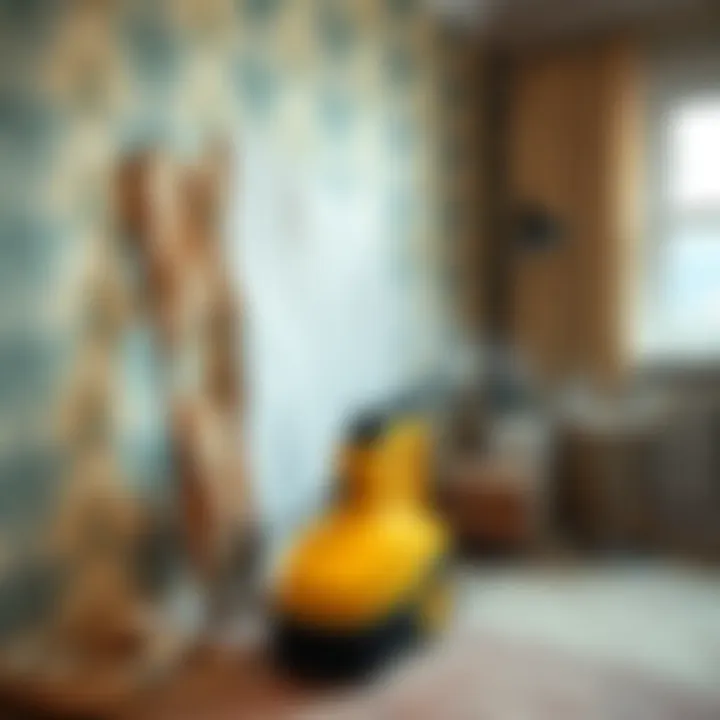
Wall steamers utilize the power of heated water vapor to penetrate and soften the adhesive behind the wallpaper, making it easier to peel off. Unlike chemical solvents that can leave harmful residues or damage surfaces, steamers offer a cleaner alternative that minimizes physical labor and the risk of injury. This makes them particularly appealing to those looking to refresh a room without significant renovation costs.
Design Inspiration
Now, before diving into the nitty-gritty of wallpaper removal, let's discuss how the newly exposed walls can inspire fresh design ideas. Removing outdated wallpaper opens up many possibilities, allowing you to play with colors and textures to better reflect your personal style.
Current Trends in Interior Design
Current trends lean toward minimalism and sophistication. The trend of open spaces encourages homeowners to choose lighter colors that create a sense of openness. Soft pastels, whites, and earth tones can make a room feel airy, while bold colors, when used sparingly, can create decisive focal points. Here’s a look at some trending inspirations:
- Sustainable designs: Incorporating natural materials and finishes can greatly enhance aesthetic appeal. Think wood, stone, and woven fibers.
- Geometric patterns: These can add intrigue to a space, even as a simple accent wall.
- Vintage elements: Pairing old with new gives a dynamic feel. Consider retro furnishings or decorative items alongside contemporary decor.
Color Schemes and Palette Ideas
It’s crucial to select a cohesive color palette that complements your home’s architecture and the furniture you plan to keep. Here are some ideas for palettes that are currently in vogue:
- Warm Neutrals: Colors like beige, taupe, and soft brown cultivate a warm, inviting atmosphere.
- Cool Grays with Accents: A gray base with pops of color, perhaps through furniture or decor, can create a chic, modern environment.
- Earthy Greens and Blues: These hues connect the indoors with nature and are perfect for creating a calming retreat.
Using a wall steamer not only enables you to refresh the wallpaper but also sets the stage for exploring these exciting design trends in your space. By understanding how to remove wallpaper properly, you empower yourself to get the most enjoyment out of your living spaces, paving the way for endless creativity.
"A wall steamer can transform a tedious removal job into a straightforward process, freeing up your time for the fun part—designing!"
For more insightful tips on home improvement, you might find these resources useful: Wikipedia, Britannica,reddit.
Understanding Wallpaper and Its Composition
When tackling wallpaper removal, it becomes vital to grasp the essence of wallpaper itself. Wallpapers aren't just mere decoration; they represent styles, trends, and sometimes, personal stories etched into your walls. With a solid understanding of what types of wallpaper exist and how they’re made, you can navigate the waters of removal more effectively.
Knowing the composition helps not just in removing it, but also in selecting what might go up next. Some wallpapers are tougher than others, and your approach may change depending on what you’re dealing with. This groundwork sets you up for success by providing insight into the different types of materials and adhesives that may be involved. Let's explore the various types of wallpaper to better understand what we might be facing.
Types of Wallpaper
Vinyl Wallpapers
Vinyl wallpapers are quite the heavyweights in the world of wall coverings. Their tough, durable surface makes them a popular choice in homes and businesses alike. One of the key characteristics of vinyl is its ability to resist moisture, making it indispensable in areas like kitchens and bathrooms where water might make other types of wallpaper buckle.
A significant upside to vinyl wallpapers is their wide variety of designs and textures, from chic matte finishes to bold, shiny looks. However, while they are easy to clean, the removal process can pose some challenges. The adhesive bonds created can be fairly strong, which is where a wall steamer can really shine. The warmth of steam penetrates this material, softening the adhesive and making the removal process less cumbersome.
Woven Textiles
Woven textiles offer a touch of elegance that vinyl often cannot match. These wallpapers, made from real fabrics, add softness and texture to any room. One key feature is their high-quality aesthetic appearance, giving a room a lavish feel. However, they are not as moisture resistant as their vinyl counterparts, making them less suitable for high-humidity areas. When you think about removal, woven textiles can be tricky. The fabric can tear easily, and excess water can lead to mold growth and other issues.
They do, however, provide a luxurious touch and can transform a space beautifully if handled with care during removal. Generally, using steam, in this case, must be practiced with caution; it's best to keep the steam application brief and measured to avoid saturating the material.
Paper-Based Options
Paper-based wallpapers represent a more traditional and environmentally friendly choice. They come in various textures and can offer stunning visual appeal. The low cost and availability make paper-based options a popular choice for many homeowners. They breathe better than vinyl, avoiding moisture buildup.
When it comes to removal, this type can be much easier, as they often use water-soluble adhesives. A wall steamer works wonders here to dampen the paper sufficiently so that it peels off with minimal hassle. Still, care must be taken to ensure that the underlying wall is in good condition since these wallpapers can sometimes pull off layers of paint or worse.
Peel and Stick Variants
Peel and stick wallpapers have been growing in favor, particularly among renters and those seeking a quick refresh. These are incredibly user-friendly since they don't require adhesive—a simple peel, and it goes straight on. The standout characteristic of these wallpapers is their adaptability, allowing you to change designs with ease.
However, the downside is that depending on the quality, they can sometimes peel off prematurely or leave adhesive residue when removed. Luckily, with a wall steamer, you can soften the adhesive and make the removal smoother and less prone to damage. This facilitates a more seamless transition to whatever new look you wish to create.
Adhesive Methods Used in Wallpapers
When it comes to removing wallpaper effectively, knowing the adhesive methods used is just as essential as knowing the wallpaper type itself. Each style comes with a different adhesive, influencing how you should approach the removal process.
Water-Soluble Adhesives
Water-soluble adhesives are relatively common in paper-based and some vinyl wallpapers. Their talk about simplicity is spot on since they can usually be softened with water alone. This makes the removal process more straightforward, and a wall steamer makes this job a breeze. The warm steam penetrates and loosens the adhesive, allowing the wallpaper to peel off without much hassle. However, one should still be mindful of how thoroughly the adhesive is softened to avoid damaging the wall beneath it.
Strippable Adhesives
Strippable adhesives are a modern convenience, often touted for their ease of use. They allow the removal of wallpaper without requiring scraping. You simply pull, and it comes off in sheets. This type of adhesive can be very forgiving, but it still benefits from steam treatment; a gentle dose of heat can enhance the process. Just remember not to overdo it, as too much steam can affect the wall’s integrity.
Permanent Adhesives
On the flip side, permanent adhesives can make removal a real challenge. These adhesives are made to hold tough and are often seen in wallpapers that need to last. Here lies the catch: using a wall steamer here isn’t just recommended, it’s necessary. The heat helps break down the bond, but this can also mean more labor and care during the removal process to ensure that there’s no damage to the underlying wall.
Understanding the variety of wallpaper types and adhesives helps to create a clearer picture of what you’re up against. With the right tools and knowledge, the task of removing wallpaper can evolve from a dreaded chore into a manageable DIY project.
The Role of Steam in Wallpaper Removal
The use of steam in wallpaper removal is more than just a method; it's a game changer. The power of steam lies in its ability to penetrate surfaces and dissolve bonds, making it an essential tool for anyone looking to refresh their living space. With steam, the challenge of removing wallpaper can transform from a tedious task into a manageable endeavor. Understanding how steam works in this process allows homeowners to make informed choices.
How Steam Works
In order to appreciate the efficiency of steam for wallpaper removal, it’s vital to grasp the mechanics behind it. This approach involves three primary processes: penetration, breakdown of adhesive bonds, and ease of peeling.
Penetration of Steam into Wallpaper
The beauty of steam is its ability to permeate layers of wallpaper with remarkable efficacy. When the steam is applied, it infiltrates the surface, softening the wallpaper material and loosening its grip on the wall. This process is crucial because the deeper the steam penetrates, the more effective the removal becomes.
A key characteristic of steam penetration is its quick action. Unlike traditional methods that involve soaking the wallpaper, steam only needs a few seconds to start breaking down those stubborn walls. The unique feature of steam penetration is its adaptability to various wallpaper types, making it suitable for vinyl and paper-based options. However, if not carefully monitored, over-application can lead to damaged drywall, which may not be easily repairable. Thus, while steam is an excellent choice for wallpaper removal, some caution is necessary to avoid potential mishaps.
Breaking Down Adhesive Bonds
Another fundamental role of steam in wallpaper removal is its effectiveness in dismantling the adhesive bonds that hold the wallpaper in place. Steam’s heat works wonders here. The combination of high temperature and moisture softens the adhesive, rendering it less tenacious and making it easier for users to pull the wallpaper away from the wall.
The key aspect here is the speed and efficiency with which steam can break down these bonds. This is a popular choice for homeowners looking to minimize effort while maximizing results. Users find that with proper steam application, what might have taken hours using traditional methods can often be done in a fraction of the time. Nevertheless, it’s important to remain aware of the types of adhesives used in your wallpaper, as some may require more patience and repeated steaming than others.
Facilitating Easy Peeling
The final piece of the steam puzzle is its crucial role in making the peeling process not only possible but easy. Once the adhesive has been sufficiently softened through steami, a gentle tug or application of a scraper can lead to swift wallpaper removal.
This characteristic of steam is highly valued by those undertaking the project. Users rave about how the wallpaper comes off almost in one piece, significantly reducing cleanup time. The advantageous aspect of steam facilitating easy peeling is centered around its capacity to transform a potentially frustrating task into a seamless operation; it significantly decreases the risk of tearing the wallpaper and leaving remnants on the wall. On the downside, however, skimming or rushing through the peeling can lead to skipped areas or damaged drywall.
Comparison with Traditional Methods
Understanding the advantages of steam is further enhanced by comparing it with other wallpaper removal techniques. While methods like using plain old water and soaps or scraping can be effective, they often fall short in ease and efficiency.
Using Water and Soaps
Before steam became popular, many homeowners relied on water and soaps as conventional means of removal. This approach often requires scrubbing and soaking, which can be time-consuming and labor-intensive.
The water-and-soap mixture’s characteristic element is its leniency towards wall surfaces, as it does not involve heat. Still, the downside is that it frequently necessitates multiple applications, which can add up to a considerable task.
Scraping Techniques
Scraping techniques generally involve physical removal, often requiring tools such as blades or scrapers. This method can seem intuitive but may come with risks such as gouging or scratching the wall surface.
A key advantage of scraping, however, is that it requires no additional equipment, putting it in the "anyone can do it" category. Yet, as many experienced DIYers can attest, it can lead to more frustration than it's worth, especially with stubborn wallpaper.
Impact on Wall Surface
One notable consideration when comparing steam with traditional removal methods is the impact on the wall surface itself. Steam, if done right, is less likely to cause damage compared to other methods that might require more aggressive approaches.
The physicality of scraping or prolonged soaking with water can easily result in wall damage, which is not something any homeowner wants to deal with after removing wallpaper. Understanding this aspect matters because it can save significant time and resources when it comes to repairs and re-prepping for new wallpaper or paint.
In summary, the role of steam in wallpaper removal is multifold, offering myriad benefits over traditional methods. By grasping the intricate dynamics of this process, homeowners can tackle wallpaper removal with confidence and ease.
Choosing the Right Wall Steamer
Choosing the appropriate wall steamer is crucial for anyone looking to remove wallpaper effectively, whether you're a seasoned handyman or a first-time DIYer. The right steamer not only simplifies the process but can also save time, effort, and potential damage to your walls. Understanding the various features that different models offer helps in making an informed decision, ensuring that your wallpaper removal project goes off without a hitch.
Features to Consider
Tank Size and Capacity
Tank size isn’t just a detail; it’s a significant aspect to think about when selecting a wall steamer. The capacity determines how much water can be heated at once, directly influencing how often you'll need to stop and refill. A larger tank means longer continuous steaming sessions, which is helpful for extensive wallpaper removal projects. For instance, a model with a two-liter tank may allow you to work longer without interruption compared to smaller alternatives. However, keep in mind that heavier units can be more cumbersome to maneuver, so finding a balance is key.
Steam Pressure and Output
Steam pressure and output relate to how effectively the steamer can penetrate wallpaper and adhesive. High steam pressure results in more powerful, focused steam that can break down stubborn adhesives more efficiently. For wallpaper removal, a steamer that offers at least 50 psi of pressure generally performs well. However, excessive pressure can risk damaging your wall surfaces, so it is essential to choose a model with adjustable settings to tailor the output to your specific needs.
Portability and Design
The design and portability of a wall steamer affect user experience significantly. A lighter model with wheels or a compact design allows for easier movement, especially in larger rooms or spaces with obstacles like furniture. Moreover, a long power cord and flexible hose can provide the reach needed without frequent repositioning. Some users might prefer models that come with ergonomic handles, reducing strain during prolonged use.
Top Brands and Models
Popular Consumer Choices
For homeowners, consumer-friendly options are often the go-to. Many people lean towards brands like Black+Decker or Bissell, known for their reliability and efficiency. These models often come equipped with user-friendly features and reasonable pricing, making them attractive for less intense renovations. Their lighter weight and ease of use cater to those who might not feel confident tackling a DIY project. However, the trade-off can be lower steam pressure.
Professional Models
If you're looking for something more robust, professional models such as those made by Dupray or Wagner can be worthwhile investments. These devices typically come with higher steam outputs and more durable builds, able to handle multiple jobs or heavy-duty renovations regularly. Their price points are higher, but they offer the reliability needed for extensive work, often featuring longer hoses and larger tanks to minimize downtime.
Budget Options
For those working with tight budgets, options like SteamFast or McCulloch provide decent functionality without breaking the bank. These less-expensive choices may lack advanced features but still get the job done effectively for small-scale jobs, making them ideal for temporary or light use. Just be mindful; lower-end models might require more frequent refills or have less powerful steam, which can slow down the wallpaper removal process.
In summary, selecting the right wall steamer boils down to understanding your needs and weighing the features against your potential workload. Invest time in thorough research to find the model that will facilitate your project while minimizing frustrations.
Preparing the Room for Wallpaper Removal
Before diving into the wallpaper removal process, it's crucial to prepare the area where the work will take place. This preparation not only makes the task easier but also protects your home from potential damage.
Clearing the Space
Removing Furniture and Decorations
When you're about to embark on a wallpaper removal journey, the first step is clearing the room of any furniture and decorations. This move might seem mundane, but it plays a vital role in ensuring a smooth process. Without obstacles in the way, you can maneuver freely and avoid accidental damage to your belongings. Furthermore, it allows for better visibility of the walls, making it easier to spot any areas that may require special attention.
Among the key characteristics of this step is the ability to set up a dedicated working space. Removing furniture creates an open area where you can safely operate the wall steamer and other tools. Just imagine trying to navigate around an armchair or a long table while handling hot steam! A clean slate is indeed the best choice here. The downside? It might feel like a bit of a hassle at the start, but the time saved during the actual removal process will outweigh any initial inconvenience.
Protecting Floors and Fixtures
Once the furniture is out of the way, the next priority is protecting your floors and fixtures. This step is non-negotiable if you want to avoid an unintended mess. If not correctly addressed, steam can cause water damage to floors and walls.
One option is to lay down drop cloths or old sheets to absorb any excess water that might escape during the steaming process. The advantage? They can catch drops and splashes, thereby protecting your flooring and fixtures from stains or water marks, which can become a real nuisance. You might also consider moving delicate fixtures or items that can’t be easily cleaned to another room, ensuring they're out of harm's way. Taking these precautions saves not only your flooring but also your peace of mind.
Ensuring Adequate Ventilation
Don't underestimate the importance of proper ventilation. When using a wall steamer, it's easy for moisture to build up in a closed space. This extra humidity can pose a few unintended challenges, including mold growth, which you'd want to avoid at all costs.
Open windows and doors to allow fresh air to circulate, and utilize fans to promote airflow. This ensures that any steam that escapes can dissipate rather than linger in the room. Adequate ventilation might be a small detail, but it’s a game-changer, especially in thicker, older homes where humidity levels can soar. Overall, having a well-aired space while you work helps maintain a comfortable environment and protects the integrity of both your walls and furniture.
Gathering Necessary Supplies
Once the room is prepped, the next move is to gather all necessary supplies. It's time to create your very own toolkit for wallpaper removal.
Wall Steamer and Extension Cords
Having a reliable wall steamer is crucial. Make sure that it has sufficient capacity for your project. Alongside this, an extension cord can be invaluable, especially if your power outlet is far off. This feature allows for seamless movements across the room without the hassle of searching for sockets.
The key characteristic of needing extension cords can often be overlooked, yet, once you’re knee-deep in paper and steam, you’ll realize how beneficial it is. Without it, you could end up juggling things awkwardly, which is not ideal while working with hot steam. Thus, having an extra-long cord ensures this task can be executed swiftly and safely.
Scrapers and Sponges
After steaming, you’ll need tools to peel off the loosened wallpaper. Scrapers and sponges become your best friends here. Scrapers, with their sharp edges, can lift the material easily, while sponges help to wipe down surfaces to remove any leftover adhesive.
These are popular choices because they complement the efficiency of steam perfectly. By using scrapers and sponges in tandem, you can ensure a thorough job is done, with minimal leftover residue. Just take care while choosing your scrapers; it’s easy to scratch the wall if you’re not cautious.
Drop Cloths and Trash Bags
As wallpaper removal can get quite messy, having adequate drop cloths to safeguard your floors and trash bags for waste is essential. Drop cloths catch any debris that falls during the demolition, while trash bags will collect the old wallpaper remnants.
The unique feature of this continues to be its practicality. It all comes down to minimizing cleanup post-project. Having these items close at hand means you won’t spend hours cleaning after your job is done, getting you one step closer to your freshly designed space.
"Proper preparation is the key to effective wallpaper removal. It’s worth the effort!"
Overall, successfully preparing the room involves clearing your space, protecting what you need to, ensuring ventilation, and gathering the right supplies. By following these steps, you’ll set the stage for an efficient and effective wallpaper removal experience.
Step-by-Step Wallpaper Removal Process
Removing wallpaper can feel like a daunting task, but breaking it down into a step-by-step process makes it not just manageable, but efficient. Understanding this process is crucial for anyone wishing to transform their home. Using a wall steamer provides a distinct advantage by harnessing the power of steam to loosen adhesives, making the stripping process smoother and quicker. With proper execution, the entire endeavor can minimize wall damage and allow for a fresh start on new decor.
Setting Up the Wall Steamer
Filling the Tank
The first step in using a wall steamer involves filling its tank with water. This may seem trivial, but it’s the foundation for effective wallpaper removal. A full tank is essential to ensure consistent steam output, which is vital for softening the wallpaper adhesive effectively. Many models come with a large-capacity tank; a feature that can save you the hassle of frequent refills while you work.
On a practical note, using distilled water can prolong the life of your steamer by preventing mineral build-up, making it a smart choice.
Heating Time and Indicators
Once the tank is filled, the next step is letting the steamer heat up. Every model has different heating times, but generally, it takes a few minutes. The presence of heating indicators on the device is a key characteristic to look for. They alert you when the steamer is ready, allowing you to plan the timing of your removal process accurately.
Understanding these indicators helps users avoid missteps—like starting the wallpaper removal too soon or too late, both of which can be detrimental to the outcome.
Adjusting Steam Settings
Another critical aspect is the ability to adjust steam settings. Many models come equipped with various steam levels, which cater to different wallpaper types and conditions. Being able to increase or decrease steam pressure is beneficial because some wallpapers react better to specific levels of steam.
This feature also helps in reducing the risk of wall damage; using excessive steam isn't always necessary, and just right settings can make a world of difference.
Applying Steam to the Wallpaper
Strategy for Steaming
Employing a strategic approach to steaming can greatly enhance the effectiveness of the removal. Focusing on a section of the wallpaper for several moments before peeling allows steam to thoroughly penetrate. A back-and-forth motion while applying steam ensures an even application. This targeted approach reduces effort and maximizes results, ensuring that the wallpaper loosens without needing excessive scrapes or force.
Targeting Edges and Corners
When applying steam, don’t overlook the edges and corners where wallpaper tends to cling tighter. These areas require extra attention due to their tendency to be coated with more adhesive. Mastering this aspect means achieving a smoother, cleaner removal, thus preventing further damage to your walls. It’s wise to use a smaller steamer attachment specifically designed for this purpose, providing more concentrated steam where it’s needed most.
Timing and Technique
Timing is everything in the steaming process. Don’t rush it; waiting just long enough before peeling can make all the difference, ensuring that the adhesive has softened adequately. Using a gentle circular motion when starting to peel the wallpaper can minimize tearing or ripping.
Balancing between patience and agility here is key. Too much haste can lead to broken strips, while waiting too long may lead to ineffective steaming. Fine-tuning this skill takes practice, but it’s an essential part of a successful wallpaper removal.
Peeling Off the Wallpaper
Using Scrapers Effectively
After applying steam and allowing it to work, it's time to peel. Using scrapers effectively is an art unto itself. The right angle and pressure are paramount—too little pressure won’t lift the paper, while too much could gouge your walls. A straight-edged plastic scraper is often the best option. Its comfortable grip will make your task easier while preserving the integrity of your wall.
Gently Lifting the Material
Lifting the material must be done with care after the initial pass with steam. The adhesive should now be sufficiently soft, allowing you to peel without aggression. Start from a corner, gently pulling back the wallpaper as the residue comes along for the ride. If the paper begins to resist, don’t force it; simply reapply steam and let it soften again. This approach ensures a cleaner removal, making it easier to prep your walls for a fresh coat.
Identifying Problem Areas
During the peeling process, you may encounter stubborn spots that refuse to come off. Identifying these areas early can save a lot of effort down the line. Perhaps the wallpaper is more robust, or the adhesive is particularly tenacious. Recognizing this can prompt a more strategic use of steam or scraping techniques in the future, making your workflow more efficient.
Ultimately, the success of your wallpaper removal hinges on a thorough understanding and execution of this step-by-step process. Investing a little time in preparation can yield remarkably efficient results.
Post-Removal Care
Once the last scrap of wallpaper is off the wall, the job is not quite done. Post-removal care is a pivotal step in ensuring that your walls are ready for whatever comes next, whether it’s a fresh coat of paint or a stylish new wallpaper. Proper care not only enhances the longevity of your wall surfaces but also sets the stage for a flawless finish in your decorating endeavors.
Cleaning the Surface
Removing Residual Adhesive
After you’ve peeled away the wallpaper, there’s often a sticky residue left behind, like an uninvited guest that just won’t leave. Tackling this leftover adhesive is crucial because it can interfere with paint or new wallpaper application. Using soapy water or a mixture of vinegar and water can do wonders here. A gentle scrub with a sponge or cloth helps lift this residue without damaging the wall's surface.
Another method, often cited as effective, is to use a commercial adhesive remover, which can save time and effort. Keep in mind the key characteristic of this step: cleaning the surface thoroughly can prevent future complications, making it a wise choice for any DIY home project feel like a breeze. The unique feature of addressing this residue not only cleans but also prepares the surface optimally, ensuring that your next decor application sticks well.
Assessing Wall Damage
Once the surface is clean, assessing for any damage is next on the agenda. Look carefully for any blemishes, holes, or peeling areas. Understanding the state of your walls can save you from headaches further down the line.
This step is beneficial because it helps identify what needs repair or touch-up before applying new wallpaper or paint. The unique feature of assessing wall damage means you can rectify these problems while they’re still small, avoiding bigger issues later.
Preparing for New Wallpaper or Paint
Finally, the stage is set for what comes next: new wallpaper or paint. Ensuring the wall is smooth and clean, free from dust or debris, is significant for a fresh start. This preparation acts as a bridge between the old and the new — a canvas ready for a makeover.
This choice is beneficial as it guarantees that whatever you put on next adheres firmly and appears as intended. Properly preparing the wall might involve applying a primer, particularly if the previous wallpaper was bold or dark. A unique feature of this step is that it transforms your wall into a truly inviting surface, ensuring a professional finish that speaks volumes about your attention to detail.
Caring for Your Wall Steamer
Regular Maintenance Tips
To stretch the life of your wall steamer, incorporating regular maintenance into your routine is important. This means cleaning the tank, inspecting hoses, and changing out any necessary filters as recommended by the manufacturer. Maintaining your equipment can save you money in the long run, preventing issues that can arise from neglect, such as clogs.
A key characteristic of regular maintenance is that it ensures consistent performance. Ensuring the steamer is in top shape means you’ll have reliable tool ready whenever the wallpaper removal task calls.
Dealing with Mineral Deposits
If you live in an area with hard water, you may notice mineral deposits building up inside your steamer. These can hinder steam production and overall performance. Addressing this problem involves descaling the steamer with vinegar or a specialized cleaner designed for such issues.
This step is popular because it helps maintain the efficiency of your steamer. A unique feature of managing mineral deposits is that it enhances the device’s longevity, ensuring it remains just as effective for the next project.
Storing the Steamer Properly
Last but not least, how you store your wall steamer can make all the difference. Ensure it’s stored in a cool, dry place, and consider keeping it upright if possible to help preserve its components. This simple practice can avoid accidental damage caused by dropping or jostling it.
The key characteristic of properly storing your wall steamer is that it can prolong its lifespan significantly. Avoiding clutter and ensuring that your device doesn’t face unnecessary strain prepares it for its next use while keeping everything in good shape.
Remember, looking after both your walls and your wallpaper removal equipment is what separates a decorator from a DIY aficionado. Proper steps post-removal ensure continued success in your home improvement journey.
Common Challenges and Solutions
In any DIY project, particularly one as intricate as wallpaper removal, it's not uncommon to encounter a few bumps along the road. Addressing common challenges head-on can make the task smoother and more efficient. This section will explore these hurdles and offer practical solutions, emphasizing the importance of preparation and proper techniques. When you know what to foresee and how to tackle it, the journey of transforming your space becomes less daunting.
Stubborn Wallpaper Issues
In many cases, the wallpaper isn't just going to roll off easily. Stubborn wallpaper, especially those adhesive types, can put up a fight. Gaining insight into issues like difficult spots and layers can save you heaps of frustration.
How to Tackle Difficult Spots
Difficult spots, often found in corners or edges, might seem minor but they can derail your efforts. Identifying these spots early helps in strategizing your approach. Using the wall steamer directly on these areas can soften the adhesive quickly. A good tip is to hold the steamer just a bit longer in these spots; the added steam can loosen up the stubborn wallpaper significantly. Tackling these spots promptly prevents excessive peeling or damage.
The unique advantage of focusing on difficult spots is that you're ensuring no corner is left behind, leading to a cleaner removal overall. But remember, patience is key; rushing through these areas might lead to more hassle down the line.
Multiple Layers of Wallpaper
Dealing with multiple layers of wallpaper throws another wrench in your plans. This situation often leads to reduced efficacy of steam because the energy dissipates across layers. However, knowing that steam can penetrate multiple layers when used correctly is a game changer.
When you encounter layers, take your time. Apply steam longer and be more methodical while scraping. Sometimes, scoring the surface lightly with a utility knife before steaming can work wonders. This way, both layers can be attacked without too much elbow grease. On the downside, removing multiple layers can be tricky and time-consuming. Still, with the right tactics, you’ll have a blank canvas faster than you thought.
Dealing with Damaged Walls
It's not just about removing wallpaper; it's also about what lies underneath. You might be surprised to find damage behind that old paper, such as peeling paint or cracked plaster. It's essential to address these issues before putting on a fresh coat of paint or new wallpaper.
In this case, not only is surface cleaning essential, but knowing how to patch up imperfections is crucial. Finding and fixing those damaged spots helps in achieving a professionally finished look. Moreover, understanding the extent of the damage helps you decide whether you need to call in a pro. The balance here is knowing when to tackle repairs yourself and when it’s wise to call for help, which can make or break the success of your project.
Safety Precautions
Safety is paramount when working with heavy equipment and steam. Taking mental notes and following precautionary measures ensures that the wallpaper removal process remains safe and efficient. Here, we will discuss essential safety factors like handling steam burns, electrical concerns, and ensuring adequate ventilation during the process.
Handling Steam Burns
Steam burns are no joke. When using a wall steamer, ignoring safety protocols can lead to serious burns. Always handle the nozzle with care and wear protective gloves. Knowing how to maneuver the steamer safely keeps accidents at bay. The unique feature here is that steam, while an excellent tool for removal, can be hazardous if you get too close.
Ideally, stay a good distance from the nozzle and focus your attention downwards. It’s also advisable to operate on lower settings initially to gauge the steam output and learn its behavior.
Electrical Safety
Using electrical equipment always carries risk. Proper electrical safety is critical when utilizing your wall steamer. Before plugging it in, ensure that your work area is free of any moisture or potential hazards. It’s best to have a grounded outlet.
A peak characteristic of applying electrical safety standards is falling back on routine checks. Making sure cords are intact without frays or splits can prevent unfortunate accidents. Using extension cords wisely ensures that the steamer reaches all corners of the room without putting undue stress on the electrical outlet.
Proper Ventilation
Proper ventilation plays an often overlooked but crucial role in steam wallpaper removal. Allowing fresh air to circulate keeps the work environment comfortable and helps dry up any excessive moisture in the room. Ensuring proper ventilation can mitigate the risks of mold and mildew build-up due to humidity.
A unique approach is to open windows or use fans to aid airflow. It's surprising how effective simply allowing fresh air in can be in keeping the project safe and your space healthy. This simple practice will not only elevate your safety but enhance the overall efficiency of the removal process.