
Effective Colour Combinations for Stylish Bathrooms
Intro
Choosing the right colours for your bathroom might seem like a small detail in the grand scheme of home design. However, the hues you select have a tremendous impact on how the space feels and how you perceive it. The bathroom, often termed a place of refuge, deserves careful consideration when it comes to colour combinations. Here, we will explore how various palettes can not only enhance the aesthetic appeal of your bathroom but also influence your mood and the overall atmosphere.
In the realm of interiors, a well-thought-out colour scheme can breathe life into your space. Whether you are aiming for a serene spa-like retreat or a vibrant, energizing washroom, understanding the basics of colour theory and its application in your bathroom can open up a world of possibilities.
This section will touch upon:
- The connection between colour, space perception, and daily mood.
- Practical guidelines for picking out the best palettes.
- Contemporary trends juxtaposed with classic schemes.
The journey into this exploration of colours begins with design inspiration.
Design Inspiration
Current Trends in Interior Design
As we embark on our exploration, let’s dive into what’s hot in the world of bathroom design. Trends nowadays are leaning towards calm neutrals and pastel tones, which help create a tranquil vibe. Soft colours like muted greens and gentle blues are proving to be appealing choices. They not only reflect cleanliness but also infuse a sense of peace.
On the other hand, some homeowners are opting for bold splashes of colour. Think deep navy against crisp white or even a daring orange accent wall that contrasts with pastel fixtures. Trending elements often include:
- Matte finishes for all surfaces, providing a contemporary look.
- Natural materials and textures, harmoniously paired with the right colour.
- Smart storage solutions, where colour plays a role in keeping things visually appealing.
Color Schemes and Palette Ideas
When it comes to selecting a colour scheme for your bathroom, it’s essential to find a balance. Here are some popular combinations that might just light your creative spark:
- Cool Tones: Light blues, soft grays, and crisp whites can open up small spaces, making them feel larger and more airy.
- Earthy Neutrals: Shades of beige, terracotta, and muted greens promote a grounded atmosphere, reminiscent of nature.
- Classic Combinations: Black and white never go out of style, creating a timeless and elegant look.
"Choosing the right colours in a bathroom can elevate your daily living experiences into something truly beautiful."
When experimenting with colour, consider the intensity. Lighter shades can create a sense of spaciousness while deeper hues bring a certain richness to the design. Layering with accessories like towels and rugs can also help in achieving desired combinations without overwhelming the senses.
To wrap things up, brainstorming colour schemes not only involves visual aesthetics but also taps into emotional responses to the chosen shades. The right palette can transform your bathroom into a sanctuary where you can wash away the day’s stress.
Understanding Colour Theory
When considering renovations or a fresh look for your bathroom, grasping the ins and outs of colour theory is paramount. It serves as the backbone for any effective design, helping you select hues that not only complement one another, but also influence the atmosphere of your space. Understanding this theory brings several benefits – it can vastly enhance the aesthetic appeal, dictate how spacious or cozy a room feels, and even affect the mood of those who use it.
Knowing basic colour principles and how colours affect emotions is essential for homeowners and designers alike. After all, choosing the wrong palette can lead to an uninspired environment that leaves the user feeling cramped or uneasy. Colour theory helps to create a balance that is pleasing to the eye and functional in everyday use.
This section will guide you through the essential components of colour theory, starting with the basics, then jumping into how colours interact psychologically. With a solid foundation in colour principles, you'll be better equipped to create a bathroom space that is not only beautiful but feels like a true reflection of your personality and style.
The Basics of Colour Principles
When it comes to colour, think of it as a language. Each shade, hue, and tint conveys meaning, and knowing how they interact can make all the difference. Let’s break down the key elements of colour principles:
- Primary Colours: These are the building blocks of all other colours. Red, blue, and yellow are the only three that can't be created by blending others.
- Secondary Colours: Mixing primary colours results in secondary ones like green, orange, and purple.
- Tertiary Colours: These are made by mixing primary and secondary colours, like blue-green or red-orange.
- Warm vs. Cool Tones: Warm colours (like yellows and reds) feel inviting and energizing, while cool colours (such as blues and greens) can have a calming effect.
- Neutral Tones: Whites, grays, and beiges often serve as a backdrop, allowing other colours to shine, making them versatile in the bathroom realm.
Gaining insights into how these principles operate lets you experiment with combinations that alter the perception of space. For example, lighter shades can make a small bathroom feel more spacious, while darker colours may create a cozy retreat.
The Psychological Effects of Colour
Colour doesn't just decorate a room; it also shapes emotions and moods, acting like a silent yet powerful influence. For instance, blues are often linked to relaxation and tranquillity, making them a popular choice for a soothing bathroom environment. On the flip side, yellows tend to energize and uplift, which could be an ideal choice for those who wish to start their day on a vibrant note.
Here are some common colours and their psychological effects in the context of a bathroom:
- Green: Represents nature and restoration, perfect for a fresh, organic feel.
- Gray: Conveys sophistication but can seem cold if overused, so balance it with warmer accents.
- Red: A bold choice that can infuse energy, caution is needed; it may feel aggressive in a confined space.
- White: Symbolizes cleanliness and serenity, a classic yet timeless choice.
"The right colour can elevate your bathroom from a mere functional space to a personal sanctuary."
Being mindful of these psychological implications can guide you towards making informed choices that resonate with your lifestyle and preferences. With the fundamentals of colour theories down pat, you're equipped to craft a bathroom that is not just functional but also feels right in both style and atmosphere.
Assessing Bathroom Space


Understanding the dynamics of bathroom space is crucial when selecting effective colour combinations. This assessment enables homeowners and designers to leverage the size, layout, and existing features of the bathroom, resulting in a thoughtfully designed area that feels open and welcoming. It’s all about finding the sweet spot between aesthetics and functionality.
Size Considerations
When it comes to colour combinations, size matters. Small bathrooms can pose unique challenges when choosing the right palette. Lighter hues, such as soft whites, pale blues, and gentle pastels, tend to create an illusion of more space. They bounce light around, making even the coziest bathroom feel airy. On the flip side, dark colours, while chic, can make a room feel tighter unless paired correctly and judiciously. For example, if using a darker shade for one wall, consider painting the others in a lighter tone to maintain balance.
- Tip: A strategic approach is to apply a dark colour to one accent wall, which can add depth without overwhelming the space.
- Also, consider vertical stripes in a small bathroom to draw the eye upward, giving a sensation of height.
Lighting and Its Role in Colour Perception
Lighting is a game changer. Natural light is ideal, but we often have to work within the limitations of artificial sources. Different types of lights can alter how colours appear. For instance, incandescent bulbs emit warmth, enhancing reds and oranges, while fluorescent lights can cast a cooler tone, affecting blues and greens.
- Warm white bulbs are often best when trying to create a relaxing atmosphere and can work well with earthy tones.
- Cool white bulbs can bring out the crispness in grays or blues, making them feel fresher.
"Light can make or break the mood of a space. When it comes to colour, it’s not just about what you choose, but how those choices interact with the light present in the room."
In summary, assessing your bathroom space involves more than mere measurements. It requires thoughtful consideration of size, layout, and lighting. A well-thought-out plan can lead to a harmonious and stylish bathroom that integrates colour effectively and enhances one’s experience in the space.
For more in-depth discussions on design, consider resources from Wikipedia or The Balance.
Popular Colour Combinations
The choice of colour in a bathroom is not just an aesthetic decision; it has profound impacts on mood, perception of space, and overall design. In a room where relaxation and self-care are keys, selecting effective colour combinations can enhance your experience significantly. A well-chosen palette can create a sanctuary, transform a small space, or unify disparate design elements. Let's dive into some popular colour schemes that work wonders in transforming bathrooms into personal havens.
Monochromatic Schemes
Choosing Shades of One Colour
Monochromatic schemes revolve around utilizing varying shades of a single hue, which can provide a serene, cohesive feel in a bathroom. This approach is particularly appealing because it eliminates the often difficult decisions that come with selecting complementary hues. The key characteristic of choosing shades of one colour is simplicity; it offers a streamlined look and creates a sense of tranquility.
The unique feature of this strategy lies in its versatility. For instance, soft greys can form an elegant backdrop while adding depth through darker shades or playful patterns in towels and accessories. However, the downside is that varying shades may lack visual excitement, making it crucial to incorporate textures or patterns to keep the eye engaged.
Creating Visual Interest with Textures
Creating visual interest with textures is fundamental when working with a monochromatic palette. Textures can breathe life into what might otherwise feel like a flat or monotonous selection. Whether it be through tiles that have a slight sheen, plush bath mats, or woven baskets, the interaction of light and materials enhances depth.
A key aspect of using texture is its ability to break up visual space while maintaining colour harmony. Incorporating textured elements can make monochromatic schemes feel vibrant rather than dull, especially within a smaller bathroom where it’s easy for simplicity to tip into blandness.
Complementary Colours
Finding Balance Between Opposing Hues
Complementary colour schemes draw on hues opposite each other on the colour wheel, creating bold yet balanced combinations. This method enhances visual stimulation and can energize a space, making it feel more alive. A classic example includes pairing blue with orange or purple with yellow. The key characteristic here is contrast; the vibrancy of these opposing hues can dramatically alter the feel of your bathroom.
The unique feature of this approach is how effectively it draws the eye around the room, making it dynamic and captivating. That said, it can be a tricky tightrope to walk; too much contrast can create a chaotic feel, so careful calibration is critical here to achieve that zen-like balance.
Practical Examples for Bath Spaces
When thinking about practical examples for bathroom spaces, combining colours like a deep teal with bright coral can be striking yet stylish, particularly in a larger space where the impact can be fully appreciated. However, in smaller spaces, using feature walls or accessories in complementary colours, while keeping most elements in neutral tones, ensures the room doesn’t feel overwhelmed. The beauty of this scheme is in how it can cater to all tastes, allowing for both subtle expression and bold statements depending on your intent.
Analogous Colour Palettes
Using Neighbouring Colours for Harmony
Analogous colour palettes feature colours that sit next to one another on the colour wheel, fostering a serene and harmonious environment. This approach is particularly beneficial in bathrooms, where a calm atmosphere is desirable. The key characteristic of an analogous scheme is synergy; the colours work in tandem, creating a soothing effect.
What makes this style useful is its flexibility. By using three shades, like blue, blue-green, and green, one can establish a fluid transition that feels inviting. A potential disadvantage is that such combinations can sometimes become oversaturated if not carefully considered, creating a monotonous feel if additional elements or contrasts are not utilized.
Implementing in Small Bathrooms
In small bathrooms, implementing analogous colours can create a feeling of spaciousness. By sticking to a few similar tones used in tiles, paint, and fabric, one can trick the eye into perceiving more depth. A key feature of this strategy is how it helps to maintain a cohesive style, making smaller spaces feel inviting rather than cramped. However, the challenge involves making sure to intersperse different textures or reflective materials to prevent the room from feeling closed in.
Contrasting Accents
When to Use Bold Colours
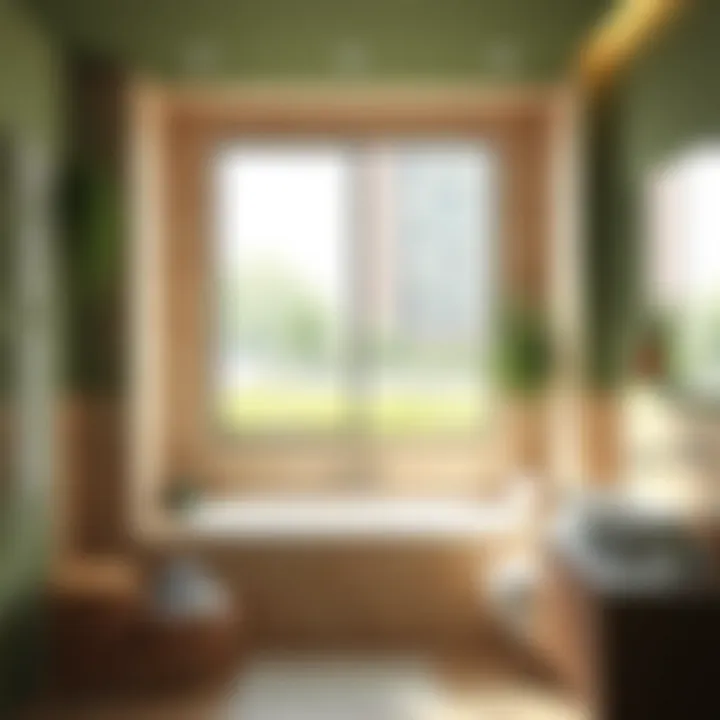
The use of bold colours as accents offers an exciting way to incorporate flair without overwhelming the overall palette of your bathroom. This approach is particularly beneficial as it allows for personalization and a demonstration of character through small but impactful choices. The key characteristic of this tactic is accentuation; bold colours draw attention and can highlight architectural features or fixtures effectively.
When thinking about unique features, well-placed bold tones can create focal points, such as a vibrant red sink or navy blue shelves, adding a layer of intricacy to the space. The downside is the possibility of overshadowing other design elements if not carefully integrated.
Effective Placement of Accent Shades
Effective placement of accent shades is crucial in determining the overall impact of your colour scheme. It involves carefully considering where to introduce those standout colours in a bathroom design, be it through wall art, lighting fixtures, or towels. A well-placed accent creates focal points that guide the eye and enhance the flow of the room.
The characteristic strength of this strategy lies in its adaptability; it allows for changes across seasons or trends without a full overhaul of the existing design. However, a strong caution lies in overdoing it; too many bold accents can lead to visual chaos, which might detract from an otherwise serene bathroom.
Trends in Bathroom Colour Schemes
Staying current with trends in bathroom colour schemes is not just about aesthetics; it has a profound impact on how the space feels and functions. In an era where personal expression is key, the bathroom has emerged as more than just a utility space. It’s a sanctuary where people unwind and rejuvenate. Knowing the popular colour trends can guide homeowners and designers in creating an inviting environment that resonates with warmth and style.
By understanding what’s en vogue, you can infuse life into your bathroom. It’s crucial to keep in mind that colour choices affect not only mood but also the perceived size and brightness of the space. From earthy tones that conjure a sense of nature, to pastel shades that evoke calmness, and bold hues that make a statement, there’s an array of palettes to explore.
Earthy Tones
Earthy tones like terracotta, olive green, and sandy beige are gaining traction in bathroom designs. These colours create a calming atmosphere, reminiscent of the great outdoors. They bring with them a sense of grounding, making the room feel more tranquil.
- Benefits of Earthy Tones:
- Warmth: Earthy shades can make a bathroom feel cozy and inviting.
- Versatility: They pair well with both modern and traditional fixtures.
- Natural Vibe: Enhances the connection with nature, especially when complemented with wooden elements or greenery.
Using earthy tones is not just about slapping on a coat of paint. It can involve a mix of textures. For instance, terracotta tiles with a touch of olive in the accessories can create a visually striking balance. A bathroom rich in earthy tones invites one to relax and soak in the ambiance.
Pastel Shades
Pastel colours like soft pinks, mint greens, and baby blues are trending as well. Such shades lend an airy feel to the bathroom, making it feel more spacious than it may be. They can also foster a serene environment, ideal for unwinding after a long day.
- Considerations for Using Pastel Shades:
- Lighting: Natural light can enhance the beauty of pastel colours. Ensure windows are unobstructed for maximum impact.
- Accent Pieces: Combine pastels with neutral fixtures or darker accents to prevent the space from feeling too sterile.
- Textures: Incorporate soft linens, textured towels, and patterned tiles to add depth to the overall design.
A well-executed pastel scheme has the potential to transform a mundane bathroom into a dreamy escape, especially when paired with soft lighting and polished finishes.
Bold and Dark Hues
On the other end of the spectrum, bold and dark hues—like navy blue, forest green, or deep burgundy—are making a mark in contemporary bathroom designs. These colours add drama and sophistication, creating a focal point that draws people in.
- Key Aspects to Remember with Dark Colours:
- Balance is Key: Use lighter tones or white fixtures to offset bold colours, preventing the space from feeling overly confined.
- Strategic Lighting: Sufficient lighting is vital to ensure the space remains inviting. Dimmers can create a cozy atmosphere while avoiding darkness that can amplify any gloominess.
- Texture Variety: Incorporating various textures—such as glossy tiles with matte fixtures—creates visual interest even in darker shades.
Utilizing bold colours opens the floor for personal expression, allowing for standout designs that leave a lasting impression.
"Choosing the right colour scheme can transform your bathroom from bland to grand. Pay attention to the hues and how they interact within the space."
The bathroom is a canvas waiting to be painted, and keeping abreast of these trends enables homeowners to elevate their spaces, ensuring every detail harmonizes beautifully.
Selecting Fixtures and Furnishings
Choosing the right fixtures and furnishings for your bathroom is not just about functionality; it greatly impacts the overall aesthetic and vibe of the space. Fixtures, such as sinks, taps, and lighting, play a crucial role in establishing a harmonious design while ensuring comfort and practicality. Furnishings, from mirrors to cabinets, serve both a utilitarian and decorative purpose, making them essential components of bathroom planning. The interplay between colours and these elements can either enhance or overwhelm a space, making conscious selection vital for creating the desired bathroom atmosphere. This section delves into strategies for making intelligent choices regarding fixtures and furnishings to harmonize with your selected colour scheme.
Choosing Fixtures That Complement Colour
When selecting fixtures, the goal is to ensure that they not only serve their purpose but also seamlessly blend with the overall colour palette of the bathroom. Fixtures can significantly alter the perception of space. For instance, a sleek chrome faucet can pop against a backdrop of deep or muted hues, elevating the sophistication of the bathroom. Conversely, an antique brass fixture might add warmth to a pastel-themed setting, creating a rustic yet refined feel.
Here are key factors to consider when choosing complementary fixtures:
- Finish: The finish of your fixtures – matte, glossy, or brushed – can influence how they reflect light and consequently impact the colour’s appearance.
- Shape and Design: Modern geometric shapes can evoke a minimalist style, while ornate designs might lean into traditional aesthetics. This alignment should echo the colour choices to maintain a cohesive look.
- Scale: Larger fixtures in a small bathroom might feel overwhelmingly dominant, while petite fixtures can sometimes be overlooked. It's essential to find a good equilibrium.
Incorporating Textiles
Textiles are more than mere decor; they can transform the atmosphere of your bathroom. They add softness and warmth, countering the hard surfaces often found in bathrooms. The proper choice of textiles is instrumental in accentuating colours and enhancing comfort. Bath mats, towels, curtains, and other accessories can weave your design together into a cohesive narrative.
Effects of Towels and Rugs
Towels and rugs are particularly impactful elements. They introduce colour and texture, creating visual warmth. A plush towel in a vibrant colour can act as a focal point, drawing the eye and enlivening an otherwise neutral palette. Furthermore, textured bath mats can act as a tactile pleasure, particularly in colder months, offering not just aesthetic but also practical advantages.
The distinctive feature of towels and rugs lies in their ability to be swapped out with minimal effort. Unlike permanent fixtures, they allow homeowners to experiment with different hues or patterns without a massive investment. However, it’s crucial to choose materials that resist mold and mildew, ensuring that your choices contribute to a hygienic bathroom environment.
Choosing Shower Curtains and Accessories
When it comes to shower curtains and accessories, they serve as excellent opportunities to introduce colour and personality into the bathroom. A bold shower curtain can make a statement, even if the rest of the room is understated. Whether it be a floral print or a solid block of colour, the curtain draws attention and can set the tone for the entire space.
Accessories such as soap dispensers, toothbrush holders, and wall art should also harmonize with your main colour scheme. When thoughtfully selected, they can enhance the overall design without overwhelming the viewer. One unique characteristic of these items is their ability to act as a reflection of personal style, allowing the homeowner to express themselves through even the smallest of details. Just like towels, these accessories can easily be updated to match changing seasons or trends, keeping the bathroom fresh.
Creating an inviting bathroom is about balance and thoughtful integration of colour, fixtures, and furnishings. With careful selection, you can create a functional space that mirrors your tastes and meets your needs.
Testing Your Colour Choices
Choosing colours for a bathroom isn’t a simple task; it’s a delicate balance between aesthetics and practical considerations. Testing your colour choices is crucial because it allows you to visualize how colors will actually interact within your space before finalizing any decisions. After all, how a colour looks on a paint chip can differ greatly from how it appears on your wall or how it interacts with existing furnishings and fixtures.
By taking the time to evaluate a colour before committing, you can avoid costly mistakes and ensure that your chosen palette aligns not only with your tastes but also with the atmosphere you wish to create. It’s essential to consider elements like lighting, room size, and even the specific materials of your bathroom. Testing helps in discerning whether the colours enliven your space or make it feel cramped.
Additionally, testing encourages creativity. By experimenting with various colour combinations, you might stumble upon an unexpected scheme that perfectly captures your vision. This is particularly valuable in a bathroom, a space that often serves as a retreat where comfort meets functionality.
Using Sample Boards
Sample boards are a practical tool for visualizing how different colours will work together. By physically assembling colour swatches, textures, and material samples, you create a mini representation of your design vision. This process isn’t just about choosing paint; it’s about assessing how all elements interact.
- Gather Materials: Go to your local hardware store to collect samples of paint, tiles, fabrics, and anything else you’re considering.
- Layout: Place your samples on a board. Arrange them in various configurations to see which combinations resonate with you.
- Consider Lighting: Place the board in a well-lit area of your home. Observe how the natural light at different times of the day affects your choices.
- Live with It: Keep the board up for several days. This helps in gauging whether a particular combination retains your excitement or becomes tiresome.
Sample boards also aid in decision-making by highlighting potential clashes that might not be apparent at a glance. Visually, they make it easier to tweak designs without overwhelming yourself with choices.
Digital Tools for Visualisation
In today’s digital age, various tools can help you visualize your bathroom colour scheme without lifting a paintbrush. Digital visualisation tools can render a realistic preview of your intended design, essentially allowing you to see your ideas come to life on screen.
Several platforms offer interior design features specifically for painting and colour testing:
- SketchUp: This 3D modelling tool is invaluable for creating detailed layouts, including colour placements.
- Roomstyler: Users can draw their room’s layout and experiment with colours and furnishings in a virtual space.
- Paint Manufacturer Apps: Many paint brands offer their own apps to upload your images and try their shades in real-time.
“Visualising colors in your space through these tools can save time and help avoid costly errors.”
The benefits of using digital tools are manifold. They provide flexibility to experiment endlessly and help you see how shades blend together in ways traditional methods cannot. It also prepares you to make informed decisions before committing resources, especially if renovations are involved. In this fast-paced world, integrating technology into your design process not only saves time but also opens doors to more creative possibilities.
Final Thoughts on Bathroom Colour Choices
When it comes to choosing colours for your bathroom, the importance of making thoughtful, informed selections can't be overstated. The colours you choose have the power to influence not only the aesthetics of your bathroom but also the overall atmosphere of your home. This section will encapsulate everything discussed so far, emphasizing key elements and insights that can guide homeowners and designers alike in making effective choices.
Creating a cohesive atmosphere is paramount. It’s about weaving together various elements—fixtures, textiles, and paints—into a visual tapestry that resonates with both style and function. A well-planned colour scheme can make a small bathroom feel spacious or transform a sterile space into a luxurious escape. Achieving this might require experimenting, but it ultimately leads to satisfying results. A cohesive design hinges on harmonizing colours to complement each other, creating a narrative that reflects individual personality while enhancing the room's purpose.
Creating a Cohesive Design
Constructing a cohesive design doesn't just stop at colour; it requires consideration of every component in the bathroom. From the cabinetry to the tiles and the towels, each item contributes to the overall look. For instance, if you opt for a serene blue-grey tone on the walls, think about how the white vanity or oak cabinetry will stand next to it. The right balance of light and dark shades can work wonders, with ceilings often benefiting from a lighter finish that guides the eye upwards, making the space feel airier.
- Considerations for Cohesion:
- Matching Undertones: Ensure that the undertones of your chosen shades complement one another, avoiding combinations that clash.
- Texture Variety: Incorporate different textures to add depth. For example, pairing a matte wall with glossy tiles can create visual interest.
- Accent Elements: Use accent colours sparingly, like in accessories, to draw attention without overwhelming the primary scheme.
In commercial settings or multi-user bathrooms, a cohesive design supports a sense of calm and order. Each fixture, colour, and texture should harmoniously coexist, thereby influencing the room's functionality.
The Balance of Personal Taste and Functionality
It's vital to balance one’s personal taste with functional aspects when designing a bathroom. While choosing colours that reflect your personality is thrilling, the bathroom has specific needs—like durability, maintenance ease, and moisture resistance—that must not be ignored. For examples, deeper shades can create a bold, intimate atmosphere but may show water spots more clearly. Conversely, light tones might create the illusion of openness but may require frequent cleaning to maintain their appeal.
- Key Considerations:
- Durability: Choose colours and finishes that withstand moisture and stains.
- Maintenance: Lighter colours often require more upkeep, while darker shades may hide imperfections well.
- Functionality: Assess how the chosen colours will impact lighting. Some hues may look fantastic in natural light but seem drab under artificial illumination.
Finding the sweet spot between vibrant personal expression and functional viability is the cornerstone of excellent design. Ultimately, tailor your choices to reflect both your lifestyle and what the bathroom needs to offer—comfort, efficiency, and beauty.
By contemplating these aspects, homeowners can confidently create spaces that don’t just look appealing but also serve their purpose for years to come.