Containers for Container Gardening: A Complete Guide
Intro
Container gardening has a special place in the hearts of many gardening enthusiasts, offering a flexible and creative approach to cultivating plants. This method eliminates many of the limitations that can constrain traditional gardening, allowing individuals to create lush greenery even in cramped urban environments. Whether you have a modest balcony or a sprawling patio, there’s a container suited to your personal garden oasis.
You may ask yourself, why should I consider container gardening? The advantages are plenty. First and foremost, it allows for greater control over the growing environment. You can manage soil conditions, moisture levels, and even control pests more effectively when your plants are in confined spaces. Furthermore, arranging plants in stylish containers can also be a form of artistic expression and contribute aesthetically to the overall design of your home.
Various types of materials can be used for containers, each providing unique benefits. This guide will take you through a detailed understanding of the diverse types of containers available, insights into selecting the most suitable one for specific plants, and tips on maintaining them effectively. So, roll up your sleeves and let’s delve into this green paradise!
Design Inspiration
In the realm of home decor, container gardening effortlessly marries style with nature. Achieving a beautiful balance is vital, as the right container can elevate the entire essence of your living space. Here we explore some fresh inspiration that can transform your home into a thriving botanical haven.
Current Trends in Interior Design
Recently, there's been a noticeable shift towards minimalism and sustainability in interior design. This has resonated in container gardening as well, where clean lines and eco-friendly materials are the order of the day. For example, using reclaimed wood or upcycled materials not only captures the aesthetic of the moment but also helps the environment—a two-for-one deal!
Additionally, the use of geometric containers is on the rise. Cylinders, cubes, and hexagonal shapes are not just visually appealing but make great space-savers. Try grouping multiple geometric pots of varying heights to add dimension and intrigue to your space.
Color Schemes and Palette Ideas
Picking the right color scheme is crucial when considering container gardening. While the plants themselves add a riot of colors, the containers need to complement this vibrancy. Earthy tones like taupe, terracotta, and olive green can ground a space while allowing the plants to shine. Alternatively, if you wish to inject a dose of boldness, consider eye-catching options such as cobalt blue or vibrant red to make your plants pop.
For a cohesive look, follow a simple rule: stick to two or three main colors and then select varying shades within that palette. This will not only draw the eye but also maintain visual harmony throughout your home.
In summary, container gardening can reveal new dimensions to your living space. By selecting the right containers that align with current design trends and color schemes, you can transform any area into a vibrant and engaging garden.
"Gardening is a way of showing that you believe in tomorrow." — Anonymous
Gardening Techniques
While the aesthetic benefits of container gardening are clear, understanding various gardening techniques is equally significant. Through these practices, enthusiasts can ensure their plants grow healthy and vibrant.
Plant Selection and Care
When choosing plants for your containers, consider the amount of sunlight your space receives. Some plants thrive in full sun, while others prefer partial shade. Subsequent research into the specific needs of each plant is essential. Succulents, for instance, require well-drained soil and minimal watering, while herbs like basil prefer more moisture. Incorporating varied textures and colors opens up a world of design possibilities.
Indoor vs. Outdoor Gardening
Thinking about whether to garden indoors or outdoors? Both avenues come with their own sets of advantages. Outdoor container gardens may benefit from natural light and the outdoor elements, while indoor gardens allow you to control the environment, shielded from harsh temperatures and pests.
Prolusion to Container Gardening
Container gardening has emerged as an essential practice for individuals looking to cultivate greenery in constrained spaces. This technique allows for a refreshing blend of creativity and functionality, making it particularly appealing to urban dwellers and gardening enthusiasts alike. With increasing interest in sustainable living and more people embracing the joys of gardening, understanding the nuances of container gardening becomes imperative.
The importance of container gardening lies not just in its practicality but also in its ability to beautify spaces. In environments where land for traditional garden beds may be scarce or non-existent, containers provide a means to bring the joys of gardening right to your doorstep, balcony, or even a small kitchen. With containers, a gardener can curate a personalized oasis, ranging from flowering plants to fresh herbs, all within reach and easy to manage.
This article will delve into various aspects of container gardening, emphasizing the types of containers suited for this endeavor. Equipping oneself with knowledge about materials and selection methods will lead to healthier plants and a more aesthetically pleasing garden. Thus, whether you consider yourself a seasoned gardener or are simply starting your green journey, container gardening deserves a pivotal role in your gardening repertoire.
Understanding Container Gardening
At its core, container gardening is the act of growing plants in pots or other vessels rather than in traditional plots of soil. This method offers flexibility and customization; you are not bound to the elements or the existing soil quality of your yard. Containers come in numerous shapes, sizes, and materials, enabling creativity while addressing various environmental factors such as sunlight and drainage needs.
The charm of this gardening approach lies in its adaptation to personal preference and space limitations. For instance, a bustling city apartment may limit outdoor access, yet a window box filled with vibrant flowers can drastically enhance the living space. The choice of container, along with the right plants, hinges on several considerations, such as
- The available light.
- Types of plants that can thrive in confined spaces.
- Maintaining water levels and ensuring proper drainage.
The art of container gardening encourages gardeners to engage with their environment, experimenting with different setups and arrangements, thereby forging a deeper connection with nature regardless of where they reside.
The Rise of Urban Gardening
Over recent years, urban gardening has surged in popularity, reflecting broader societal trends towards sustainability and local food production. As people flock to cities, the opportunity to cultivate gardens in typical backyard fashion diminishes. Thus, container gardening has become a hero for many aspiring urban gardeners.
Cities with their concrete jungles can sometimes feel devoid of greenery. However, the rise of urban gardening is about more than aesthetics; it’s about revitalizing food security too. Many individuals find themselves gardening in whatever space they can find – be it a balcony, a rooftop, or a small patch of concrete. The appeal is clear:
- Fresh Produce: Home-grown vegetables and herbs reduce reliance on store-bought goods, promoting healthier eating habits.
- Air Quality: Plants improve air quality, benefiting urban areas with high pollution levels.
- Mental Health: Engaging with plants and nature can alleviate stress and enhance overall well-being.
Urban gardening cultivates not just plants, but community as well. It often brings together neighbors, leading to shared resources, knowledge, and experiences. Collectively nurturing a small green space can transform both landscapes and relationships in the heart of bustling cities.
In sum, container gardening in urban settings emphasizes the balance between nature and structure, providing a unique avenue for individuals to cultivate their love for plants while making impactful contributions to their environments.
Benefits of Container Gardening
Container gardening offers an array of advantages that can enhance not just the beauty of your space but also your gardening experience. It caters to those who might be limited by their environments, particularly urban homeowners, and allows for creativity and flexibility in planting design. When diving into the benefits of container gardening, it's essential to consider how these positives impact both the plants and the gardener themselves.
Space Utilization
One of the most remarkable aspects of container gardening is the way it optimizes use of space. In urban settings where square footage is often at a premium, utilizing containers provides the perfect solution. You can transform a small balcony, patio, or even a windowsill into a flourishing garden without the need for extensive land. It essentially allows anyone to become a gardener, even if you don’t have a backyard.
- Vertical Growth: Vertical gardening techniques can be easily implemented using containers, allowing you to stack or hang plants, saving ground space while maximizing your garden’s visual impact.
- Variety of Locations: Whether it’s a sunny spot in your kitchen or shaded corner outside, containers can be moved around to take advantage of sunlight and shelter. You’re not tied down to rigid planting beds.
Soil Control and Quality
Another noteworthy benefit revolves around soil management. With container gardening, you have total control over the soil you choose to use. This can noticeably affect your plants' health and productivity.
- Custom Soil Mixes: You can mix your own potting soil to suit the specific needs of the plants you are growing. This is particularly beneficial for plants with unique soil preferences, allowing for optimal growth.
- Weed and Pest Control: By isolating plants in containers, you reduce the possibility of soil-borne pests and diseases needing to be dealt with. It’s a much cleaner environment, making it less likely for problematic weeds to take root.
Mobility and Flexibility
Finally, the mobility of containers is a significant selling point. The ability to relocate your plants based on seasonal changes can impact not only your garden’s aesthetic but also the health of the plants involved.
- Seasonal Adjustments: As seasons change and weather patterns shift, being able to relocate your pots means protecting your plants from harsh conditions, whether that’s too much sun or frost.
- Experimentation and Creativity: Containers encourage trial and error without heavy commitment. You can try different plants and arrangements without the fear of long-term implications. If something isn’t working, simply move the plant to a different spot or replace it easily.
"A container can be a vibrant canvas for your gardening ideas, allowing you to constantly reshape and refresh your living space."
In summary, the benefits of container gardening extend beyond mere aesthetics. They empower gardeners to take control of their planting environments while offering an adaptable and exciting avenue for gardening enthusiasts. For those looking to optimize space, control soil quality, and enjoy the freedom of mobility, container gardening presents a practical and delightful solution. Through thoughtful selection of containers and the attentiveness to care practices, you can create an attractive, sustainable spot of greenery that is as enjoyable to cultivate as it is to admire.
Types of Containers
When it comes to container gardening, the type of container you choose can have a significant impact on plant health and aesthetics. Generally speaking, different materials offer unique benefits, which can shape the gardening experience itself. This section will delve into the most commonly used types of containers, examining their characteristics, advantages, and considerations for optimal growth.
Plastic Containers
Plastic containers have become a staple for many gardeners, thanks largely to their affordability and practicality.
Durability
One aspect that stands out about the durability of plastic containers is their resistance to shattering. Unlike glass or clay, they can endure knocks and bumps without breaking. This makes them especially appealing for those in busy, high-traffic areas like patios or balconies. They might not have the same natural charm as clay pots, but they do their job without much fuss. However, prolonged exposure to UV light can cause these containers to become brittle over time.
Lightweight Nature
The lightweight nature of plastic containers offers a distinct advantage for those who may want to move their plants around frequently. It allows for easy transport, making it possible to adjust the setting of a garden without breaking a sweat. This is particularly advantageous for apartment dwellers limited on space, enabling gardeners to maximize sunlight exposure for their plants. However, this can sometimes lead to concerns about stability in windy conditions.
Cost-Effectiveness
When talking about cost-effectiveness, plastic containers take the cake. They are generally much more affordable than their more traditional counterparts, and this makes gardening accessible for a broader audience. Not only do they come in various shapes and sizes, but they can also be reused season after season, allowing for long-term savings over time. That said, the environmental impact of plastic should not be overlooked, prompting some gardeners to think twice before using them excessively.
Clay Pots
Clay pots have a timeless appeal and are often the preference for many serious gardeners because of their distinctive qualities.
Porosity and Breathability
Clay pots are well-known for their porosity, which allows air and moisture to permeate through the sides. This breathability is crucial for root development, preventing the risk of roots sitting in waterlogged soil. It creates a more natural environment for plants to thrive. On the downside, in very hot weather, these pots can dry out rapidly, making diligent watering a must for plant enthusiasts.
Aesthetic Appeal
The aesthetic appeal of clay pots is hard to ignore. Their earthy hues and textures make them visually appealing in any setup, contributing to an organic garden feel. They can blend well with both modern and traditional design, creating a cozy ambiance. However, their weight may deter some people looking for portable options—not to mention the potential fragility in cold climates.
Temperature Regulation
One interesting aspect of clay pots is their ability to regulate temperature. Due to their thick walls, they can help moderate soil temperatures, keeping roots cooler in the summer and warmer in the winter. This characteristic is particularly beneficial for plants sensitive to drastic temperature fluctuations. Still, gardeners should be mindful that in extreme cold, pots can crack.
Wooden Containers
Wooden containers provide a rustic charm that can elevate any garden space, but they also have their particular care and characteristics.
Natural Insulation
Wood acts as a natural insulator, helping maintain an even temperature for the roots of plants. This can reduce the risk of plant stress during temperature extremes. However, it’s essential to choose treated wood that can withstand moisture to prevent rotting over time. Untreated wood may need replacement sooner rather than later.
Customization Options
The customization options with wooden containers can be as extensive as one’s imagination allows. Whether you prefer painting them, carving designs, or even building your own box from scratch, the possibilities are endless, making them quite versatile depending on one’s aesthetic desires. The downside is that this flexibility requires more initial time and effort than simply buying pre-made containers.
Environmental Concerns
When discussing environmental concerns, wooden containers can be a double-edged sword. On the one hand, they are biodegradable and can blend harmoniously with nature. On the other hand, sourcing wood sustainably is vital, as the demand for gardening products can lead to deforestation if not handled responsibly.
Metal Containers
Metal containers can provide durability and a modern touch to any garden layout, yet they introduce distinct considerations.
Rust Resistance
Rust resistance is a notable characteristic. Many metal containers are coated with rust-proof materials, making them last longer in outdoor settings. A well-maintained metal pot can withstand the elements much better than some other materials. However, gardeners should always keep an eye on any signs of corrosion or rust that might creep in over time.
Heat Retention
Metal containers are excellent at retaining heat during the day, which can be a mixed blessing. On one hand, this can help warm the soil quickly, benefiting plants that thrive in warmer temperatures. On the other, it can lead to overheating in hot summer days, stressing sensitive plants. This requires careful consideration about placement and watering.
Design Variability
The design variability of metal containers is another perk. From sleek modern designs to aged patina finishes, there’s something for everyone. Styles can easily add a touch of elegance or even an industrial vibe to your garden. Just be cautious with the weight; larger metal containers can be cumbersome to move around once filled with soil and plants.
Choosing the Right Container Size
Selecting the appropriate size for your container is crucial in container gardening. The size impacts not only the growth and health of your plants but also influences the overall aesthetic of your gardening setup. An oversized pot can lead to excess soil moisture, which can actually harm the plant, whereas a small one can stifle growth by limiting root expansion. Success in this endeavor starts with understanding the specific needs of your plants and considering how their roots will spread over time.
Considerations for Plant Size
When choosing a container, plant size must be front and center in your decision-making process. Smaller plants, such as herbs or annual flowers, can thrive in relatively compact environments. A container with a diameter of around twelve inches might be adequate for these smaller specimens, given they require minimal root space. On the other hand, larger plants, including perennials or small shrubs, oftentimes necessitate a wider base and deeper container, potentially upwards from twenty-four inches in diameter.
Important: Always check the specific plant’s requirements. Some plants grow deeper roots, while others spread laterally—it’s essential to match the pot size accordingly.
Root Space Requirements
Roots are the lifeline of any plant. They absorb water and nutrients while anchoring the plant in place. Adequate root space is not just a matter of comfort for the plant; it’s about survival. A general rule is to aim for a container that offers at least twice the volume of the root ball of the plant you wish to grow. For fast-growing varieties or those known for extensive root systems, even more space might be warranted. Insufficient root space can lead to root-bound conditions, wherein the roots begin to spiral and restrict water and nutrient uptake. This can result in stunted growth and, in some cases, plant death.
Weight and Balance Factors
Weight plays a significant role when selecting a container size. Larger containers filled with soil and plants can be quite heavy, making them difficult to reposition or move. Homeowners often overlook this factor until they find themselves grappling with a pot that has become botanically beautiful yet tattooed with awkward memories of straining muscles. While larger pots can hold more soil and thus provide a more stable moisture level, they can also tilt or tip over if not balanced correctly—especially when filled with lighter soil amendments like perlite or vermiculite.
When considering height, a container that is too tall relative to its base might be prone to tipping over in windy conditions or even during heavy rainfall.
In summary, the right size container ensures not just the health of the plants but also contributes to ease of care and aesthetic appeal. Balancing all these factors allows your container gardening venture to not only flourish but also fit seamlessly into your environment.
Selecting the Right Container Shape
Choosing the right shape for your gardening container is no small potatoes. It significantly influences not just aesthetics, but also the health and growth of your plants. Think of it as a game of chess; every piece has its purpose and position matters. The shape of your container can affect water retention, root expansion, and even how you display your plants. Here, we dive into various shapes, their benefits, and some considerations that might just tip the scales in your favor.
Round vs. Square Containers
When it comes down to rounds and squares, you might feel like you’re caught between a rock and a hard place. Round containers tend to be a gardener’s best pal due to several advantages. They allow roots to expand uniformly and the circular shape promotes better drainage. This is particularly crucial in preventing overwatering, which can be detrimental to your plants.
On the other hand, square containers can be a real space-saver. They fit snugly against walls or on shelves, maximizing your planting area. If you’ve got a small balcony or patio, squared-off shapes might be your ticket to greener pastures. However, keep in mind that roots may hit corners and inhibit growth. It’s a balancing act that requires careful thought based on your specific gardening goals.
Height and Depth Considerations
Another layer to unwrap here is height and depth. Not every plant is cut from the same cloth; some require more room to stretch and grow. When selecting a container, consider the depth needed for root development. For instance, herbs like basil can thrive in shallower containers, while deeper-rooted plants like tomatoes will require a deeper space.
In terms of height, think about where you’re placing your plants. If you’re interested in creating an eye-catching vertical garden, think taller styles. Conversely, lower-profile containers might suit creeping plants that prefer to sprawl. Getting the height and depth right can be the difference between a flourishing garden and one that leaves you scratching your head.
Specialty Shapes and Their Uses
Let’s not forget specialty shapes—these can really spice things up! Think of tiered planters or hanging pots. Tiered containers often make gardens look multi-dimensional, offering different levels for various plants. They're great if you're wanting to showcase smaller plants at the top while keeping longer-stemmed plants visible below.
Moreover, hanging pots can be a fantastic solution for limited space. Utilizing vertical gardening techniques means you can get a mini garden going in just about any nook. Specialty shapes also serve aesthetic purposes, allowing you to mix and match according to your garden's overall theme.
A tip: Always consider the plant type alongside the container shape; it can make all the difference in your gardening success.
Essential Features of Quality Containers
When it comes to container gardening, the selection of quality containers can make a world of difference. A proper container not only showcases your plants but also nurtures them, ensuring they thrive. This section delves into the essential features that make a container suitable for healthy plant growth, emphasizing the necessity of good drainage, aeration, and longevity.

Drainage Capabilities
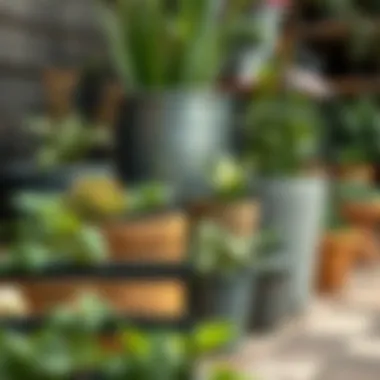
Proper drainage is the cornerstone of successful container gardening. Without it, plants can quickly succumb to the perils of overwatering, leading to root rot and other issues. A container with excellent drainage features tiny holes at the bottom that allow excess water to escape. These small details can spark joy in a gardener’s heart, knowing that they’re taking the right steps to avoid plant stress.
Plus, good drainage supports a healthy root system. Plants like tomatoes and herbs thrive better when their roots can breathe and avoid sitting in soggy soil. Investing in containers that offer solid drainage can save you time, energy, and heartache in the long run. When choosing a container, it’s essential to check for proper drainage capabilities; you want to ensure there’s no standing water after watering.
Aeration Benefits
Aeration is another crucial factor in container garden success. Containers that allow air to circulate around the roots promote a healthier growing environment. This is particularly vital for root crops like carrots or potatoes, which benefit substantially from loose, aerated soil.
Aeration not only helps with root development but also aids in moisture control. Plants specifically need oxygen to thrive. A good container design encourages this by providing breathable materials - for instance, porous clay pots. This is one of the features that could mean the difference between a thriving plant and a wilted one.
“In gardening, the right container is like having the right pair of shoes; without the right fit, you're bound to be uncomfortable.”
Durability and Longevity
When it comes to containers, not all are made equal. Durability is a feature that should never be overlooked. High-quality materials ensure that your containers withstand the rigors of outdoor elements, from harsh sunlight to heavy rain. It’s about investing in a well-crafted item that will last for years instead of cheap options that might crumble after a season or two.
Moreover, while aesthetics are essential, durability shouldn't take a back seat. Many attractive designs are often made from fragile materials that can chip or break, making them not worth the trouble. Be it plastic, clay, or metal, look for containers that are built to last. Your plants deserve a sturdy home that can support their growth over time.
Best Practices for Container Gardening
Container gardening offers a delightful way for those limited by space or wanting a touch of greenery to rejuvenate their environment. To cultivate a thriving container garden, embracing best practices is paramount. This includes understanding crucial elements like soil, watering, fertilization, and pest management that work together in a harmonious ecosystem. When these practices are followed, the plants can flourish, and the gardener can enjoy not only a beautiful display but also the satisfaction of nurturing life.
Soil Selection and Preparation
Choosing the right soil for your containers is more than just a matter of grabbing any bag off the shelf. Ideally, you want a quality potting mix designed specifically for container gardening. These mixes usually contain a blend of organic matter, perlite, and vermiculite—ingredients that promote drainage and aeration.
When preparing your soil, start with these steps:
- Moisten the Mix: Adding water to the dry soil can help the components blend better and make planting easier.
- Enrich Accordingly: Depending on what you aim to grow, mixing in some slow-release fertilizers or organic matter can give your plants that extra boost.
- Avoid Garden Soil: Garden soil tends to compact in containers, which impedes drainage and can suffocate roots.
A good mix paves the way for healthy root systems, ultimately leading to robust growth.
Watering Techniques
Watering seems simple enough, but it’s one of the biggest hurdles for budding container gardeners. The amount and frequency of watering can vary depending on the plant type and the climate. Here’s some guidance:
- Check Moisture: Stick a finger an inch into the soil. If it feels dry, it’s time to water.
- Water Deeply: Ensure water soaks through the bottom of the container; this encourages roots to grow deeper.
- Use the Right Tools: A watering can or hose with a fine nozzle reduces splash, helping to prevent soil erosion.
Be mindful of the signs of overwatering; yellowing leaves or mold on the soil surface can indicate too much moisture.
Fertilization Strategies
Nourishing your plants is crucial, given that containers have limited nutrients. You need to be strategic in your fertilization approaches:
- Timing is Everything: Fertilizing just as the plant begins its growth phase can lead to optimal results.
- Balanced Fertilizers: Look for a balanced fertilizer, like a 10-10-10 mix, which provides equal parts of nitrogen, phosphorus, and potassium.
- Liquid Fertilizers: Consider using diluted liquid fertilizers every few weeks during the growing season. These are more readily absorbed and can quickly rectify nutrient deficiencies.
Remember to read the instructions carefully. Too much of a good thing can do more harm than good.
Pest and Disease Management
Even the healthiest containers can fall victim to pests or diseases. Taking proactive steps is essential in keeping your plants healthy:
- Regular Inspections: Look underneath leaves and in the soil for signs of pest infestation.
- Preventive Measures: Keep your area tidy and remove any dead or decaying plant matter that can attract pests.
- Natural Remedies: Neem oil or insecticidal soap can be effective against common pests without harming beneficial critters.
Adhering to these best practices equips the gardener with the tools needed for success. Whether growing herbs on a balcony or vibrant flowers on a patio, thoughtful and practical strategies ensure that container gardening is rewarding and sustainable.
"The secret to successful gardening lies not just in the care of the plants, but in the foundation you provide them."
By thoughtfully implementing these practices, your container garden can flourish, transforming any space into a lush green haven. For more detailed information, consider resources like Gardening Know How and National Gardening Association.
Finale
Container gardening is not just a trend; it embodies a lifestyle choice that resonates deeply with those who cherish the green touch of nature in their urban settings. With many homeowners and gardening enthusiasts now turning to smaller spaces to cultivate plants, the significance of the right containers cannot be overstated. Selecting the appropriate container is the backbone of container gardening success, influencing the plant's growth, health, and aesthetic appeal.
Synthesizing Container Gardening Insights
In synthesizing the insights we've discussed throughout this guide, it's evident that a multitude of factors must work together to create an effective container garden. Each type of container—from sturdy plastic to elegant clay—offers distinct benefits that can greatly affect your gardening experience. For instance, understanding how drainage capabilities, aeration benefits, and the overall durability of containers contribute to plant health can set the groundwork for fruitful harvests and bountiful blooms. The knowledge to choose wisely extends beyond mere aesthetics; it's about crafting an environment where plants can flourish. The art of container gardening is, at its core, a fine balance between science and creativity.
Furthermore, one shouldn't overlook the practicalities of container gardening, such as the implications of weight and mobility, which allow for a dynamic garden setup to suit ever-changing spaces. Be it a balcony, patio, or even indoor area, the adaptability of containers opens up gardening possibilities that weren't available before. As modern gardening evolves, these practicalities intertwine with the aesthetics, fostering lush spaces that reflect personal style.
Encouragement for Personal Exploration
As you embark on your container gardening journey, remember to explore and experiment with the containers that resonate with your personal style and gardening aspirations. Maybe you’ll opt for a rustic wooden planter to bring warmth to your terrace, or perhaps you’ll choose vibrant, colorful plastic pots that brighten up your balcony. Regardless of your choices, the key is to make the space your own.
Take advantage of the variety of resources available today—whether it’s local gardening clubs, online forums, or social media platforms like Reddit’s /r/gardening— to share experiences and seek advice. Find inspiration in the creative ways others have transformed their small spaces into thriving gardens.